


A quiet revolution is happening in Indian fashion. Heritage textiles, once reserved for special occasions, are now staples in youth wardrobes, thanks to modern designers who are giving them a fresh, contemporary edge.
A Modern Twist on Tradition
Look around any urban café or college
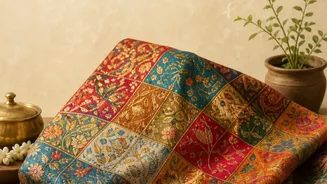
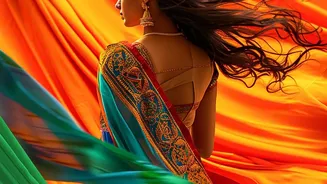
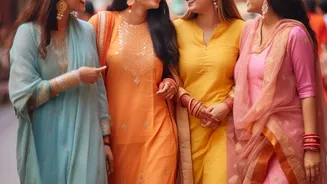
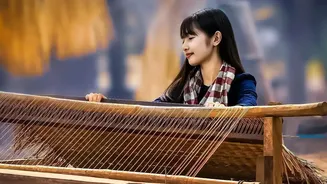
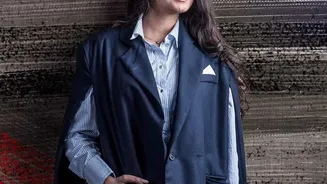
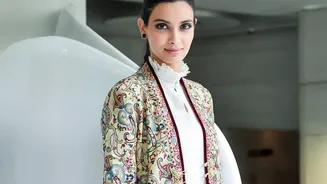
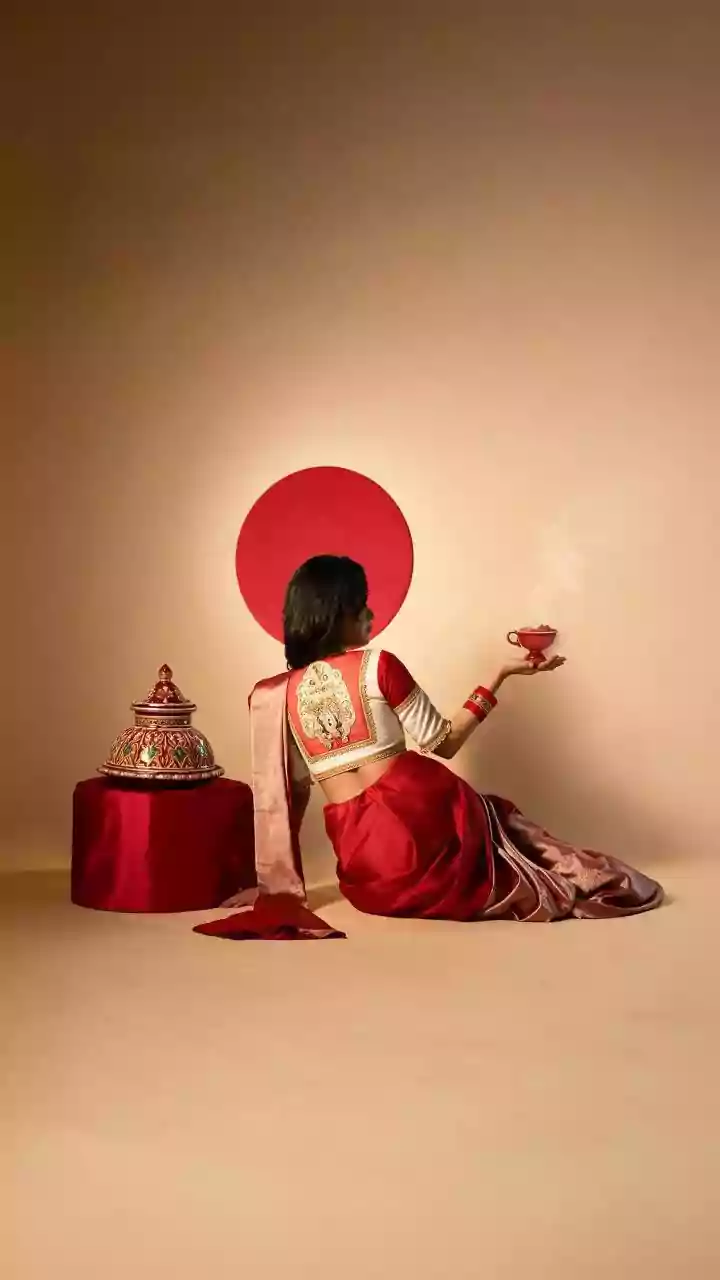
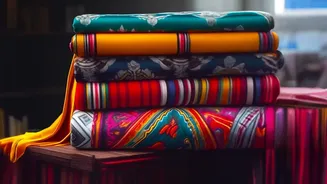
campus, and you'll see it: a hand-block printed shirt paired with jeans, a Banarasi brocade bomber jacket, or a Khadi kurta styled with sneakers. This isn't your grandmother’s occasion-wear anymore. Young Indians are embracing regional textiles as powerful tools for self-expression. Designers are taking note, moving these intricate fabrics from the realm of festive attire to everyday life. They are transforming classic weaves like Chanderi, Ikat, and Jamdani into structured blazers, tailored trousers, and flowing dresses, making heritage accessible and wearable for a new generation. This fusion preserves centuries-old artisan techniques while meeting the demands of a modern lifestyle.
The Designers Weaving New Narratives
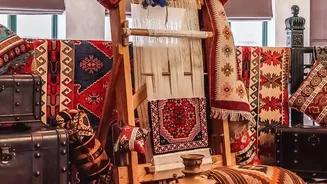
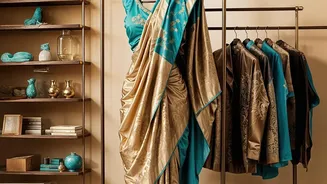
At the heart of this revival are visionary designers who see traditional textiles not as relics, but as a vibrant medium for contemporary stories. Names like Sabyasachi Mukherjee and Anita Dongre have long championed heritage crafts, but a new wave of labels is pushing the boundaries even further. Designers are collaborating directly with weaving clusters across the country, from Varanasi to Maheshwar, to create market-ready adaptations of handloom fabrics. Brands like Raw Mango and designers such as Samant Chauhan have been pivotal in reinterpreting handloom for modern wardrobes. Newer labels like Ashiva Shu are using Banarasi brocade for gender-fluid menswear, while others are upcycling vintage sarees into contemporary separates. These creators are not just making clothes; they are building a bridge between artisans and a global audience, ensuring that traditional skills are preserved and valued.
More Than Just an Aesthetic
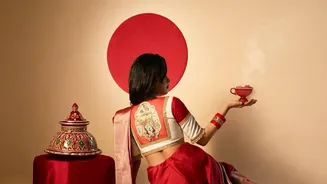
So, why this sudden surge in popularity? The answer lies in a major shift in consumer values, especially among Gen Z and millennials. Firstly, there's a growing rejection of fast fashion. Younger consumers are experiencing 'aesthetic fatigue' from mass-produced, temporary trends and are instead seeking out unique, story-driven pieces. Secondly, sustainability is no longer a niche concern but a core value. Handloom production has a low carbon footprint, uses natural fibres, and supports ethical labour practices, which resonates deeply with conscious buyers. Finally, there's a powerful cultural element. In a globalised world, wearing a piece of heritage fabric becomes a way to connect with one's roots and express individuality. Each motif, whether it's a peacock or a paisley, carries generations of meaning.
The Future is Handcrafted
This trend is more than just a fleeting moment; it signifies a deeper appreciation for authenticity and craftsmanship. The slight irregularities in a handwoven textile are not seen as flaws, but as the unique signature of the artisan who made it. As young consumers increasingly prioritise clothing that is meaningful, durable, and has a positive impact, the demand for handcrafted textiles is set to grow. The fusion of heritage techniques with modern silhouettes is not only ensuring the survival of India’s rich textile legacy but is also redefining what it means to be stylish in the 21st century. It’s a movement that celebrates the past by boldly reimagining it for the future.