



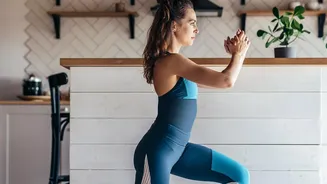
When you think of going for a walk, you probably picture a park or your neighbourhood streets. But what if the most convenient and effective place to get your steps in was right inside your own home? Here's what you need to know.
The Case for Staying In
The reality is, getting
outside for a daily walk isn't always possible. Inclement weather, safety concerns, tight schedules, or mobility issues can all stand in the way. Indoor walking removes these barriers. It provides a safe, controlled environment where the 'weather' is always perfect and you can exercise any time of day or night. It’s a free, low-impact exercise that's gentle on the joints, making it accessible for almost everyone, including beginners and older adults. The convenience factor is a major advantage; you can fit in short bursts of activity between meetings, while watching TV, or even while cooking dinner, making it easier to stay consistent.
Getting Started: The Basics
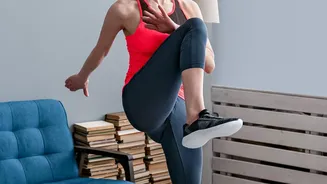
You don't need any special equipment to start walking indoors. The most basic form is simply marching in place. Stand tall with your feet hip-width apart and your shoulders relaxed. Lift one knee up towards your waist, then lower it and switch to the other leg. Swing your arms naturally as you go, just as you would when walking outside. You can do this in a small, clear space in your living room, bedroom, or hallway. If you have a clear path, you can also walk laps around your home. The goal is to find a rhythm and get your body moving. Even short, five-minute sessions throughout the day add up and provide real health benefits.
How to Make It an Effective Workout
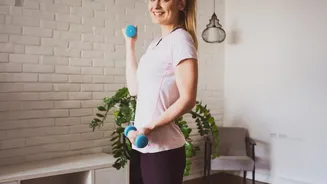
While simply moving is good, you can increase the intensity to maximise the benefits. To turn a simple march into a more robust workout, focus on increasing your heart rate. Pick up the pace, lift your knees higher, and pump your arms more vigorously. You can introduce variations like side steps, heel kicks, or front kicks to engage different muscle groups. Incorporating light hand weights can add an upper-body strength component. If you have stairs, walking up and down them is an excellent way to boost intensity and build leg strength. The key is to challenge yourself slightly, aiming for a pace where you can still talk but would struggle to sing.
Health Benefits Beyond Convenience
Indoor walking is far more than just a convenient alternative; it's a powerful tool for your health. Regular walking, whether indoors or out, improves cardiovascular health by getting your heart pumping more efficiently. This helps lower blood pressure and reduces the risk of heart disease and Type 2 diabetes. It's a weight-bearing exercise that helps maintain bone density and strengthens the muscles in your legs and core, which can improve balance and reduce the risk of falls. Beyond the physical, walking is a known mood booster. It can help relieve stress, ease symptoms of anxiety and depression, and improve sleep quality by encouraging the release of endorphins.
Keeping Your Mind Engaged
One of the biggest challenges of any indoor workout can be boredom. Unlike an outdoor walk with changing scenery, walking in place can become monotonous. To combat this, find ways to occupy your mind. Many people find success by walking while watching their favourite TV shows, listening to music, or catching up on podcasts or audiobooks. There are also thousands of free guided walking workouts available online that you can follow along with on a screen. These often include music and instructor cues, introducing different movements like side steps and arm reaches to keep the workout varied and engaging. This can make the time fly by and provide extra motivation.