
The Case for Renting: Flexibility First
For many urban professionals, students, and those on short-term assignments, renting furniture is the more logical choice. Life in cities like Mumbai, Bangalore, or Delhi often involves frequent relocations for jobs or better housing. Renting offers unmatched
flexibility; you can furnish a home for as long as you need without the commitment of ownership. This is ideal for those unsure about their long-term plans. The low upfront cost is a major draw, avoiding a significant initial cash outlay which can be especially helpful when you've just paid a hefty security deposit for a new flat. Furthermore, rental services often include free delivery, installation, and maintenance, saving you from the hassle and expense of repairs.
The Case for Buying: An Asset for Life
Buying furniture is a long-term investment. If you are settled in your career and location, or have purchased your own home, owning your furniture makes more financial sense over time. It offers the freedom of complete customization—you can choose the exact style, material, and design that reflects your personality, without being limited to a rental catalogue. While the initial cost is high, every piece you buy becomes an asset. You build equity and have the option to sell the furniture later if your needs change, recouping some of the cost. This path is best for those who value stability and see their furniture as a permanent part of their home.
The Cost Breakdown: By the Numbers
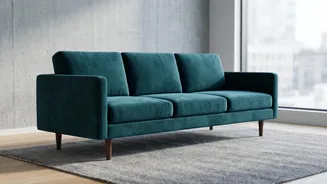
Let's analyze the costs with a basic furniture package for a 1BHK: a queen bed, a wardrobe, and a three-seater sofa. Buying a mid-range version of this package could cost approximately ₹70,000 - ₹90,000 upfront. Renting a similar package from popular platforms might cost around ₹3,000 - ₹4,000 per month, depending on the tenure. While renting has a lower entry barrier, the costs accumulate. After about 22 to 24 months, the total rent paid often equals the initial purchase price of the furniture. This is the crucial breakeven point. If you plan to stay in one place for less than two years, renting is almost always cheaper. If your timeline is longer, buying becomes the more economical option, especially when considering the potential resale value of owned furniture, which can effectively shorten the breakeven period to around 17-18 months.
The Hidden Costs You Shouldn't Ignore
The sticker price isn't the whole story. When you buy, you must account for delivery and assembly charges, which can add a few thousand rupees. Over time, you'll also bear the costs of maintenance, like professional sofa cleaning, which can cost ₹1,500-₹2,000 per session. The biggest hidden cost is depreciation; furniture can lose 40-60% of its value in the first couple of years. When it's time to move, you'll also pay for packers and movers, risking damage in transit. For renters, the primary hidden costs are the refundable security deposit and potential charges for damages beyond normal wear and tear. Some companies may also charge extra for delivery to higher floors or have penalties for early termination of the contract.
So, Who Should Rent and Who Should Buy?
The right choice depends entirely on your lifestyle, financial situation, and future plans. Renting is the ideal solution for: Students, expats, and individuals on temporary work contracts. People who are new to a city and are exploring different neighbourhoods. Anyone who enjoys frequently changing their home decor. Those who prioritize low upfront costs and convenience. Buying is better suited for: Homeowners and individuals with stable, long-term jobs. Families who are setting down roots in a city. People who want to build assets and have full control over their home's aesthetic. Those who plan to stay in one place for more than three years.