





A Cleaner, Faster Interface
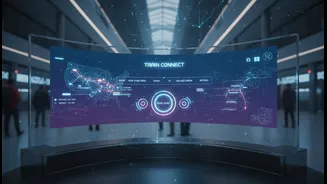
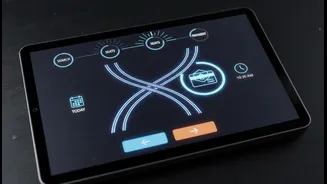
The most immediate change users will notice is the redesigned, clutter-free interface. The new layout is more intuitive, helping passengers find what they need without confusion. The goal was to reduce distractions like unnecessary pop-ups, flashing banners,
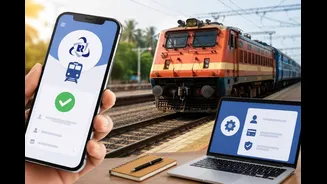
and repeated CAPTCHA verifications that previously interrupted the booking flow. This streamlined design not only makes the process less frustrating but also contributes to faster page loading times, a common grievance with the older version. The entire platform has been upgraded for better performance, ensuring a quicker journey from the homepage to your final booking confirmation.
Unified Search and Fare Calendar
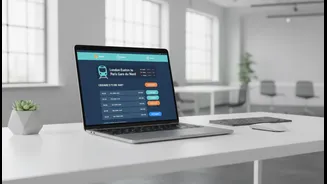
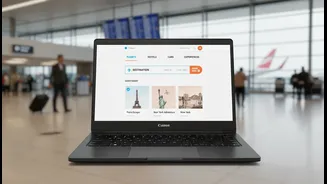
Searching for trains and availability has been significantly simplified. A key new feature is the unified seat availability display. Instead of needing to click into each travel class (Sleeper, 3A, 2A, etc.) one by one, users can now see the availability across all classes on a single screen. This makes it much easier to compare options and make a quick decision. Complementing this is the new fare calendar, a tool that lets you see ticket prices across different dates. This is particularly useful for flexible travelers who can adjust their plans to find a more economical fare, avoiding price hikes during peak seasons or festivals.
More Power and Preference to the Passenger
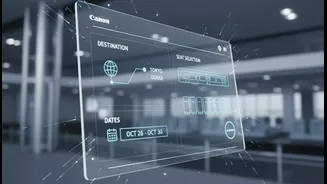
The revamped website gives users more control over their booking. For the first time, passengers can state their preferred seat or berth during the booking process, rather than being randomly assigned one. The site now features graphical seat maps and coach layouts, allowing you to see your options before you confirm, similar to booking a seat in a movie theatre. Furthermore, for frequent travelers, the ability to save passenger details will make future bookings much quicker and more convenient. The platform has also been made more accessible with support for multiple Indian languages, empowering more people to book their own tickets directly.
Enhanced Performance, Especially for Tatkal
Behind the scenes, the website’s infrastructure has received a massive boost. The new platform is built to handle a much higher volume of traffic, a critical upgrade for managing the infamous Tatkal booking rush. The system's capacity has been increased to process over 1.5 lakh ticket bookings per minute, a huge jump from the previous capacity of around 32,000. The Passenger Reservation System (PRS) backend has also been scaled up to handle over 40 lakh inquiries per minute. These improvements are designed to significantly reduce server crashes, payment failures, and other transaction issues that have long plagued users during high-demand periods.
Integrated Services and a Smoother Checkout
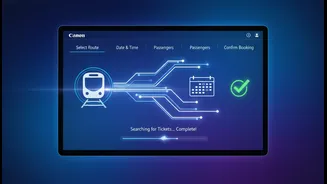
The new IRCTC portal also streamlines the process for various concessions. Services for Divyangjan passengers, students, and patients, which often required separate processes, are now integrated into the main platform. This consolidation makes it easier for eligible users to avail their benefits. The final step of the journey, payment, has also been improved. A streamlined checkout process with faster payment integration aims to reduce the chances of transaction failures, ensuring that after all the searching and selecting, your booking is confirmed without a last-minute hitch. With fewer steps and a more stable system, the path from selecting a train to holding a confirmed ticket is now simpler than ever before.