


The Soul of the Soil
For generations, the Kumhar communities of Rajasthan have been masters of clay. In villages like Molela, near Udaipur, artisans have historically crafted vibrant terracotta plaques depicting deities and folklore, an art form passed down through generations.
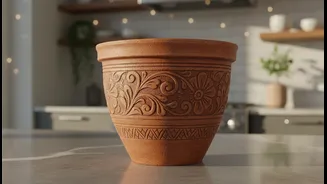
This is a craft deeply connected to the land, using specific local clays sourced from riverbanks, which are often mixed with organic materials like donkey dung to improve strength and flexibility. The traditional focus has been on votive tablets and ritual objects, each piece telling a story of faith and community life. While beautiful and culturally significant, these traditional forms have faced challenges in finding a place within contemporary urban lifestyles.
A Modern Design Perspective
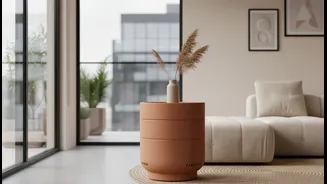
Enter a new generation of urban Indian designers and design-led platforms. Fuelled by a growing consumer desire for sustainable, handcrafted, and authentic products, they see immense potential in traditional crafts. For them, terracotta isn't just a rustic material; it's a versatile, eco-friendly medium perfect for the modern kitchen. These designers approach the craft not to replace it, but to reimagine its application. They ask critical questions: How can a traditional handi be adapted for a gas stove or an oven? How can the natural, earthy aesthetic of terracotta be translated into minimalist forms that appeal to a city dweller? Their goal is to bridge the gap between the artisan's workshop and the contemporary home.
The Art of Collaboration
The magic happens at the intersection of these two worlds. This is not a one-way street where designers simply hand down new patterns. It's a process of co-creation. Designers travel to artisan clusters in places like Jaipur and surrounding villages, conducting workshops and engaging in deep material exploration. They bring an understanding of market trends, quality consistency for global markets, and contemporary aesthetics. The artisans, in turn, bring their unparalleled mastery of the clay—a knowledge that cannot be learned from a textbook. They understand the material’s limits and possibilities, how it behaves during firing, and the secrets to its durability. This exchange is a dialogue; the designer might sketch a modern, stackable storage jar, and the artisan will advise on the precise thickness of the walls or the curve of the lip needed for a perfect seal.
Tradition Reimagined for Today's Kitchen
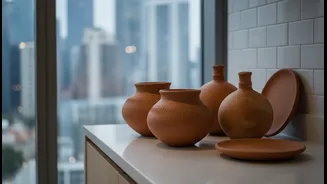
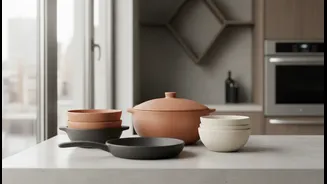
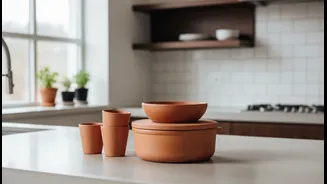
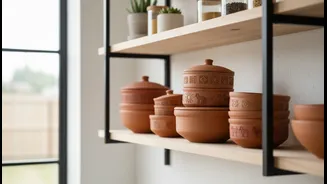
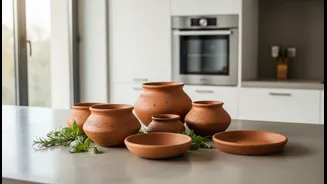
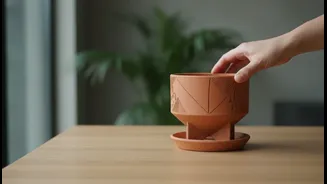
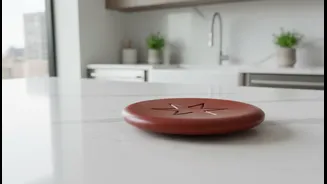
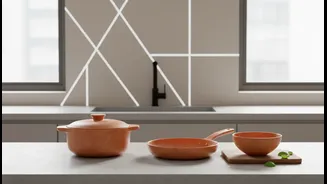
The results of these partnerships are transforming kitchens. Traditional matkas are redesigned as sleek, easy-to-carry water bottles. The humble curd pot gets a modern update with a minimalist finish and a perfectly fitting lid. We now see terracotta kadhais, biryani pots, and even baking dishes designed for modern cooking methods. These new products retain the essence of terracotta—its ability to cook food evenly and retain nutrients, its eco-friendly nature, and its unique earthy flavour. Yet, their refined forms, improved functionality, and contemporary finishes make them a desirable addition to any modern home, blending heritage with utility.
A Sustainable Future for Craft
This collaborative model offers a sustainable path forward. For artisans, it provides access to new and wider markets, ensuring fairer wages and a more stable livelihood. It allows them to continue their ancestral craft while adapting to changing tastes, ensuring their skills remain relevant and are passed on. For consumers, it offers a connection to authentic, handmade products with a story. Initiatives like Rivaayat and various social enterprises connect student designers and professionals directly with artisan communities to create demand chains. This fusion of traditional techniques with modern design thinking is not just about modernising cookware; it's about preserving a vital piece of India's cultural heritage for generations to come.