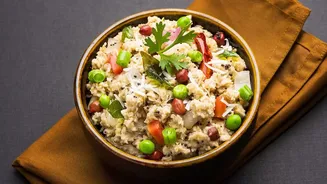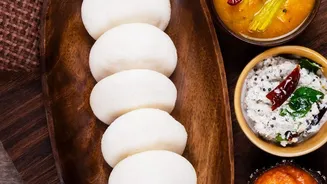








Suddenly, millets are everywhere. From ragi cookies and jowar puffs to ready-to-cook upma mixes, these ancient grains are staging a major comeback. But this isn't just a fleeting trend; it’s a deliberate shift by food brands big and small. Here’s why.
A Nationwide Push for a ‘Super Grain’
The most significant catalyst for the millet revival was the Indian government's successful campaign for the United Nations to declare 2023 the 'International Year of Millets'. This initiative sparked a nationwide conversation, elevating millets from a forgotten food to a celebrated 'super grain' or 'Shree Anna'. This campaign wasn't just about awareness; it aimed to boost production, create sustainable market opportunities, and reintroduce these nutritious grains into the public consciousness. The push has encouraged farmers to cultivate more millets and prompted food companies to innovate, confident that a supportive ecosystem was developing.
The Modern Quest for Healthier Foods
As consumers in India become more health-conscious, they are actively seeking out foods that are nutritious, natural, and functional. Millets fit this demand perfectly. They are naturally gluten-free, making them an excellent choice for those with sensitivities. Furthermore, they are packed with protein and dietary fibre, which helps with satiety and weight management. Many millet varieties also have a low glycemic index, meaning they release sugar into the bloodstream slowly, which is beneficial for managing blood sugar levels. This powerful nutritional profile makes millets an ideal ingredient for brands creating 'better-for-you' products, from breakfast cereals to snacks.
The Climate-Smart, Sustainable Choice
Beyond personal health, millets are incredibly beneficial for the planet. These are famously hardy crops, capable of thriving in arid conditions with minimal water and fewer inputs like fertilisers and pesticides compared to rice and wheat. For example, producing one kilogram of rice can require thousands of litres of water, while millets need significantly less. This resilience makes them a 'climate-smart' crop, crucial for ensuring food security in an era of environmental change. For food companies, sourcing millets aligns with growing consumer demand for sustainable products and helps build more resilient supply chains that are less vulnerable to extreme weather.
From Traditional Grain to Convenient Meal
For years, a key barrier to millet consumption was the perception that they were difficult or timeconsuming to cook. Today, food brands are solving that problem through innovation. Companies are transforming millets like jowar, bajra, and ragi into a vast array of convenient and appealing products. The market is now filled with milletbased breakfast cereals, pasta, noodles, readyto cook mixes for idli and dosa, and countless snacks like cookies and chips. Major brands like Tata Soulfull, ITC, and Britannia have all launched milletbased products, normalising them for the mainstream consumer and making it easier than ever to incorporate these nutritious grains into a modern, busy lifestyle.