







An Annual Crisis, A Familiar Response
Each year, as winter approaches, Delhi and the National Capital Region (NCR) brace for a steep decline in air quality. This November is no different. With the Air Quality Index (AQI) frequently breaching the 'Severe' and 'Severe Plus' categories, life
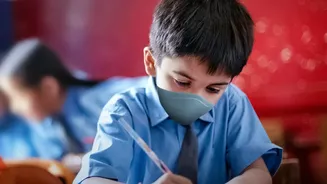
outdoors becomes a health hazard. Residents report itchy throats and eye irritation, but the response from authorities aims to protect the most vulnerable: children. Following the implementation of GRAP Stage III measures, the Delhi government has directed schools to shift to hybrid or online classes, particularly for younger students up to Class 5. This means that once again, playgrounds are empty, and the hum of classroom learning is replaced by the glow of a computer screen.
From Playgrounds to Pixels
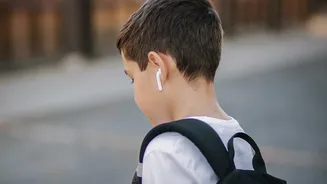
The decision to keep children indoors is a necessary evil to protect their developing lungs from toxic air. However, it forces a trade-off. The natural rhythm of a child's day—traveling to school, interacting with peers, playing outdoors—is abruptly replaced by a sedentary, isolated, and screen-heavy routine. This sudden shift is not just a logistical challenge for parents; it's a significant disruption to a child's developmental needs. Experts note that when children cannot go outside, they inevitably turn to digital devices for entertainment and connection. This restriction on physical movement and real-world engagement is a core concern, as development happens through exploration and physical problem-solving, experiences that screens cannot fully replicate.
The Brewing Storm of Anxiety
The link between this forced confinement and children's anxiety is multifaceted. Child psychologists point out that struggles with screen time are often a symptom rather than the root problem. A child may use a device to escape boredom or difficult feelings they can't yet name. When outdoor play—a natural mood booster and stress reliever—is removed, children lose a vital coping mechanism. This is compounded by increased screen time, which is linked to disrupted sleep, mood swings, and poor emotional regulation. Studies show high screen use can make it harder for children to manage frustration and boredom in real life. Furthermore, there's a growing awareness of 'eco-anxiety', where children feel stressed and worried about environmental problems like air pollution. A survey in Delhi-NCR found that nearly 70% of children felt distressed due to poor air quality, with 77% reporting feelings of anxiety, irritation, or fear.
What Health Experts Are Seeing
The impact is not just theoretical. Doctors and psychologists are witnessing the effects firsthand. Dr. Neeraj Kumar Gupta, Head of Pulmonology at Safdarjung Hospital, has noted that poor air quality can affect the mental development of children, with cognitive strength decreasing as the AQI rises. Research from NIMHANS has highlighted growing parental concern over their children's excessive technology use, which often interferes with sleep and daily routines. The physical effects of pollution—headaches, fatigue, and respiratory issues—can also lead to missed school days and a general feeling of being unwell, which contributes to psychological distress. Experts warn that prolonged exposure to particulate matter like PM2.5 doesn't just harm the lungs; it can enter the bloodstream and impact brain development, affecting learning, attention, and emotional regulation.
Navigating the Smog: A Parent's Guide
While parents can't control the city's air quality, they can take steps to mitigate the psychological impact of being stuck indoors. Psychologists advise creating structure and balance. Instead of just removing screens, parents should actively replace that time with appealing indoor activities like board games, creative projects, or family time. Maintaining a consistent routine for meals, schoolwork, and sleep is crucial. It's also important to model healthy behaviour by limiting personal screen use. Encouraging physical activity, even indoors through simple exercises or dance, can help manage restlessness. Most importantly, creating a space for open conversation allows children to express their fears and frustrations about the situation. For persistent issues, seeking professional support from a child counsellor can provide both parents and children with better coping tools.