





1. Master Monsoon Driving
Driving during the monsoon is not for the faint of heart. Before you even start your journey, get your vehicle checked. This means ensuring your tyres have adequate tread to prevent aquaplaning on wet roads, your brakes are responsive, and your headlights
and wipers are in perfect working order. On the road, slow down. Speed is your enemy on slick surfaces. Maintain a greater distance from the vehicle in front of you, as stopping distances increase dramatically in the rain. Avoid driving through large puddles or waterlogged streets; it's impossible to know their depth or what hazards (like open manholes) lie beneath. If your car stalls in water, do not try to restart it. This can cause severe engine damage. It's safer to abandon the vehicle and get to higher ground.
2. Prioritise Health and Hygiene
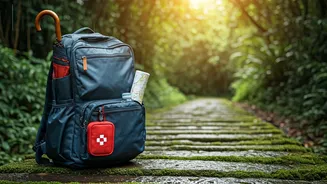
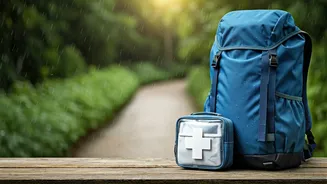
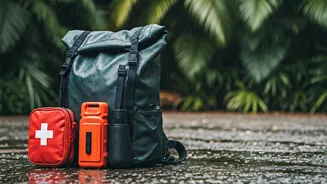
The monsoon is prime time for water-borne and vector-borne diseases. Your biggest health defence is caution. Drink only bottled, boiled, or properly purified water. Avoid street food, especially items that have been sitting out or are uncooked, like chutneys and salads. Stick to freshly cooked, hot meals. Mosquitoes carrying dengue, malaria, and chikungunya are rampant. Use a strong insect repellent, especially during dawn and dusk. Wear long-sleeved clothing and consider using mosquito nets at night if your accommodation isn't well-screened. Carry a basic first-aid kit with antiseptic wipes, bandages, pain relievers, and medication for stomach upsets. Being prepared can handle minor issues without derailing your holiday.
3. Pack Like a Pro
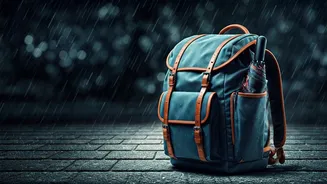
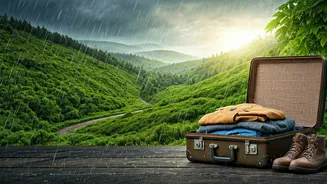
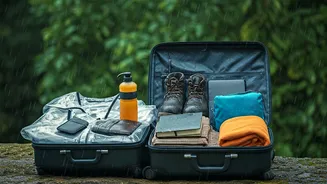
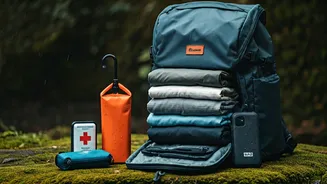
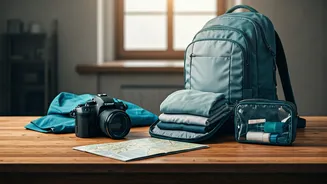
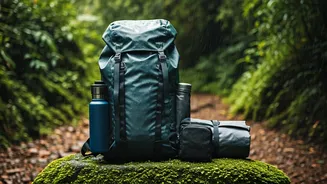
Your packing strategy can make or break a monsoon trip. Forget heavy cottons and denim; they take forever to dry and become heavy when wet. Instead, opt for lightweight, synthetic fabrics like polyester and nylon that dry quickly. Pack an extra pair of clothes—you will get drenched. A good quality, lightweight waterproof jacket is non-negotiable. To protect your belongings, invest in waterproof bags or use dry bags inside your main luggage for electronics and important documents. Even simple zip-lock bags can be lifesavers for your phone, wallet, and passport. A small, foldable umbrella is always a good idea for short dashes in the rain.
4. Choose Your Footwear Wisely
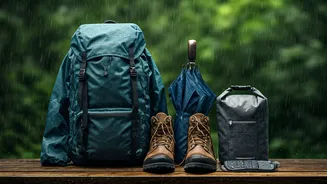
The wrong footwear is a recipe for disaster. Leather shoes will be ruined, and closed-toe canvas shoes will become soggy and smelly. Your best bet is rubber sandals, floaters, or Crocs-style footwear with good grip. They are waterproof, easy to clean, and will prevent you from slipping on mossy stones or slick pavements. Avoid flip-flops for walking long distances, as they offer poor support and can easily lead to slips and falls. If you plan on doing some light trekking, ensure you have waterproof trekking shoes with excellent traction. Always carry an extra pair of footwear.
5. Check Your Destination's Status
Not all destinations are created equal during the monsoon. While the Western Ghats are stunning, they are also prone to landslides. Coastal areas can experience very rough seas and high tides. Before you book and before you leave, do your research. Check the local weather forecast and be aware of any warnings issued by authorities. Follow local news for updates on road closures or potential natural hazards. It's often wiser to choose destinations that are known to be relatively safe during the rainy season. Inform a family member or friend about your detailed itinerary and keep them updated on your whereabouts.