




The Philosophy: Lightweight and Multi-Use
The 7kg limit is the most significant constraint, more so than the bag's volume. This means every single item must justify its weight. Before you pack anything, adopt a minimalist mindset focused on two principles: lightweight materials and multi-functionality.
Your heaviest items, like a jacket and shoes, should be worn on the plane. The goal is to build a small, versatile collection of items that work together in multiple combinations. This isn't about packing for every possible scenario; it's about packing a core set of gear that can adapt to changing conditions. Forget 'just in case' items and focus on what you can layer or repurpose.
Your Outer Shell: The Non-Negotiable Rain Jacket
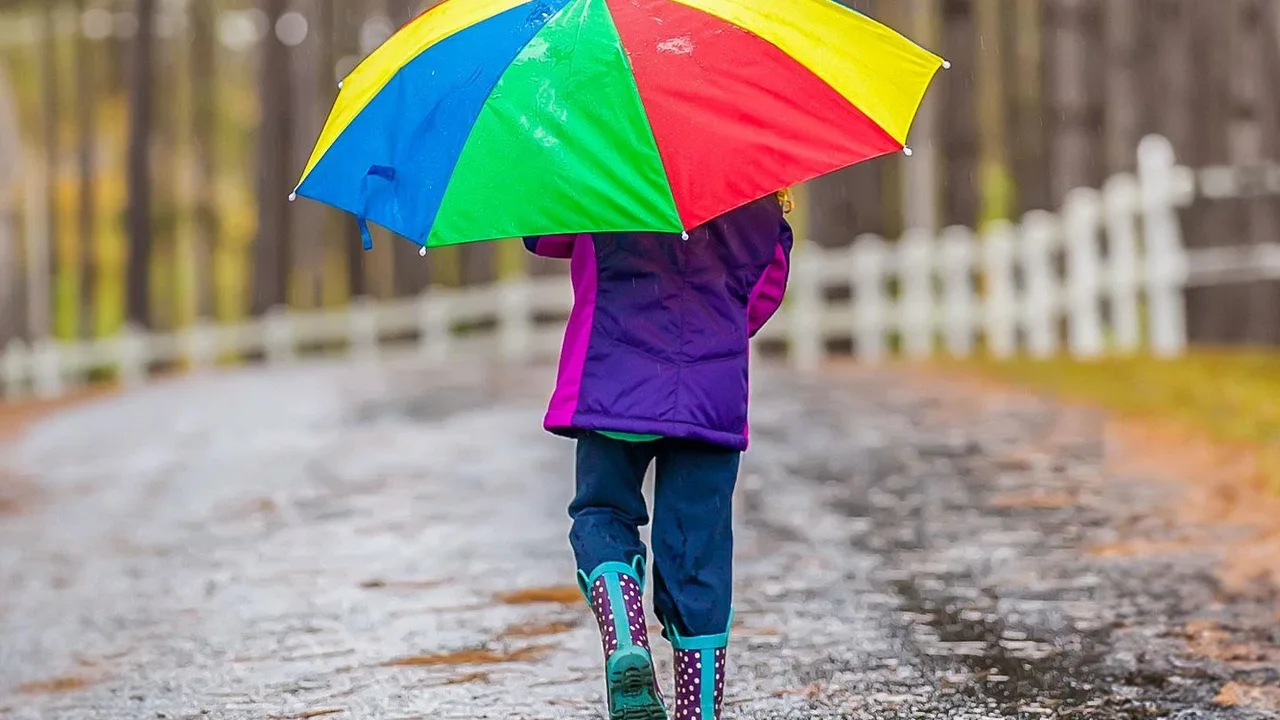
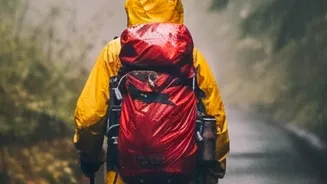
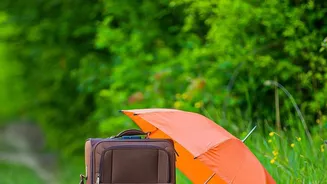
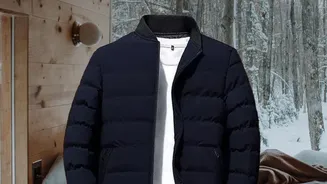
Your most critical piece of gear is a high-quality, lightweight, and genuinely waterproof jacket. Forget bulky, insulated coats. Look for a packable 'hardshell' jacket. These are designed to be a thin but impenetrable barrier against wind and rain. Materials like Gore-Tex are excellent but can be pricey; many brands now offer proprietary waterproof-breathable fabrics that are just as effective and lightweight. A good rain jacket will weigh between 250-400 grams, not a full kilo. It should also be breathable to prevent you from getting clammy as you walk. This single item is more effective and lighter than carrying an umbrella, which can be unreliable in windy conditions.
Mastering the Art of Layering
Instead of packing thick, heavy jumpers, think in terms of layers. A classic three-part system is most effective: a base layer, a mid-layer, and your outer shell. The base layer sits against your skin to wick moisture away. The mid-layer provides insulation and traps warmth. Your outer shell, the raincoat, protects you from the elements. For a seven-day trip, this could look like two base-layer tops (e.g., merino wool t-shirts), one warmer mid-layer (like a lightweight fleece or a thin down vest), and your rain jacket. This system is lighter than a single heavy coat and gives you multiple options: wear just the base layer on a warm day, add the fleece if it gets cool, or combine all three in cold, rainy weather.
Choose Your Fabrics Wisely
Fabric choice is crucial for both weight and performance in wet conditions. Cotton is your enemy; it absorbs moisture, gets heavy, and takes days to dry in high humidity. Prioritise synthetics like polyester and nylon, or natural performance fibres like merino wool. These fabrics are quick-drying, meaning you can wash them in a hotel sink and have them ready to wear the next morning. Merino wool is particularly brilliant for travel as it regulates temperature and naturally resists odour, allowing you to wear it multiple times without washing. A wardrobe of two or three merino or synthetic tops weighs far less and is more practical than seven cotton shirts.
Bottoms and Footwear: The Foundation
For trousers, the same fabric rules apply. Pack one or two pairs of quick-dry synthetic travel pants. They are comfortable, lightweight, and if they get splashed, they'll dry quickly. Avoid jeans at all costs, as they are heavy and take forever to dry. For footwear, plan on bringing two pairs and wear the heavier one on the plane. Your first pair should be waterproof or highly water-resistant walking shoes or boots. Your second pair should be very lightweight, such as water-friendly sandals or slip-on shoes for relaxing in the evening. Closed shoes can trap water and become unusable for days, so styles with good drainage and grip are ideal.
Packing Techniques to Maximise Space
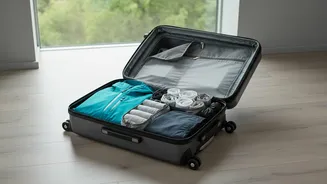
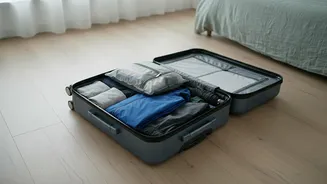
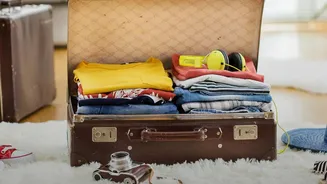
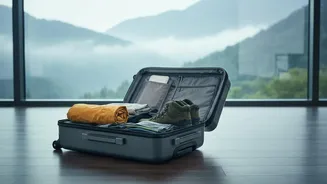
How you pack is almost as important as what you pack. Compression packing cubes are a game-changer. These zippered pouches allow you to squeeze the air out of your clothes, significantly reducing their volume. While they add a small amount of weight (a set is usually around 300g), the organisational and space-saving benefits are immense. Roll your clothes tightly before placing them in the cubes. This minimises wrinkles and allows you to fit more in. For electronics and important documents, use waterproof pouches or simple ziplock bags for an extra layer of protection against unexpected downpours.