





Why 'Clean-Air' Holidays are Trending
For many city dwellers, especially in northern India, checking the Air Quality Index (AQI) has become a daily ritual, dictating everything from morning walks to whether windows stay shut. This reality has fuelled a desire for 'recovery holidays'—trips
designed not just for sightseeing, but for physical and mental rejuvenation. Travellers are actively seeking destinations where they can breathe deeply and disconnect. Studies show that spending time in nature can lower stress hormones, improve mood, and even boost the immune system. This has given rise to a movement where the primary attraction of a destination is its pristine environment, offering a genuine escape from urban pollution and noise.
The Himalayan Foothills: A Breath of Fresh Air
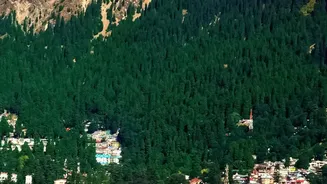
The Himalayan states of Uttarakhand and Himachal Pradesh are often the first choice for a quick escape. Destinations like Kasauli, Mukteshwar, and Lansdowne offer dense pine and oak forests that act as natural air purifiers. Lansdowne, as a military cantonment, has strict rules against deforestation, preserving its clean environment. Further afield, places like Dharamshala and McLeod Ganj are nestled amidst cedar forests, with mountain winds preventing pollution from settling. For those seeking deeper tranquillity, the Tirthan Valley offers quiet riverside homestays on the edge of the Great Himalayan National Park, a UNESCO World Heritage Site. These locations provide structured retreats including yoga, meditation, and nature-based healing rituals.
The Western Ghats: Green Sanctuaries of the South
Down south, the Western Ghats offer a year-round green canopy. Coorg in Karnataka and Wayanad in Kerala are particularly popular, known for their misty hills, spice plantations, and sprawling coffee estates. These regions consistently report good air quality. The elevation and rich biodiversity contribute to a refreshing atmosphere. Travellers can find a range of eco-friendly accommodations, from luxury resorts built with sustainable materials to intimate homestays. Many properties, like the Vythiri Village Resort in Wayanad, focus on water conservation and organic farming, allowing guests to immerse themselves in a truly green lifestyle.
The Untouched Northeast: India's Cleanest Corner
For the ultimate clean-air experience, the northeastern states are unmatched. Cities like Aizawl in Mizoram and Gangtok in Sikkim regularly post some of the lowest AQI readings in the country. Shillong, often called the 'Scotland of the East', benefits from high elevation and dense forest cover. This region is becoming a hub for eco-tourism, with an emphasis on preserving its natural beauty. Visitors can explore unique attractions like Meghalaya's living root bridges or the vibrant kiwi and cardamom gardens of Anjaw in Arunachal Pradesh, all while enjoying some of the freshest air India has to offer.
Forest Stays and Agri-Tourism: Immersive Nature Experiences
Beyond traditional hill stations, a growing trend is to stay in or near protected forests and farms. Eco-lodges on the fringes of national parks, such as Jim Corbett and Kanha, offer wildlife safaris combined with peaceful, green surroundings. Another emerging concept is agri-tourism, where travellers stay on working farms. These farmstays, like those found near Ooty and in parts of Kerala, provide an opportunity to learn about organic farming, reconnect with the source of food, and enjoy a rustic, screenfree holiday. These stays offer an authentic way to experience rural life and contribute to sustainable local economies.