



What Exactly Is Nordic Walking?
At its heart, Nordic walking is an enhanced walking technique that uses specially designed poles to work your upper body as well as your legs. Originating in Finland as an off-season training method for cross-country skiers, it's now a popular fitness
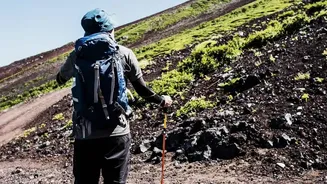
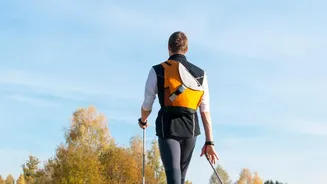
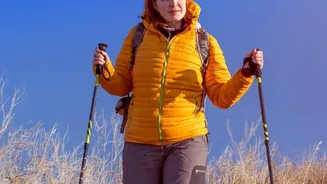
activity worldwide for all ages. The key is the technique: you use the poles to propel yourself forward, engaging your arms, shoulders, and core muscles in a way that regular walking doesn't. This creates a rhythmic, flowing movement that turns a simple stroll into a surprisingly effective, total-body workout.
The Full-Body Fitness Advantage
The benefits of picking up the poles are significant. Studies and experts note that Nordic walking can burn up to 46% more calories than regular walking. It engages up to 90% of your body's muscles, toning the arms, chest, shoulders, and back while also strengthening your legs and core. Despite this higher intensity, it remains a low-impact activity. The poles help to distribute your weight, reducing stress on your knees, hips, and ankles, which makes it a fantastic option for people with joint concerns or those looking for a gentler alternative to running. It's a cardiovascular workout that improves heart health and endurance without the jarring impact of other exercises.
The Shift to an Everyday Activity
Once seen as a niche activity, perhaps for older adults or serious hikers, Nordic walking is now attracting a much broader and younger audience. Its appeal lies in its accessibility. It can be done almost anywhere—city parks, suburban streets, or countryside trails. It’s suitable for nearly every fitness level, from beginners looking to get active to athletes seeking cross-training benefits. The social aspect is another driver of its popularity, with clubs and groups making it a friendly and motivating way to exercise. This shift positions it less as a specialized sport and more as a practical, everyday tool for better health that fits easily into modern life.
Keeping the Equipment Wonderfully Simple
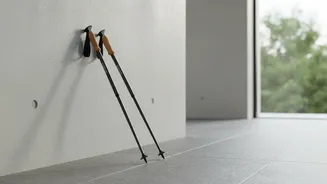
The beauty of Nordic walking is its minimalism. You don't need a gym membership or expensive, high-tech apparel. The only essential gear is a pair of Nordic walking poles. It's crucial to note these are different from trekking or hiking poles. Nordic poles are designed for propulsion and have a specific glove-like strap system that allows for the correct 'push and release' technique. Trekking poles are designed for stability and support. Beyond the poles, all you need are comfortable clothes and a good pair of walking shoes or trainers—items most people already own. This low barrier to entry is a key part of its growing appeal.
How to Get Started
Beginning your Nordic walking journey is straightforward. The basic technique involves walking with an opposite arm and leg motion, just like you normally would. The key difference is planting the pole behind you at an angle and pushing off to propel yourself forward. Your arms should swing from the shoulder, not the elbow, and you should maintain an upright posture. Many local community centres and fitness groups offer introductory sessions, which are a great way to learn the proper form. There are also countless video tutorials online that can guide you through the first steps. The most important thing is to start, even if it’s just for a short walk around your neighbourhood.