




An Active Monsoon Surge
The IMD has forecast an active monsoon week across Western India, with vigorous conditions expected to persist. A weather system, described as a deep depression moving west-northwestwards, is influencing rainfall patterns across central and western parts
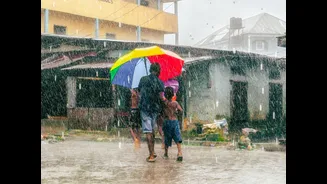
of the country. This system is expected to bring widespread showers, thunderstorms, and gusty winds, particularly affecting coastal and ghat regions. The weather office has specifically warned that these active conditions will continue to drench Maharashtra and keep Gujarat on alert for increased rainfall intensity later this week. Travellers should anticipate that this is not just a passing shower but a significant weather event that could impact travel plans through the weekend.
Region-Wise Alert Breakdown
The IMD has issued specific warnings for several popular travel destinations. The Konkan coast and Goa are predicted to see widespread rain, with forecasts for heavy to very heavy showers continuing until at least July 31st. Central Maharashtra, especially the ghat areas, is also on high alert for heavy rainfall. For Gujarat, districts including Ahmedabad, Surat, Vadodara, and Valsad are under an alert for a moderate to high risk of flash floods. In Maharashtra, the alert extends to key areas like Mumbai, Thane, Palghar, Raigad, Ratnagiri, Pune, Kolhapur, and Satara. Even parts of the Vidarbha region, such as Chandrapur and Gadchiroli, have red alerts issued, predicting extremely heavy rain until July 31st. This widespread activity means almost all major travel corridors in the west will be affected.
Understanding the Colour Codes
The IMD uses a colour-coded system to communicate the severity of weather warnings. A 'Yellow' alert means you should be aware, as conditions could worsen and cause some travel disruption. An 'Orange' alert signals a need to be prepared; heavy to very heavy rain is likely, and disruptions like waterlogging, traffic jams, and transport delays are possible. A 'Red' alert is the most serious, advising you to take action. It is issued for extremely heavy rainfall that poses a significant risk to life and property, often leading to major flooding and widespread travel disruption. When a red alert is active, authorities may advise against all non-essential travel.
Key Dangers for Travellers
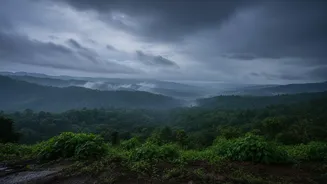
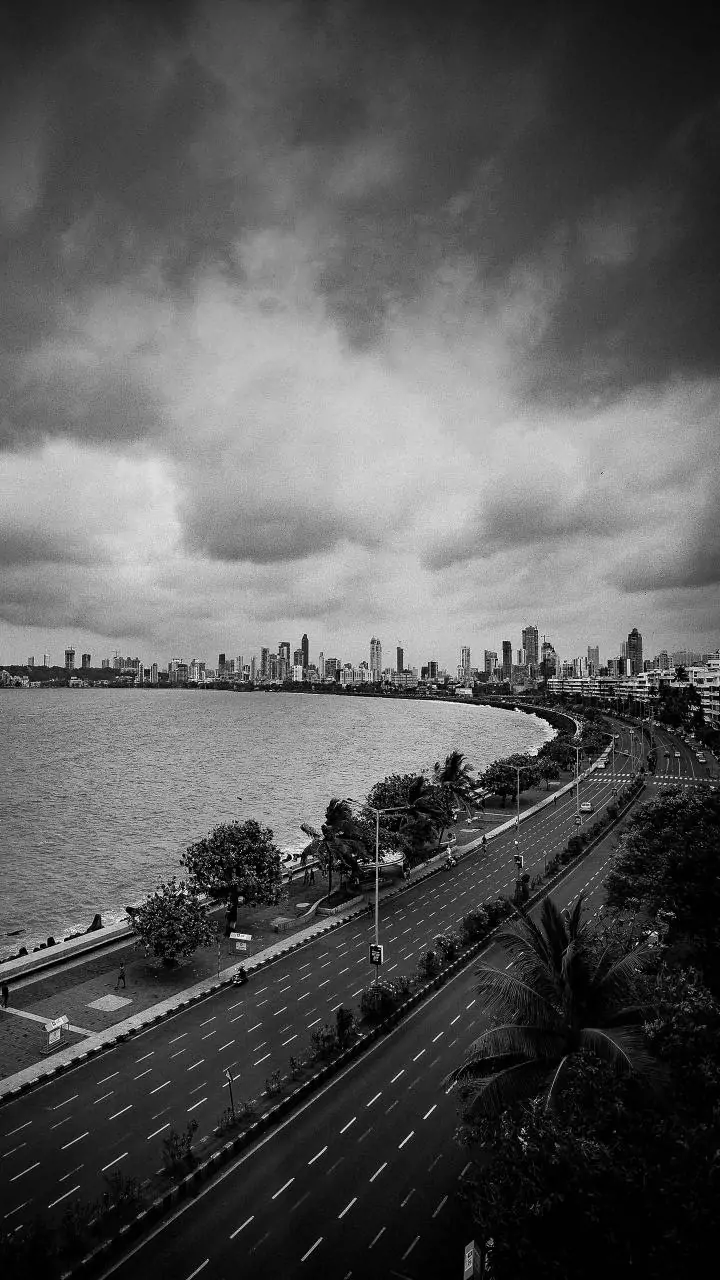
Heavy monsoon rain brings more than just inconvenience. The primary risks for travellers include flash floods, landslides, and severe waterlogging. The ghat sections of the Western Ghats, including popular spots like Lonavala and Khandala, are particularly vulnerable to landslides, which can block major roads and expressways. Low-lying areas in cities like Mumbai are prone to urban flooding, which can bring traffic to a standstill. Rivers and streams can swell rapidly, making low-lying bridges and causeways dangerous to cross. Authorities have warned that the saturated soil increases the risk of surface runoff and flash floods with little warning. Strong winds can also damage vulnerable structures and make driving hazardous.
Essential Travel Safety Checklist
If travel is unavoidable, prioritising safety is non-negotiable. Before you leave, check the latest district-level IMD forecast and road status for your entire route. Avoid driving at night in hilly or remote areas where visibility is poor and the risk of falling debris is higher. Never attempt to drive through waterlogged streets or cross overflowing rivers. Inform a friend or family member of your itinerary and expected arrival time. Pack an emergency kit containing essentials like a first-aid kit, torch, power bank, dry snacks, and extra drinking water. Keep your travel plans flexible and be prepared for significant delays or even cancellations. Finally, always heed instructions from local authorities. A delayed holiday is always better than a risky journey.