







Behind the Startling Comparison
A recent wave of analysis from academics and industry watchers has put a number on the enormous energy appetite of artificial intelligence. The headline-grabbing comparison to Denmark is not an exaggeration but a data-driven conclusion. The country of Denmark emits
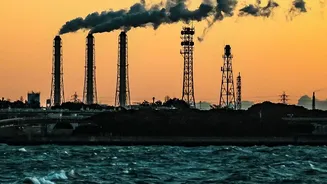
roughly 30-35 million metric tons of carbon dioxide per year. Researchers now estimate that the global network of data centres powering generative AI technologies is responsible for a similar output. This figure accounts for the immense electricity required to both train these complex models and run them for users, a process known as 'inference'. It's a stark metric that helps contextualise the abstract concept of digital energy consumption into a real-world, nation-sized carbon footprint.
Why Is AI So Power-Hungry?
The core of the issue lies in the computational intensity of modern AI. Training a large language model (LLM) like those behind popular chatbots is an exceptionally energy-intensive process. It involves feeding a model trillions of data points and having it adjust its internal parameters billions of times. This requires thousands of high-powered graphics processing units (GPUs) running continuously for weeks or even months. Think of it like forging a sword: an immense amount of heat and energy is needed upfront to create the tool. Once the model is trained, using it (inference) requires less energy per query, but the sheer volume of global users making billions of queries daily adds up to a constant, massive power draw. This two-part energy demand is what separates AI from traditional computing and drives its huge environmental impact.
The Global Data Centre Boom
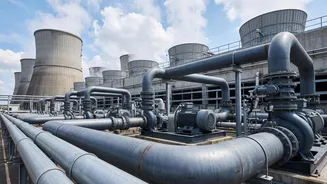
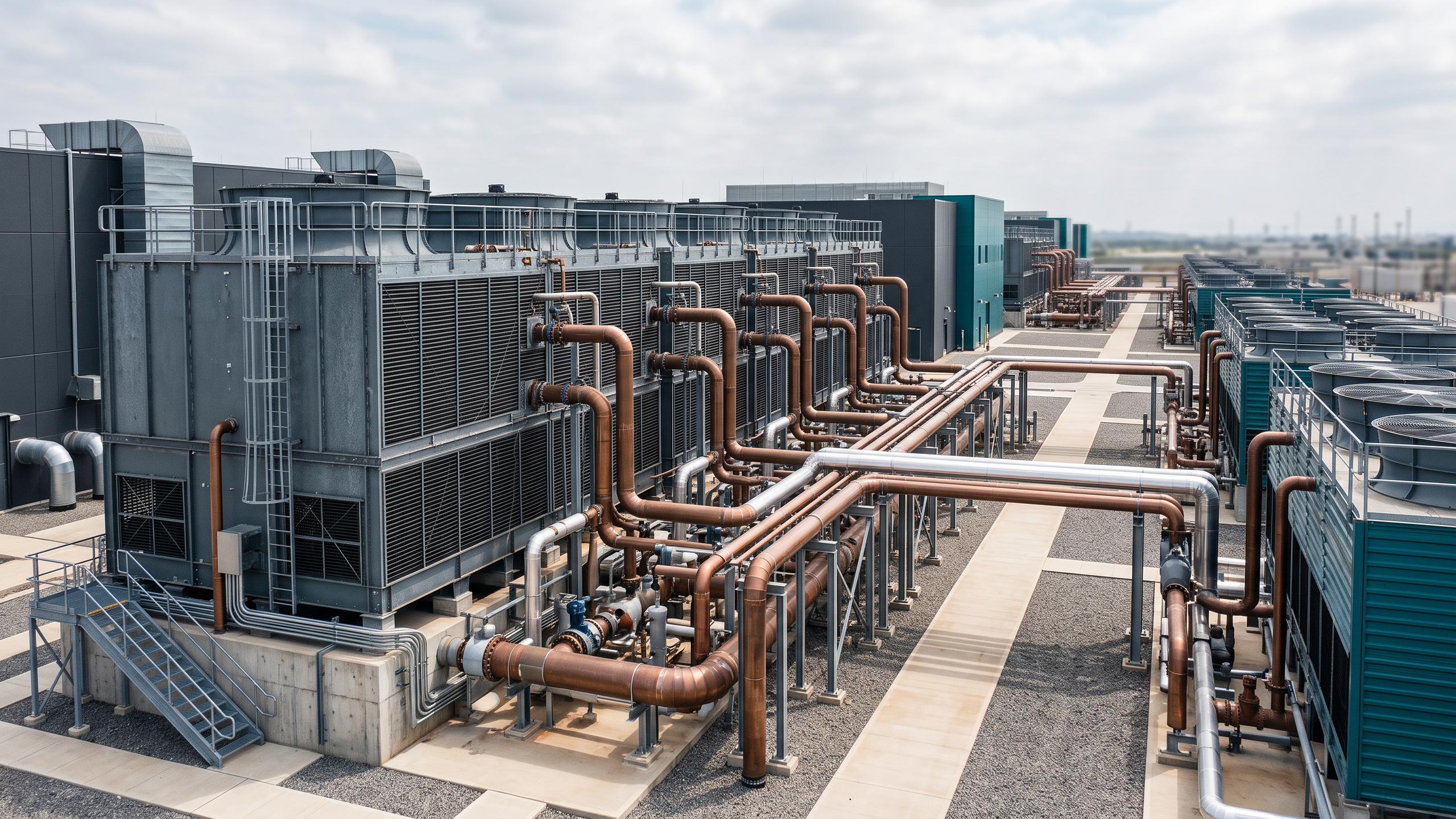
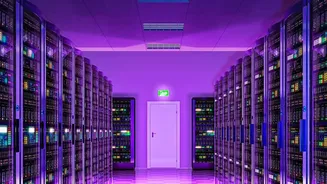
To meet this demand, technology giants are in the midst of a global data centre construction spree. These are not your average office server rooms; they are colossal, factory-sized buildings packed with tens of thousands of servers that consume as much electricity as a small city. The International Energy Agency has repeatedly flagged the soaring energy use of data centres, and the AI boom is pouring fuel on the fire. Projections show that the electricity consumption of data centres, which currently accounts for about 1-2% of global demand, could double in the coming years, with AI being the primary driver. This creates immense pressure on national power grids and also raises concerns about water usage, as vast quantities of water are often needed for cooling these server farms.
A Ticking Carbon Clock
If today's AI emissions are comparable to Denmark, the future trajectory is even more concerning. The adoption of AI is still in its early stages. As more businesses, industries, and everyday applications integrate sophisticated AI, the demand for computational power is set to grow exponentially. Some projections suggest that without significant efficiency gains, the AI sector alone could be responsible for emissions comparable to the entire airline industry within a decade. This places the tech industry at a crossroads, where its greatest innovation is also becoming one of its largest environmental liabilities. The challenge is no longer just about building more powerful models, but about figuring out how to do so without triggering an unsustainable surge in global energy consumption.
The Search for Greener AI
In response, the race for 'green AI' is intensifying. Major tech companies, who are also the biggest investors in AI, are acutely aware of the problem. They are making significant investments in renewable energy, aiming to power their data centres with wind, solar, and other clean sources. However, simply buying renewable energy credits is not enough. The focus is also shifting to efficiency at every level. This includes designing more energy-efficient chips specifically for AI tasks, developing new cooling technologies that use less water and power, and pioneering software techniques to build smaller, less computationally demanding AI models that can perform tasks effectively without the massive energy overhead. This push for efficiency is becoming a critical area of competition and innovation within the industry.