

From Hints to Hard Evidence
For decades, missions have gathered clues about water on the Moon. India’s own Chandrayaan-1, launched in 2008, used a NASA instrument to detect signs of water molecules. Later, missions like NASA's LCROSS slammed a projectile into a dark crater and analyzed
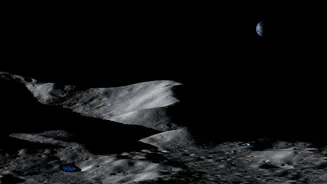
the resulting plume, finding evidence of water ice grains. More recently, data has even suggested water molecules exist on the Moon's sunlit surfaces, not just in the cold, permanently shadowed regions (PSRs) near the poles. However, all of these findings are based on remote sensing—analyzing light and other signals from afar. They strongly suggest water is there, but to truly confirm its presence, quantity, and form, scientists need to get their hands on a physical sample.
Chandrayaan-4: A Sample Return Mission
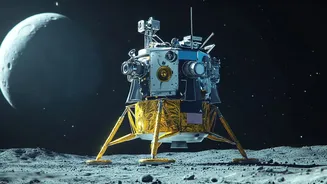
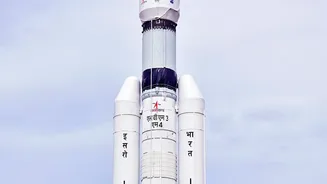
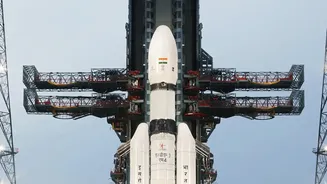
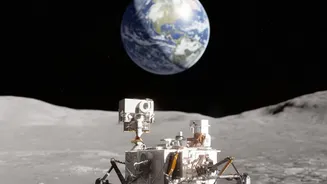
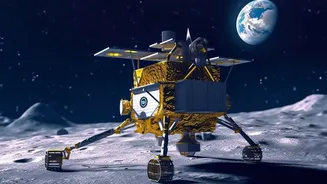
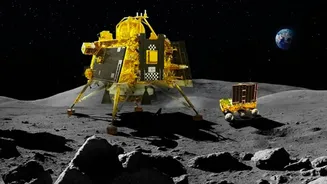
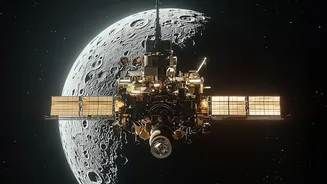
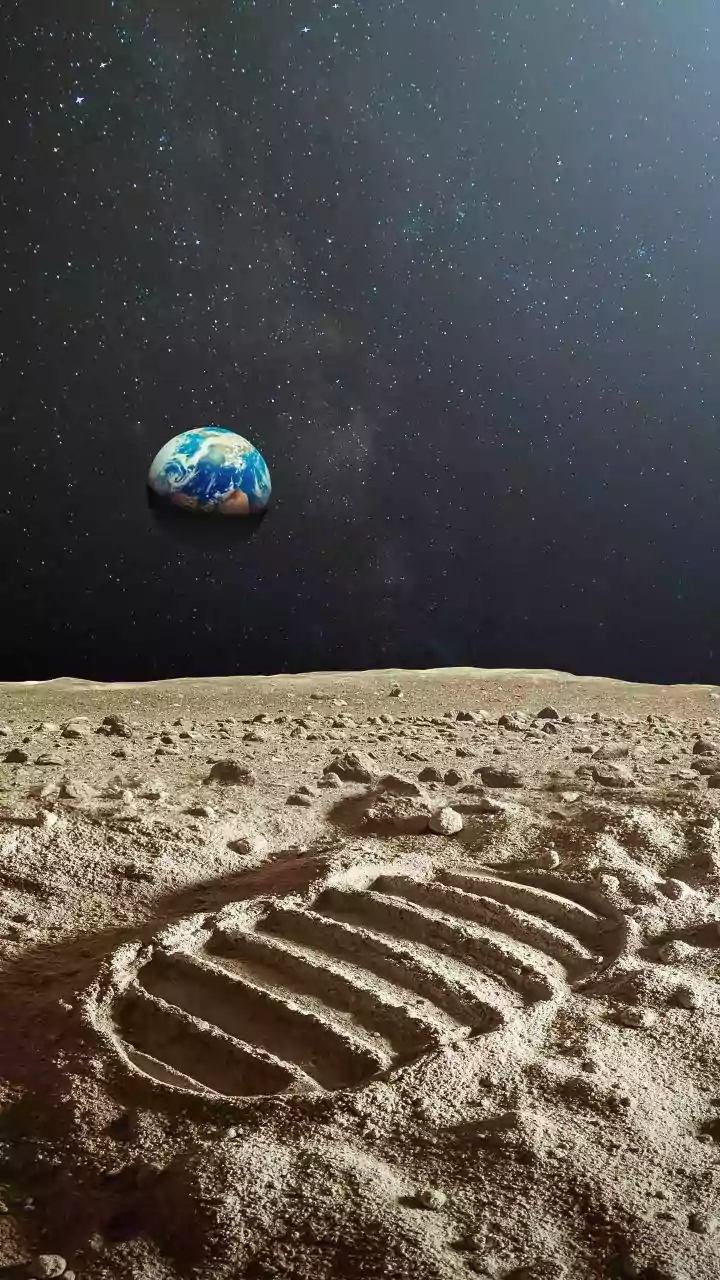
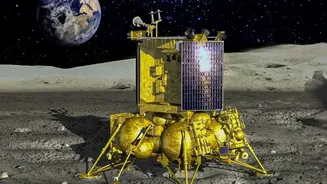
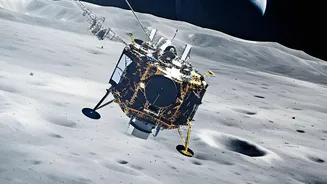
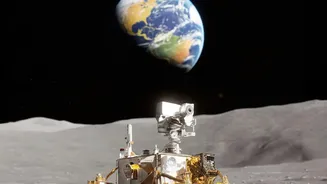
Enter Chandrayaan-4, a mission designed to do what no Indian mission has done before: collect lunar soil and rock, and bring it safely back home. Planned for launch around 2028, this complex mission is India’s next giant leap in lunar exploration, building on the historic success of Chandrayaan-3's landing. The primary goal is to land near the lunar south pole, a region believed to be rich in water ice, and perform the intricate task of collecting, storing, and launching samples back to Earth. Success would make India only the fourth country to ever accomplish a lunar sample return, placing it in an elite group of spacefaring nations.
The 'How': Robotics and Precision Engineering
The process of collecting a pristine sample is a major engineering challenge. Chandrayaan-4's lander will be equipped with a sophisticated robotic arm to scoop up surface material, or regolith. More importantly, it will also feature a drilling mechanism to collect subsurface samples from up to a meter deep. This is crucial because recent studies suggest that there may be five to eight times more water ice buried beneath the surface than what's exposed on top. Once collected, these samples must be transferred into a special container on an ascent module—a small rocket designed to launch off the Moon's surface. A critical part of the process, especially for ice, is preserving the sample in its original, ultra-cold state to prevent the water from turning to vapor during the journey.
The Journey Home and Laboratory Analysis
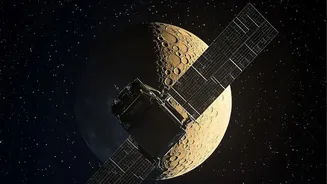
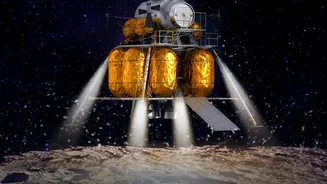
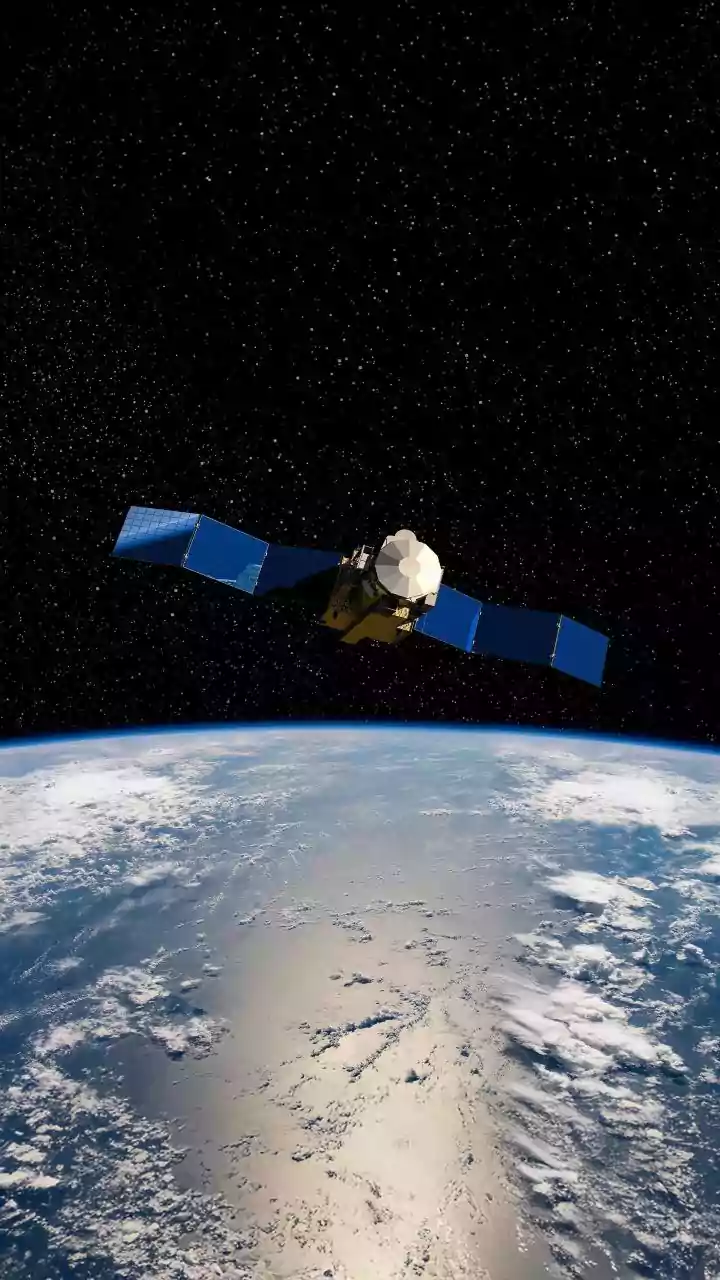
After the ascender lifts off from the Moon, it will perform a delicate dance in lunar orbit, docking with a transfer module that has been waiting. The samples will be moved to a re-entry capsule, which will then begin its long voyage back to Earth. Once the samples arrive, the real work for many scientists begins. Advanced laboratories in India will analyze the material grain by grain. By studying the isotopic composition—essentially the chemical fingerprint—of the water, scientists can determine its origin. They can finally answer key questions: Did it arrive via comets? Was it created by solar wind interacting with lunar minerals? Or did it come from ancient volcanic eruptions? This analysis, only possible in an Earth-based lab, will provide the definitive confirmation that remote sensing cannot.
Why Confirming Water Changes Everything
Confirming accessible water ice on the Moon isn't just a scientific curiosity; it's a game-changer for the future of space exploration. Water can be used for life support for astronauts, providing drinking water and breathable oxygen. Even more significantly, it can be broken down into its core components—hydrogen and oxygen—to create rocket fuel. This concept, known as In-Situ Resource Utilization (ISRU), could turn the Moon into a refuelling station for more distant missions, such as voyages to Mars. By providing the ground truth with Chandrayaan-4's samples, India will not only unlock secrets about our solar system's past but also pave the way for humanity's sustained presence in space.