






Your Monsoon Ally: The Covered Pick-Up
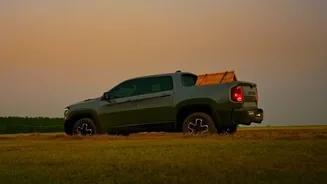
Lifestyle pick-up trucks, like the Toyota Hilux and Isuzu D-Max V-Cross, are built to handle tough conditions, making them ideal for monsoon travel. Their primary advantage lies in high ground clearance and significant water-wading capabilities, often
up to 800mm, allowing you to navigate waterlogged patches that would stop a regular car. The robust 4x4 systems, rear differential locks, and specialised off-road modes provide crucial traction on slippery, muddy, or broken roads. The covered cargo bed is the game-changer; it protects luggage, camping gear, and supplies from relentless downpours, ensuring everything stays dry and secure. This combination of ruggedness and utility allows you to proceed with your plans, albeit with some smart adjustments.
Rethink Your Route, Not Your Trip
With alerts for heavy rainfall, flash floods, and landslides in states like Kerala, Gujarat, and across the Northeast, your original route may no longer be safe. Instead of cancelling, use your pick-up’s capability to plan a safer, more resilient journey. Prioritise major highways over minor rural roads, which are more susceptible to damage and flooding. Use real-time weather apps and local news to monitor conditions. Be prepared to take longer, alternate routes that bypass low-lying areas or regions known for landslides. The goal isn't to challenge extreme weather but to smartly navigate around it. A pick-up gives you the confidence to tackle imperfect roads, but good planning ensures you avoid the truly dangerous ones.
Packing for a Wet Adventure
The covered bed of a pick-up offers ample space, but packing for a monsoon trip requires strategy. Use durable, waterproof boxes or bags to organise your gear. Even with a cover, it's wise to have a secondary layer of protection. A simple, large tarp laid over your luggage before closing the cover offers extra insurance against any water ingress. Keep essentials in easily accessible containers near the tailgate. This should include a medical kit, rain gear, a torch, and basic tools. Pack extra clothes and towels in waterproof bags; in high humidity, things take a long time to dry. Remember to distribute weight evenly in the cargo bed to maintain vehicle stability, as an empty or poorly loaded pick-up can feel unsettled on bumpy roads.
Essential Gear Beyond the Basics
A monsoon trip in a capable vehicle calls for more than just standard luggage. Given the risk of getting stuck on slushy rural tracks, a basic recovery kit is a must-have. This includes a tow strap, shackles, and a tyre inflator. Check that your spare tyre is in good condition and you have a functional toolkit. Since rain can cause unexpected delays, carry extra food and water. A power bank or a portable solar generator is invaluable for keeping your devices charged, especially if you get stranded or your accommodation loses power. Good quality, waterproof footwear for yourself is just as important as good tyres on your truck.
Safe Driving in Heavy Rain
Driving a pick-up in the rain requires adjusting your technique. The most critical rule is to slow down; wet roads significantly increase braking distances for heavier vehicles. Increase your following distance to at least 10-12 seconds from the vehicle in front. Make all control inputs—steering, braking, and acceleration—smooth and gentle to avoid losing traction. Never use cruise control in heavy rain. When faced with standing water, do not attempt to drive through it if you can't gauge its depth. While your pick-up has a high water-wading capacity, hidden potholes or debris can cause serious damage. Always use your headlights to improve your visibility and help others see you.