






More Than Just a Condiment
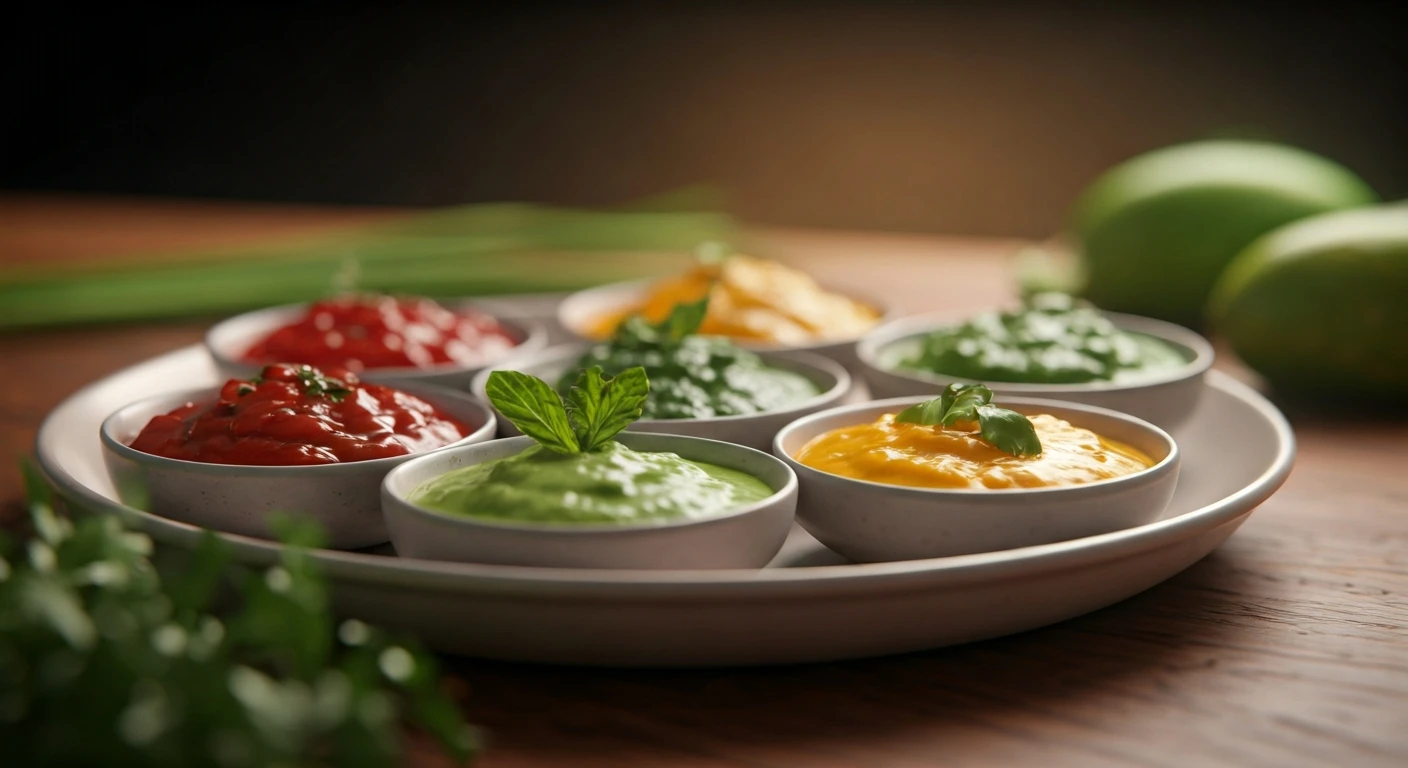
For generations, chutneys have been an indispensable part of Indian meals, adding a burst of flavour that can be sharp, tangy, or cooling. But beyond their taste, these vibrant pastes were traditionally created with an intuitive understanding of food's
medicinal properties. Often paired with heavy or fried foods, our ancestors knew that certain chutneys helped make meals easier to digest. Today, as science takes a closer look at the gut microbiome—the trillions of bacteria living in our digestive tract—it’s finding that this ancient wisdom holds up. The conversation is shifting to recognize that many traditional chutneys are functional foods, packed with ingredients that can actively support digestive wellness.
The Power of Probiotics and Fermentation
Some of the most significant gut-health benefits come from fermented chutneys. Fermentation is a process where microbes like bacteria and yeast break down food components, creating beneficial compounds, including probiotics. These are the 'good' bacteria that help maintain a healthy balance in your gut. While not all chutneys are fermented, some traditional preparations, like certain types of coconut or tomato chutney, were often left to sit at room temperature for a few hours. This practice encourages the growth of naturally occurring lactic acid bacteria, the same kind of probiotics found in yoghurt and kimchi. Similarly, fermented soybean chutneys like Akhuni from Nagaland are potent sources of these beneficial microbes. These living cultures help strengthen the gut lining and improve digestion.
A Feast of Fibre and Prebiotics
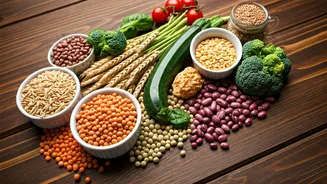
A healthy gut needs more than just probiotics; it also needs prebiotics. Prebiotics are types of dietary fibre that your body can't digest, so they travel to your lower digestive tract where they become food for the healthy bacteria. Many chutneys are naturally rich in prebiotic fibre from their core ingredients. Fruit-based chutneys made from amla (Indian gooseberry) or raw mango are excellent sources of fibre that stimulate digestive juices. Chutneys featuring coconut, lentils, and a variety of vegetables also contribute to your daily fibre intake, nourishing your internal ecosystem and promoting regular bowel movements.
The Magic of Herbs and Spices
Even unfermented chutneys offer a wealth of digestive benefits thanks to the herbs and spices used. Indian kitchens are pharmacies in their own right, and chutneys are a prime example. Ginger is a well-known digestive aid that can speed up stomach emptying, while mint (pudina) helps calm the stomach and reduce bloating. Cumin (jeera) stimulates the production of digestive enzymes, and asafoetida (hing) is famous for relieving indigestion. Other common ingredients like garlic, coriander, and curry leaves all possess properties that support digestion and reduce inflammation, making that simple green chutney a true digestive powerhouse.
Homemade Wisdom vs. Store-Bought Shortcuts
It's important to distinguish between traditional, homemade chutneys and their commercial, store-bought counterparts. For the maximum gut-health benefits, homemade is almost always superior. Store-bought chutneys are typically pasteurised to extend their shelf life, a heating process that kills off any potential probiotics. They also often contain high levels of sugar, salt, and preservatives, which can negatively impact your gut microbiome. Traditional recipes, on the other hand, rely on fresh, whole ingredients and natural preservatives like lemon juice. Grinding ingredients by hand in a stone mortar, as was traditionally done, also helps preserve heat-sensitive nutrients better than an electric grinder.