


Embrace the ‘Shoulder’ Season
River rafting in Rishikesh officially pauses during the peak monsoon months of July and August for safety reasons. The season typically reopens in mid-to-late September, making this 'late-monsoon' or 'post-monsoon' window a fantastic time to visit. Unlike
the scorching heat of summer or the colder days of deep winter, the weather is pleasant, with comfortable daytime temperatures. The river, fed by the recent rains, is often fuller and more energetic than in the winter months, making the rapids more lively. Furthermore, the surrounding landscape is at its most vibrant, and you’ll likely encounter fewer crowds than during the peak tourist season of December and January. For 2026, operations are expected to resume around September 23rd, following a safety inspection of the river's flow and water levels.
Choose the Right Rafting Stretch
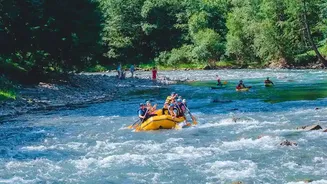
The Ganges near Rishikesh offers several rafting stretches, each with a different length and difficulty level, classified by grades. For absolute beginners, the Brahmapuri to Rishikesh stretch is ideal. It’s about 9 km long and features Grade I and II rapids, which are gentle and create a fun, splashy introduction to the sport without being intimidating. For those seeking a bit more excitement, the 16 km stretch from Shivpuri to Rishikesh is the most popular choice. It includes some thrilling Grade III and III+ rapids like 'Roller Coaster' and 'Golf Course', offering a perfect balance of calm floating and heart-pounding action. Longer and more intense routes like Marine Drive (24 km) or Kaudiyala (36 km) are best left for a second trip or for those with prior rafting experience.
Vet Your Operator for Safety
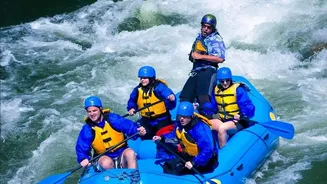
Your rafting experience is only as good as your guide and the equipment you use. Don't be tempted by the cheapest offer you find on the street. A reputable operator is the most important safety decision you will make. Look for companies with certified guides who are trained in first aid and river rescue. Before you book, ask about their safety protocols. They should provide a detailed safety briefing before you get on the water, and all participants must be given a well-fitting life jacket (Personal Flotation Device or PFD) and a helmet. Check that the rafts and other equipment appear to be in good condition. Reading recent reviews online can also provide insight into a company's professionalism and safety record.
Listen to Your Guide—Always
Once on the water, your guide is the captain of the ship. Their instructions are not mere suggestions; they are commands designed to keep everyone safe and the raft on course. Pay close attention during the pre-trip briefing where they will explain essential paddle commands like “forward,” “stop,” and “get down.” Knowing how to respond instantly is crucial when navigating a rapid. If you happen to fall out of the raft, do not panic. Your life jacket will keep you afloat. The guide will have instructed you on the 'swimmer's position' (lying on your back with your feet pointing downstream) to safely navigate the current until you can be pulled back into the raft.
Pack Smart for a Weekend Trip
For a weekend rafting adventure, light packing is key. For the river itself, avoid cotton clothing, which gets heavy and cold when wet. Instead, opt for quick-drying synthetic materials like a polyester t-shirt and shorts. Secure footwear is essential; wear river sandals with straps or water shoes, not flip-flops that will easily come off. You’ll also need high-SPF, water-resistant sunscreen, sunglasses with a strap, and a cap. Pack a small dry bag for any essentials like your phone or wallet, though it's often safer to leave valuables at your camp or hotel. For after the raft, have a towel and a complete change of dry clothes ready.
Budgeting for an Affordable Thrill
A weekend rafting trip to Rishikesh can be surprisingly affordable if planned well. The cost of rafting itself varies by the length of the stretch. A beginner-friendly 9 km trip can cost around ₹600 per person, while the more popular 16 km route is typically priced around ₹800-₹1000. These prices usually include transport to the starting point and all necessary safety equipment. For a weekend trip, you can find budget-friendly guesthouses or campsites. A package that combines rafting with one night of camping can often be a great value deal, sometimes starting around ₹1600 per person. Factoring in bus or train travel from a nearby city, plus meals, you can easily plan a thrilling weekend getaway without breaking the bank.