


Our Brain on the Endless Scroll
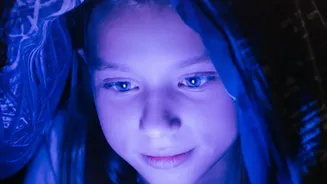
The feeling of “brain rot” after an hour scrolling through Reels or TikTok is a common complaint. Each short, punchy video delivers a small, satisfying hit of dopamine, a reward that keeps us coming back for more. It’s a mechanism similar to a slot machine,
built on a variable reward schedule that our brains find irresistible. Over time, this conditions us to expect rapid, constant stimulation. Studies suggest this digital lifestyle is physically influencing our brains, encouraging divided attention and potentially decreasing our capacity to maintain concentration on a single task. Research from as far back as 2004 has tracked the decline of our average attention on a digital device, from 150 seconds then to a mere 47 seconds in 2024. This doesn't mean our brains are broken, but that we're adapting to a new information environment, one that prizes speed and novelty above all.
The Movie Theatre Paradox
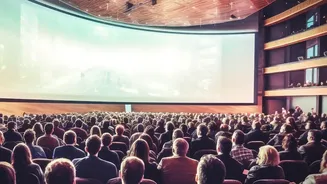
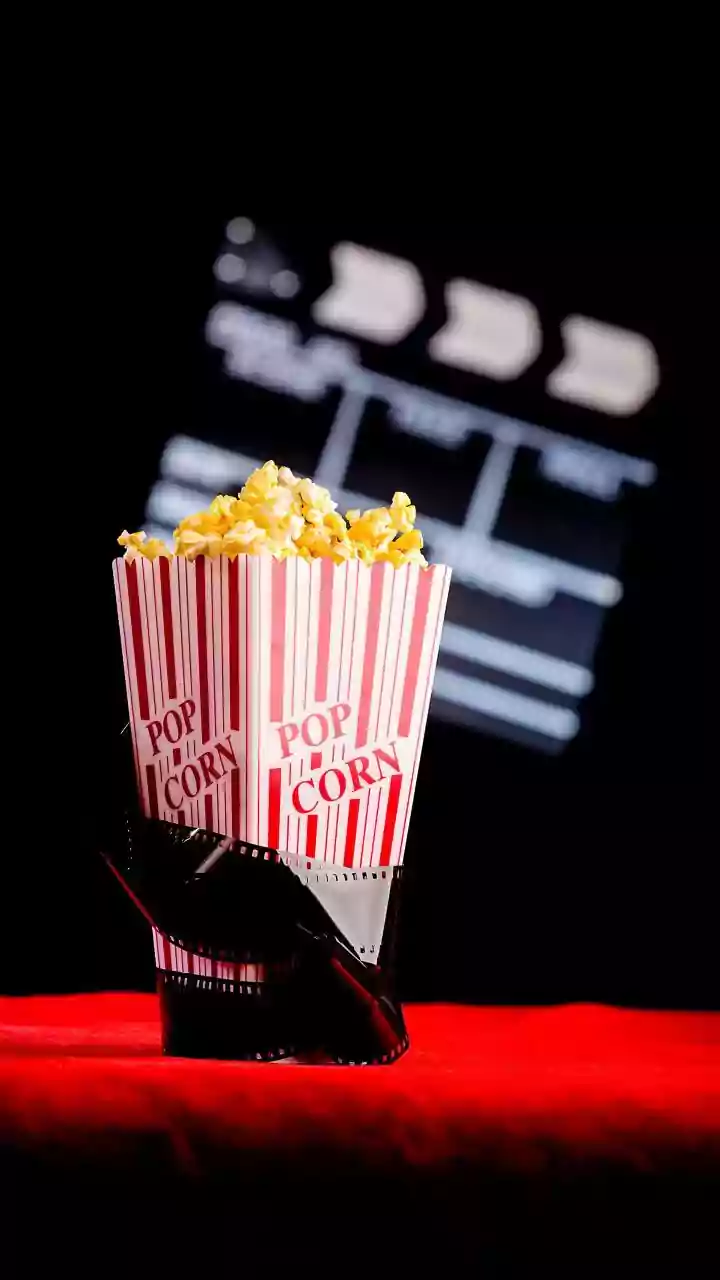
If our attention spans are so fractured, why are three-hour-plus epics like 'Oppenheimer' or 'Avatar: The Way of Water' still commanding massive box office numbers? This is the paradox of modern viewership. While audiences crave shorter content for casual browsing, they still show up for cinematic 'events'. The key difference seems to be selectivity. We may have less patience for boredom, but we still have the capacity for deep focus when a film earns it. In India, the love for the big screen remains particularly strong. A 2023 BookMyShow survey revealed that 98 per cent of respondents believe the true magic of cinema can only be experienced in a theatre. Furthermore, recent data shows Gen Z, the generation raised on short-form content, are going to the cinema more than any other age group, often as part of a larger social experience.
Hollywood's Adaptation Strategy
The film industry isn’t just a victim of this trend; it's an active participant. Studios and marketers have embraced platforms like TikTok and Instagram as powerful promotional tools. Viral clips, memes, and behind-the-scenes content can build immense buzz for a film, often reaching audiences that traditional marketing misses. In some cases, social media clips are what drive viewers to watch the full movie in the first place. However, this strategy is a double-edged sword. While it boosts awareness, it can also lead to issues like plot spoilers being revealed in clips or promotional campaigns struggling to convert viral views into actual ticket sales. Some filmmakers and screenwriters are also anecdotally adjusting their storytelling, allegedly making plots more explicit or repetitive to cater to viewers who might be 'second-screening'—watching the movie while also scrolling on their phone.
Is the Film Itself Changing?
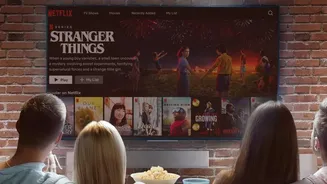
The debate rages on about whether the structure of films is fundamentally changing. A 2026 survey found that the perceived 'ideal' movie length for audiences has shrunk to just 88 minutes. Yet, at the same time, the average runtime of the highest-grossing blockbusters has actually increased over the past few decades. For streaming, the data is even more interesting. While many assume a theatrical run boosts a film's later success on streaming, recent data from 2026 shows that direct-to-streaming original films often achieve higher viewership in their initial release window. In India, the rise of web series on OTT platforms caters directly to a preference for shorter episodes and flexible viewing, providing stiff competition for traditional Bollywood films, especially among Gen Z. This generation is also noted for being more critically engaged, using social media to analyze and discuss films, pushing the industry towards more authentic storytelling.