




Understanding the Bharat Brand Initiative
The Bharat brand is a central government initiative designed to tackle food inflation by making essential commodities available to the general public at controlled, subsidized prices. The scheme utilizes the country's buffer stocks of grains to supply
key staples outside of the public distribution system (PDS), targeting middle and low-income families who may not be covered by other food security schemes. The objective is to increase the supply of these staples in the open market, helping to stabilize prices for everyone. The initial phase of the program began in 2023, and after a brief pause, it has been relaunched for 2026-27 to continue providing a buffer against rising market rates.
The New Per-Kilo Prices to Note
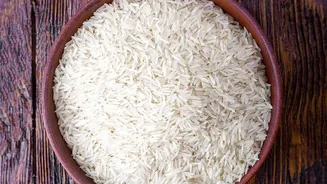
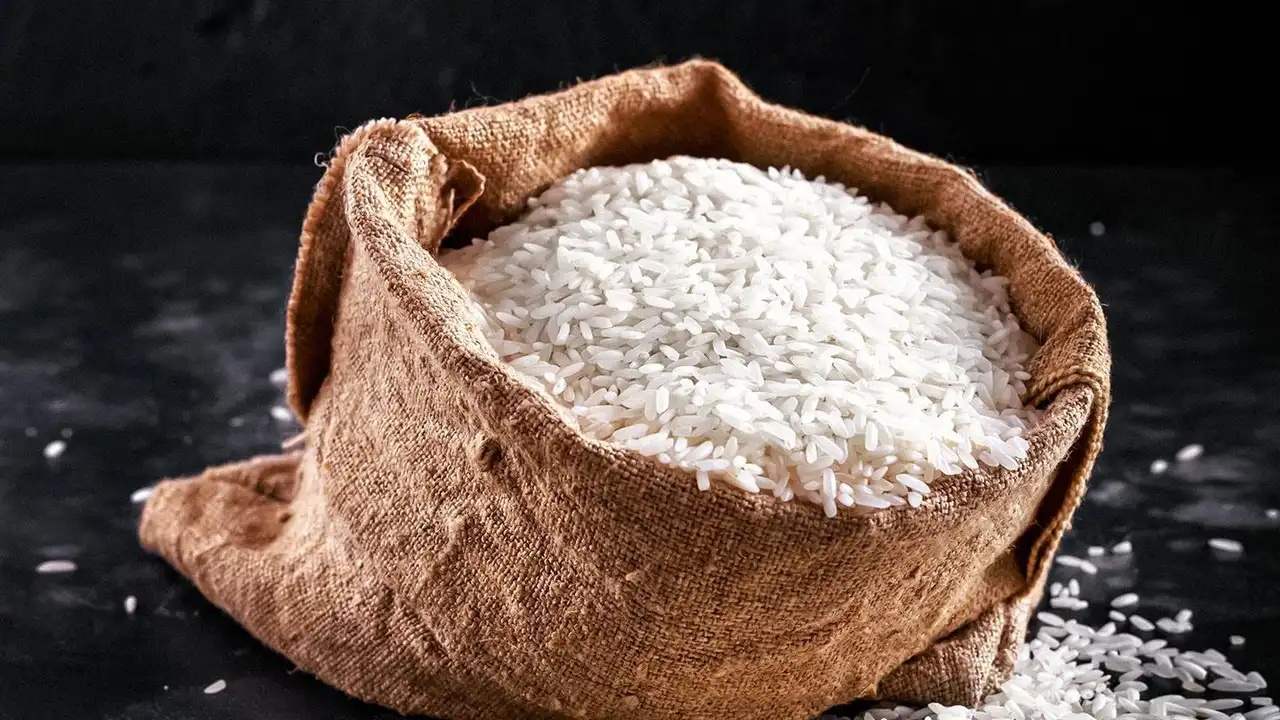
Under the latest policy, the prices for these staples are fixed and uniform across the country. Bharat Atta now has a maximum retail price (MRP) of ₹32 per kilogram. For Bharat Rice, the pricing is structured based on package size and date. For the popular 5 kg and 10 kg bags, the price is set at ₹35 per kg until October 31, 2026. From November 1, 2026, the price will see a marginal increase to ₹36 per kg. For those buying in larger quantities, a 30 kg bag is available at a slightly lower rate of ₹33 per kg, which will adjust to ₹34 per kg on the same date. These products are sold in convenient pre-packaged bags, making them easy to purchase and handle.
How It Stacks Up Against Market Rates
The real value for consumers lies in the comparison with current open market prices. As of early August 2026, the average retail price for wheat atta in the wider market hovers around ₹37.35 per kilogram, with prices in some states being considerably higher. The Bharat Atta, at ₹32 per kg, offers a direct and significant saving of over ₹5 per kilo. The savings on rice are even more pronounced. The national average retail price for rice is approximately ₹44.77 per kilogram. Compared to the Bharat Rice price of ₹35 per kg, a family could save nearly ₹10 on every kilogram purchased. With atta prices having risen by 6-7% in the last month alone, this government intervention provides a welcome option for budget-conscious shoppers.
A Closer Look at Quality
A common concern with subsidized products is their quality. The government has taken steps to address this. The Bharat Rice being sold is fortified, meaning it contains added micronutrients like iron, aligning with public health goals. Descriptions of the Bharat Atta note that it is chakki-ground, a traditional milling process known for preserving the natural fibre and nutrients of the wheat. To further boost consumer confidence and prevent malpractice, a 'track and trace' system is also being implemented. This involves using QR codes on packaging to ensure the product's quality and authenticity from the mill to the retail point, assuring customers they are receiving the intended product.
Where You Can Find Bharat Products
These subsidized staples are being distributed through a network of government-affiliated agencies. Consumers can look for them at the physical retail outlets of Kendriya Bhandar, the National Agricultural Cooperative Marketing Federation of India (NAFED), and the National Cooperative Consumers' Federation of India (NCCF). In addition to fixed stores, these agencies are deploying mobile vans in various localities to improve accessibility. The plan also includes making Bharat Atta and Rice available through major retail chains and e-commerce platforms, which will significantly expand their reach in the near future. They are primarily sold in 5 kg and 10 kg packages.