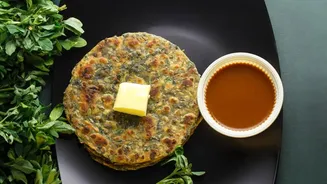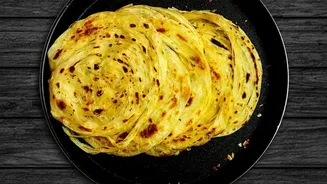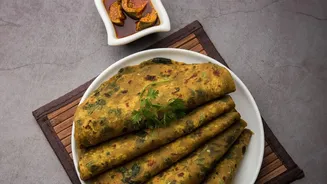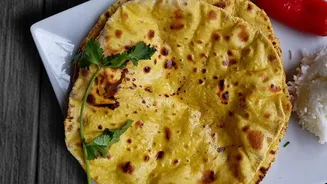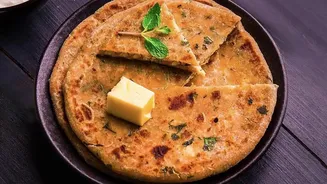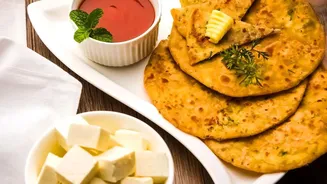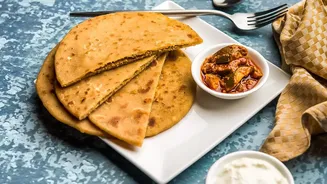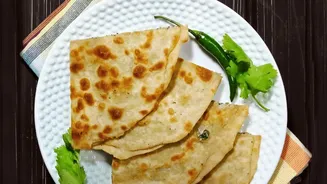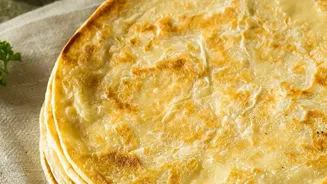



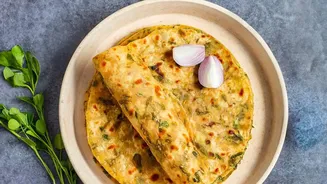
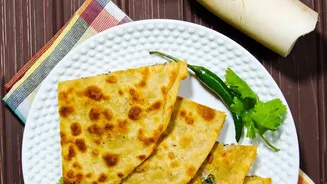
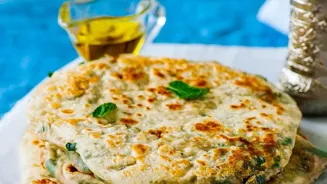
Craving a wholesome, gluten-free flatbread but tired of dry, crumbly results? This guide unlocks the secret to making perfectly soft and flavourful sorghum-radish (jowar-mooli) parathas, every single time. A nutritious winter favourite!
Why Sorghum and Radish?
Sorghum, or jowar,
is a fantastic gluten-free millet celebrated for its health benefits. It is rich in fibre, protein, and essential nutrients like iron and calcium. Its slow-releasing carbohydrates help in managing blood sugar levels, making it a great choice for a balanced diet. The challenge, however, lies in its lack of gluten, which can make flatbreads hard and difficult to roll. This is where radish, or mooli, comes in. Grated radish not only adds a lovely, sharp flavour that complements the earthy taste of jowar but also provides essential moisture. This moisture helps in creating a pliable dough and ensures the final paratha is wonderfully soft and delicious.
Gathering Your Ingredients
This recipe focuses on simple, fresh ingredients to create a flavourful and healthy meal. Here is what you will need: Jowar (Sorghum) Flour: 2 cups Radish (Mooli): 1 medium, grated Radish Leaves: ¼ cup, finely chopped (optional, but adds flavour and nutrients) Green Chillies: 1-2, finely chopped Ginger: 1-inch piece, grated Carom Seeds (Ajwain): 1 teaspoon Salt: To taste Oil or Ghee: 1 teaspoon for the dough, plus more for cooking * Hot Water: Approximately 1.5 to 2 cups, for kneading
The Secret to a Soft Dough
The key to soft jowar parathas lies entirely in how you prepare the dough. Since there's no gluten to create elasticity, we need a different technique. The most crucial step is using hot, boiling water. This process partially cooks the flour, making it more gelatinous and easier to bind. First, grate the radish and sprinkle it with a little salt. Let it sit for about 10 minutes. Then, squeeze out the excess water. You can either discard this water or use it as part of the liquid for kneading. In a large mixing bowl, combine the jowar flour, squeezed radish, chopped radish leaves, green chillies, grated ginger, carom seeds, and salt. Add one teaspoon of oil. Now, gradually pour in the hot water while mixing with a spoon. Be careful as the mixture will be very hot. Once it comes together, cover the bowl and let the dough rest for about 5-10 minutes. This allows the flour to absorb the steam and soften further. After it has cooled enough to handle, knead it for 3-4 minutes until you have a smooth, pliable dough. This extended kneading is important to develop what little structure you can.
Rolling and Roasting to Perfection
Working with gluten-free dough requires a gentle touch. Divide the dough into equal-sized balls. To prevent sticking and breaking, it's best to roll the parathas on parchment paper or a clean plastic sheet. Dust the surface and the dough ball lightly with dry jowar flour. Instead of applying a lot of pressure, gently pat the dough with your fingertips or use a rolling pin with a very light hand to form a circle about 4-5 inches in diameter. Don’t worry if the edges crack; this is normal. You can use a round cutter or a sharp-edged bowl to get a perfect circle if you prefer. Heat a tawa or griddle over medium-high heat. Carefully lift the paratha and place it on the hot tawa. Cook for about a minute until you see small bubbles. Flip it over. Some cooks like to brush a thin layer of water on the top surface after the first flip, which can help keep it moist. Once the other side has light brown spots, flip it again. Gently press down with a spatula to help it cook evenly and puff up. Apply a little ghee or oil on both sides and cook until golden brown.
Tips for Fail-Proof Parathas
To ensure your parathas are always soft, keep these points in mind. First, always use hot water to knead the dough; this is non-negotiable for a soft texture. Second, do not skip the resting period after mixing the flour with hot water. Third, knead the dough well while it is still warm to make it smooth. If the dough feels too dry, don't hesitate to add a little more warm water. If it cracks too much while rolling, the dough needs more moisture. Finally, as you cook the parathas, stack them on top of each other in a casserole or covered container. The trapped steam will keep them soft for hours.