



Purity: The Foundation of Value
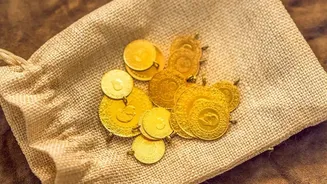
The first factor in gold's value is its purity. Gold coins are typically purchased for investment and are therefore minted in the highest purity, usually 24 Karat (24K), which is 99.9% pure gold. This makes their value straightforward to calculate. Gold jewellery,
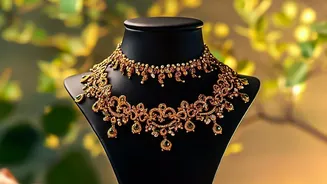
designed for durability and wear, is usually made from 22K (91.6% pure) or 18K (75% pure) gold, mixed with alloys. While beautiful, this means a 10-gram necklace does not contain 10 grams of pure gold. For guaranteed purity, always look for the Bureau of Indian Standards (BIS) hallmark, which is now mandatory and certifies the gold's Karatage. A hallmarked item ensures you are getting the purity you pay for, which is crucial for resale.
Making Charges: The Unrecoverable Cost
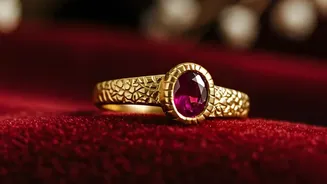
This is the most significant financial difference between coins and jewellery. Making charges are the fees for craftsmanship and design. For gold jewellery, especially intricate pieces, these charges can range from 8% to over 25% of the gold's value. In contrast, gold coins are machine-stamped and have minimal making charges, often between 1% and 4%. When you sell your gold, the buyer pays for the metal's weight and purity, not the craftsmanship. This means the entire amount you paid in making charges is a sunk cost that you will not recover. From a purely financial standpoint, the lower the making charges, the better the investment.
Calculating Resale Value: Where Coins Shine
When it's time to sell, the process is simple: the final value is determined by the weight of pure gold multiplied by the prevailing market rate. Because coins start with higher purity and negligible making charges, their resale value is almost always higher than that of jewellery of the same initial weight. For example, if you sell a 10-gram, 24K coin, you get the value for nearly 10 grams of pure gold. If you sell a 10-gram, 22K ornament, you only get value for its 9.16 grams of gold content, and you lose all the making charges you paid. Jewellers may also deduct for 'wastage' or melting losses on ornaments, further reducing the payout.
Liquidity: How Easily Can You Sell?
Liquidity refers to how quickly you can convert an asset into cash. Both coins and jewellery are relatively liquid, but coins have an edge. Standardised, hallmarked gold coins are easy for any jeweller to value and buy. Their pricing is transparent, based on the spot gold rate. While jewellers readily buy back jewellery, some may prefer to buy back pieces originally sold from their own store. Furthermore, selling jewellery with many small stones can complicate the valuation process, as the weight of the stones must be subtracted to determine the net gold weight.
The GST Factor
When you buy gold in any physical form in India, you must pay a 3% Goods and Services Tax (GST) on the value of the gold. For jewellery, there is an additional 5% GST applied to the making charges. This entire GST amount is a tax paid at the time of purchase and is not refunded or recovered upon resale. While it applies to both coins and jewellery, the higher making charges on jewellery mean you indirectly pay a slightly higher total tax amount for an ornament compared to a coin of the same weight.
The Verdict: Investment vs. Adornment
The choice between gold coins and jewellery depends entirely on your primary goal. If your objective is purely financial—to invest in gold as an asset that you plan to sell for a profit later—then gold coins are the clear winner. They offer higher purity, significantly lower making charges, and a more straightforward, higher resale value. However, gold in India is also about culture, tradition, and personal joy. Jewellery offers the unique benefit of being wearable art. If you are buying for an occasion, for personal use, or as a family heirloom, then jewellery is the right choice. The key is to buy it with the understanding that you are paying a premium for the craftsmanship, which you will not get back upon sale.