







The High-Altitude Bottleneck
Kushok Bakula Rimpochee Airport in Leh, one of the highest commercial airports in the world, is a critical lifeline for Ladakh. For about six months of the year when high passes are snowed in, it's the only way in or out. However, the existing terminal
has been struggling to keep up. Designed to handle about nine lakh passengers annually, it has been stretched by a surge in tourism and increased strategic movement. The airport's operational window is often limited to morning hours due to strong afternoon winds, and the thin air at over 10,600 feet presents unique challenges for aircraft performance. With rising temperatures sometimes disrupting flight schedules and a runway that has been blocked in the past, the need for enhanced capacity and resilience has become urgent.
A New Gateway Takes Shape
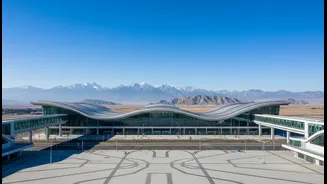
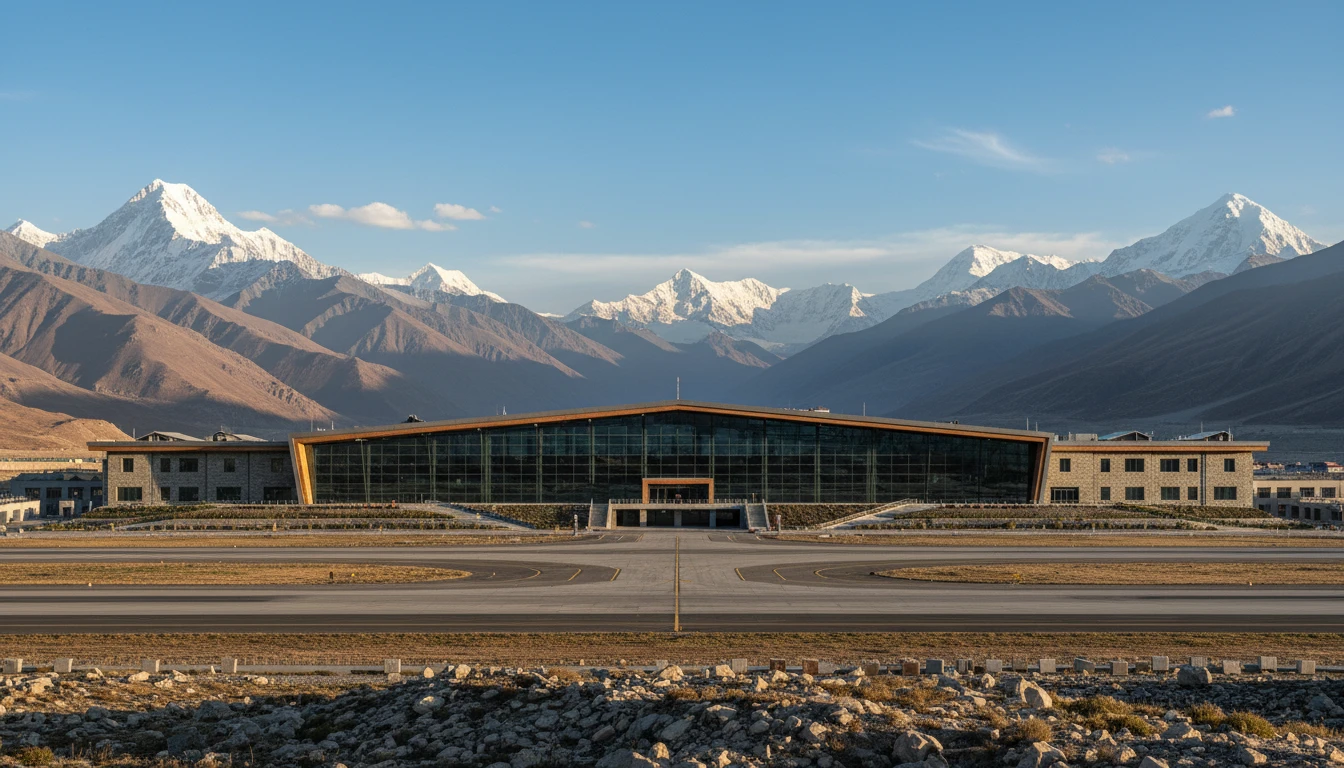
A state-of-the-art integrated terminal building is now rapidly nearing completion, promising a dramatic upgrade. As of early July 2026, the project was reported to be 83% physically complete, a significant milestone announced by the Union Civil Aviation Minister. This new terminal is not just an expansion; it's a transformation. Once operational, it is designed to handle up to 54 flights a day, effectively tripling the airport's current capacity. While an official commissioning date has not yet been specified, earlier projections aimed for a mid-2026 opening. The project is a cornerstone of the central government's push to modernise aviation infrastructure across the country, especially in strategically vital regions.
More Than an Upgrade
The impact of this new terminal will extend far beyond passenger convenience. For the burgeoning tourism sector, it means smoother arrivals and the ability to accommodate more visitors, bolstering the local economy. For residents of Ladakh, it promises more reliable year-round connectivity. Strategically, the enhanced capacity is a significant asset for military logistics in this sensitive border area. The new terminal is also an engineering marvel, designed to be India's first airport powered by a hybrid of geothermal and solar energy. This eco-friendly approach, featuring a 4-star GRIHA rating, is crucial in the fragile Himalayan ecosystem. The design itself will reflect the region's culture, incorporating Buddhist motifs to offer a unique sense of place.
The Future of Himalayan Connectivity
The new terminal will address many of the current physical limitations with features like 18 check-in counters and modern baggage handling systems. This will significantly reduce congestion and improve the overall passenger experience, which is particularly important for travellers acclimatising to the high altitude. The project is a clear signal of commitment to Ladakh's development, aiming to provide resilient and reliable air services in a geographically demanding region. By enabling smoother aircraft movement and faster departures, the expansion will improve overall airfield efficiency for both civil and military flights.