



The Old Guard of Travel
For decades, the anatomy of a perfect trip was dictated by a handful of trusted sources. Dog-eared copies of Lonely Planet, Fodor’s, or Frommer's were the traveller’s bible, their pages filled with maps pointing to must-see museums, historic landmarks,
and photo-worthy viewpoints. The goal was simple: to see the prescribed sights, collect the experiences, and return with a camera full of proof. Travel was a checklist. The Eiffel Tower? Check. The Taj Mahal? Check. The Colosseum? Check. These guides were invaluable, but they were also prescriptive, often steering millions of tourists towards the exact same handful of places, creating a uniform experience for a diverse world.
What Is a 'Food Map'?
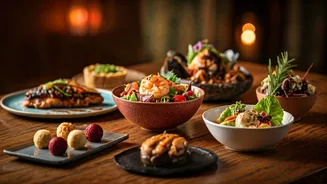
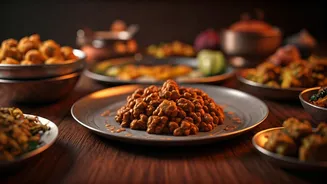
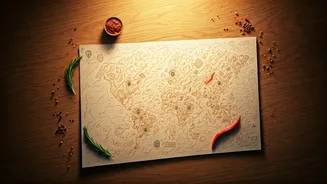
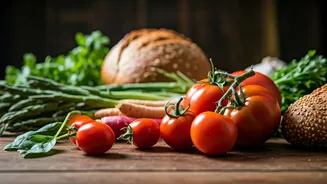
The term 'food map' is less about a physical, foldable document and more about a new philosophy of travel. It’s a constellation of digital and personal resources curated around a single, powerful idea: that the fastest way to the soul of a place is through its stomach. These 'maps' take many forms. They can be a meticulously detailed blog post by a food writer like the late Anthony Bourdain or Mark Wiens, a hyper-local Google Maps list shared by a friend, an Eater guide to the 38 essential restaurants in a city, or even a curated Instagram Story from a trusted chef. Unlike traditional guides that treat food as a footnote under 'Where to Eat', these maps make food the main event—the landmarks are the markets, the monuments are the legendary street food stalls, and the museums are the family-run restaurants where recipes have been perfected over generations.
The Quest for Authenticity
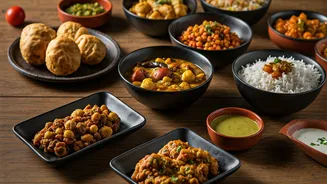
So, why the shift? The primary driver is a deep, collective craving for authenticity. As global travel became more accessible, tourist hotspots grew more crowded and commercialised. Travellers began to suspect that the 'real' city existed just beyond the velvet ropes of the main attractions. Food became the secret password. You can’t fake a good meal that has been loved by locals for 50 years. Sharing a table at a bustling biryani joint in Hyderabad or finding the best vada pav in a Mumbai lane offers a connection that posing for a photo at a monument simply can't. It’s an interactive, sensory experience that’s unique, personal, and much harder to package for mass consumption. Food cuts through the tourist veneer and plunges you directly into the local rhythm of life.
From Monuments to Memories
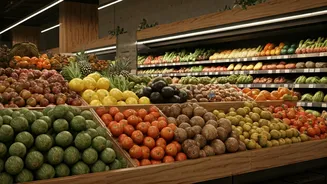
This approach fundamentally changes the structure of a day’s itinerary. A traditional travel guide might suggest a morning at a museum, an afternoon at a palace, and an evening watching a cultural show. A food map, on the other hand, might chart a course from a legendary breakfast spot across town, to a mid-morning coffee at a historic roastery, followed by a long walk through a market to see where the chefs source their produce, and culminating in a dinner reservation at a place that requires a ten-minute walk down an unmarked alley. The journey itself—the conversations with vendors, the smells from the kitchens, the joy of discovering a hidden gem—becomes the destination. The memories formed are not of static buildings, but of dynamic flavours, textures, and the people who create them.
The Digital Palate
Technology has been the great enabler of this movement. While old guidebooks were updated annually at best, the digital world moves at the speed of a chef’s special. Social media platforms like Instagram and TikTok allow for real-time discoveries. A chef can post their daily menu, and a traveller can be there an hour later. This digital word-of-mouth has democratised travel knowledge, shifting power from a few publishing houses to a global community of food lovers. It allows for nuance and specificity—not just 'try Italian food in Rome', but 'go to this specific bakery in Trastevere on a Tuesday morning for the perfect maritozzo'.