
A Festival of Devotion and Decoration
Sharad Navratri, which in 2026 begins on October 11th, is a nine-night festival dedicated to the worship of Goddess Durga and her various forms. It's a time of immense spiritual energy, fasting, and vibrant community celebrations. Central to bringing
this festive spirit into the home is the act of decoration. More than just aesthetic enhancement, decorating for Navratri is believed to invite divine energy, purify the surroundings, and create a welcoming atmosphere for family and guests. This year, however, the focus is moving beyond generic, mass-produced items towards decor that tells a story of cultural and artistic legacy.
The Conscious Shift to Handmade
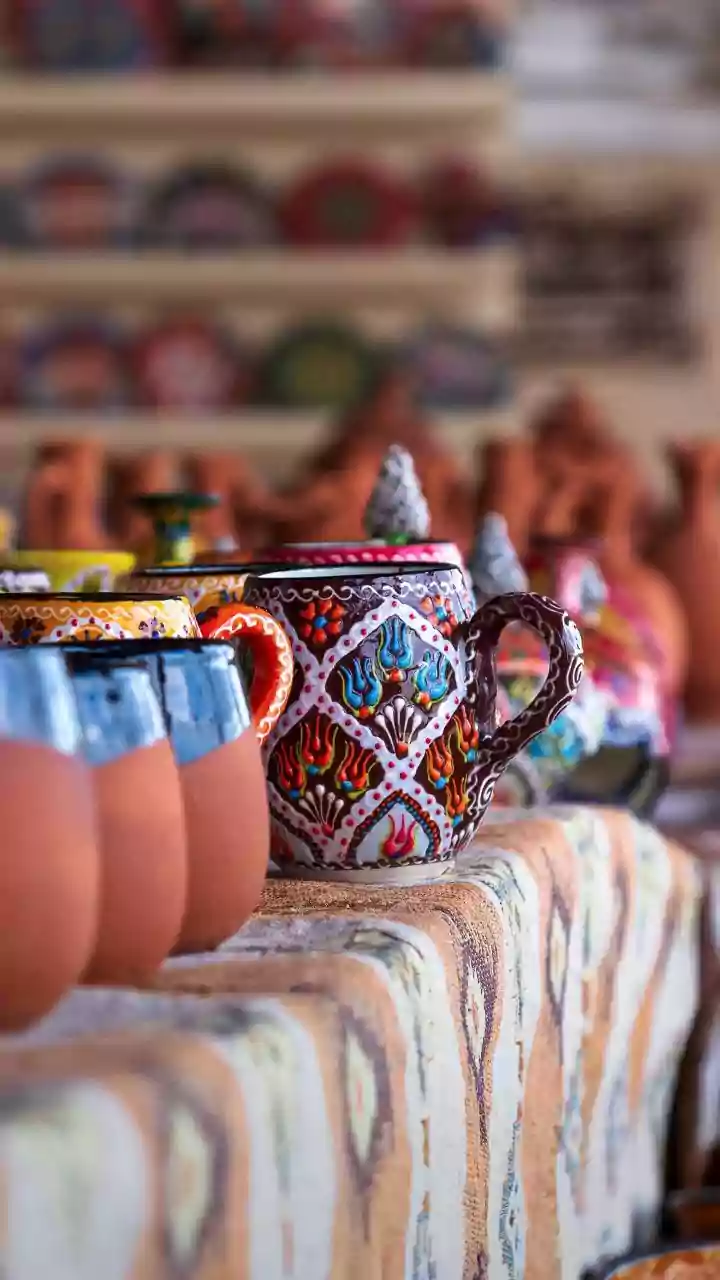
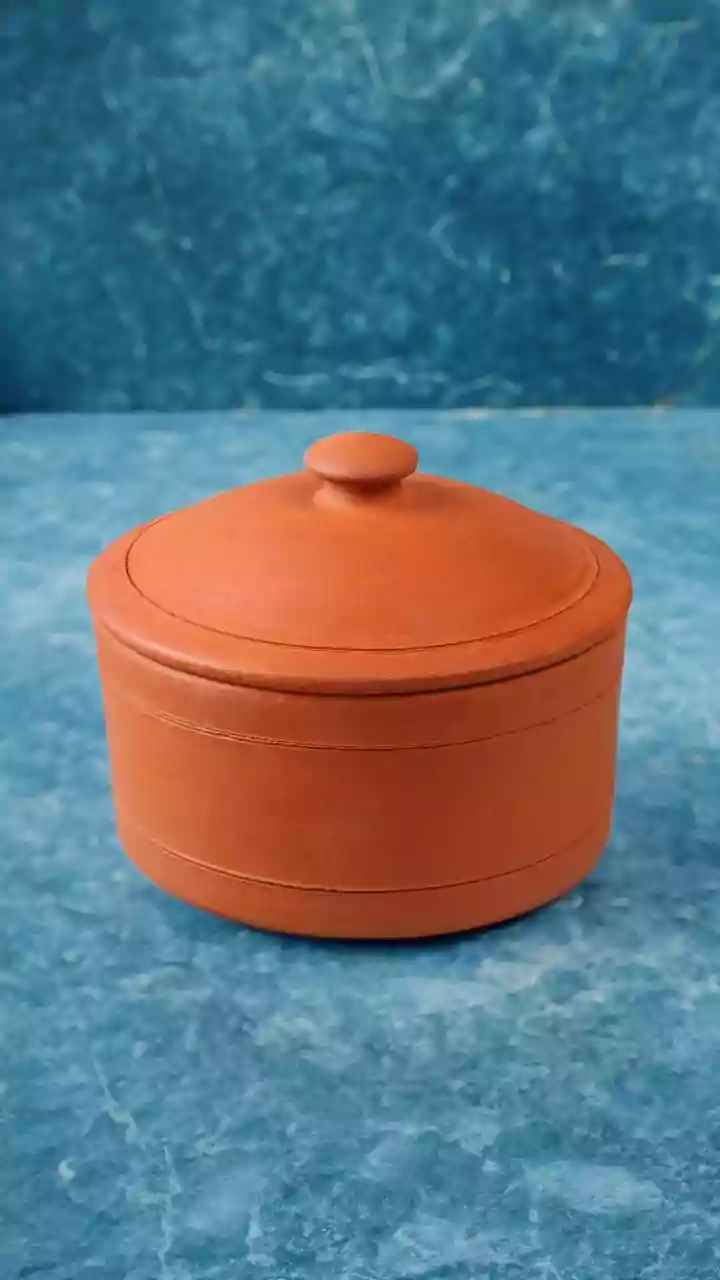
The growing trend towards traditional decor is driven by a deeper, more conscious consumer mindset. In a world of fast-paced manufacturing, there is a renewed appreciation for authenticity and sustainability. Homeowners are increasingly choosing handmade items, which not only adds a unique and personal touch but also supports the livelihoods of local artisans across the country. This shift is also an eco-friendly one. Many traditional decorations use natural and biodegradable materials like clay, jute, bamboo, and cotton, aligning with a growing desire for more sustainable celebrations. This Navratri, decorating is becoming an act of cultural preservation and responsible citizenship.
Earthy Diyas and Brilliant Brass
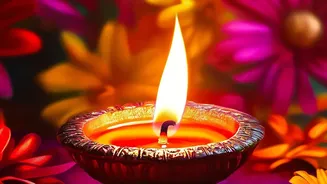
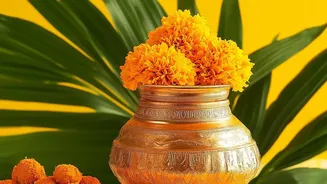
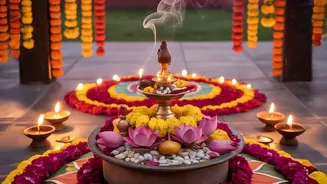
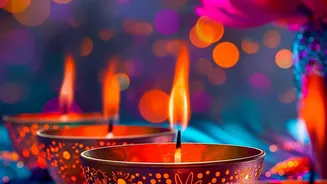
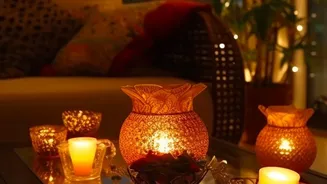
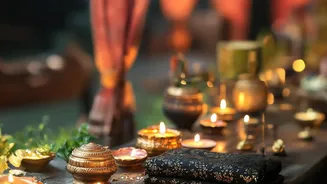
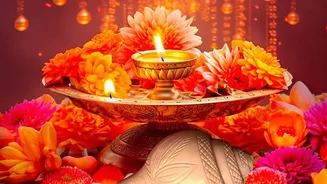
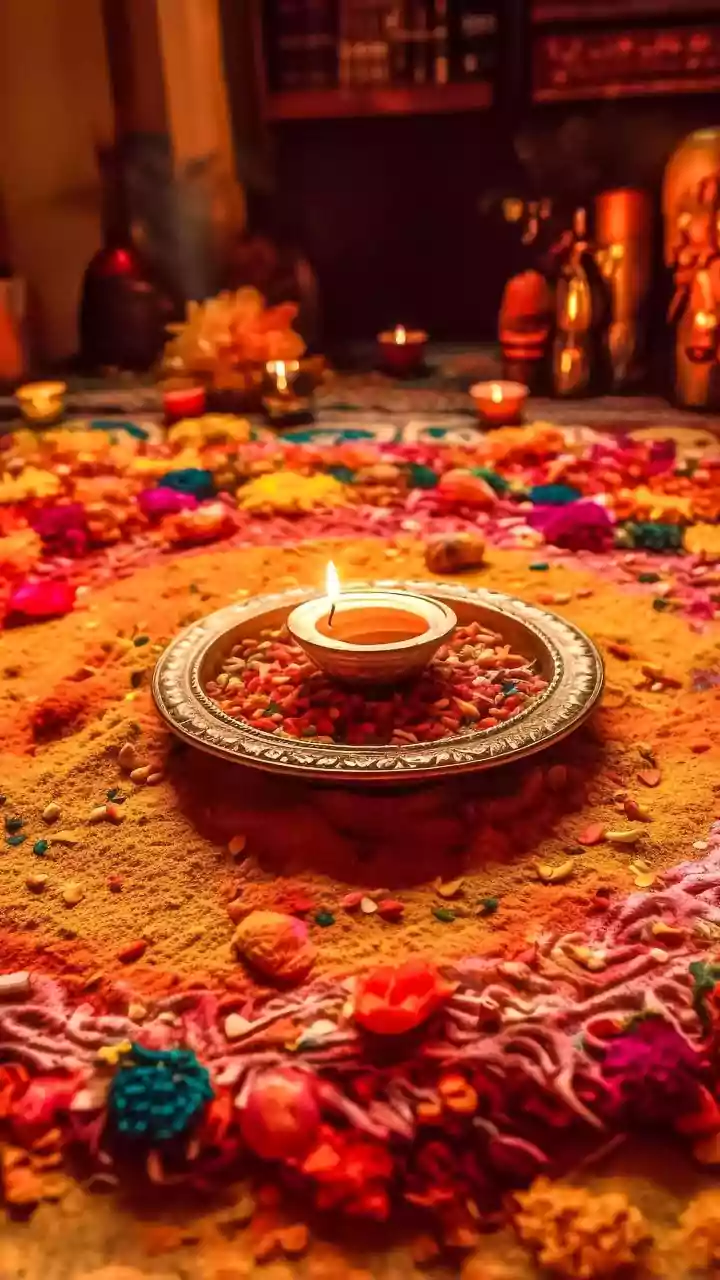
Lighting plays a pivotal role in Navratri decor, symbolizing the triumph of light over darkness. This year, the humble hand-painted clay diya is making a major comeback. Artisans often adorn these with intricate patterns and natural colours, turning a simple lamp into a piece of art. Alongside diyas, traditional brass and copper lamps (samai) and urlis (decorative bowls) are regaining popularity. Filled with water and floating flowers like marigolds, these metallic pieces add a timeless, elegant glow to the pooja room and living spaces, reflecting light and creating a serene ambiance.
The Warmth of Traditional Textiles
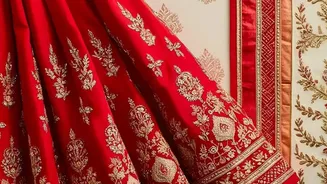
One of the easiest yet most impactful ways to embrace traditional decor is through textiles. Old sarees, colourful dupattas, and handloom fabrics are being repurposed as vibrant backdrops for idols, festive table runners, and drapes for windows and doors. Block-printed cushion covers in festive shades of red, yellow, and orange can instantly transform a living room. These fabrics not only add colour and texture but also carry with them the rich legacy of India's textile arts, from Bandhani to Kalamkari. By incorporating these textiles, homes are wrapped in layers of heritage and warmth.
Handcrafted Touches for a Festive Welcome
The entrance to the home sets the tone for the festivities. Beautifully handmade torans, crafted from fabric, beads, mirrors, or mango leaves, are once again becoming a staple on doorways. Intricate rangoli designs, made with rice flour and natural powders instead of chemical colours, are another traditional element being revived. These handcrafted details extend to smaller items as well, such as terracotta idols, wooden art pieces, and bamboo baskets filled with fresh flowers, each piece contributing to a home that feels both authentic and deeply personal.