






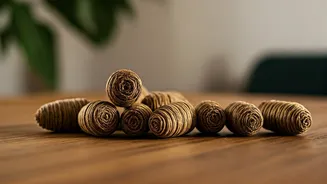


Embracing the Monsoon Atmosphere
There’s a certain romance to the Indian monsoon—the dramatic grey skies, the cooling rain, the petrichor that rises from the dry earth. But inside our homes, the story can be different. The air grows thick and heavy, carrying a persistent dampness that clings
to fabrics and fosters a musty scent. Walls feel cool and slick, clothes take forever to dry, and a general sense of sluggishness can set in. This heavy, humid air doesn’t just affect our physical surroundings; it can weigh on our mood, making our personal sanctuaries feel less like havens and more like enclosed, stuffy spaces. Fighting this feeling often involves chemical air fresheners or noisy dehumidifiers, but there’s a more mindful, aromatic solution rooted in nature.
The Power of Vetiver (Khus)
For generations, we in India have turned to vetiver, or khus, as a powerful antidote to heat and humidity. This perennial grass has deep roots that yield a complex, earthy, and deeply grounding essential oil. Its scent is often described as green, woody, and slightly sweet—the fragrance of cool, damp earth after a sun shower. Traditionally, khus roots were woven into mats and curtains (chiks), which, when sprinkled with water, would release their cooling aroma and lower the ambient temperature. When used in an incense cone, vetiver’s magic works on an atmospheric level. Its rich, grounding fragrance doesn’t just mask mustiness; it replaces it with a scent that feels inherently clean and calming, helping to mentally cut through the oppressive feeling of a humid room.
The Wisdom of Cedarwood (Deodar)
Paired with vetiver, cedarwood brings its own unique set of benefits. The Himalayan Cedar, or Deodar (from the Sanskrit 'devadāru', meaning 'wood of the gods'), has been revered for centuries for its aromatic and preservative properties. Its oil carries a clean, balsamic, and woody fragrance that promotes a sense of tranquillity and stability. This is the scent of a quiet forest, a smell that encourages deep breaths and a peaceful mind. Beyond its calming aroma, cedarwood is also known for its natural antimicrobial and insect-repellent qualities. In a humid environment where mould and insects can thrive, the subtle smoke from a cedarwood cone does more than just smell good; it helps create an environment that feels cleaner and more protected.
How Scent 'Purifies' Your Space
The word 'purify' can be misleading. An incense cone is not a HEPA filter, and it won’t scrub pollutants from the air. Instead, its purifying effect is primarily sensory and psychological. When the air is thick with moisture and stagnant odours, the fragrant smoke from vetiver and cedarwood cones works in three ways. First, the potent, pleasant natural scents actively overpower and neutralize musty smells. Second, the very act of burning creates a gentle circulation of air, helping to move the heavy, still atmosphere. Most importantly, these specific aromas have a proven effect on our brains, triggering feelings of calm, cleanliness, and comfort. Your home *feels* purified because the dominant sensory input has shifted from damp and stuffy to fresh, earthy, and serene.
The Ritual of Refreshing Your Home
Using these cones is simple, but turning it into a small ritual elevates the experience. Place a single cone on a heat-proof dish or holder, away from any flammable materials. Light the very tip of the cone, let the flame catch for about 10 seconds, and then gently blow it out. The cone should now smoulder, releasing a steady, fragrant stream of smoke. For the best results, it’s crucial to ensure proper ventilation. Don’t burn incense in a completely sealed room. Crack open a window to allow the smoke to help carry out the stale, humid air and prevent a buildup of particulate matter. This small act, performed in the morning or evening, can signal a shift in your home’s energy, transforming it from a space you endure into a sanctuary you cherish.