



1. The Obvious Health Advantage
Let’s start with the most significant reason: health. The traditional samosa gets its signature crispiness and flavour from being deep-fried in oil. While delicious, this process adds a substantial amount of fat and calories. A baked samosa, on the other
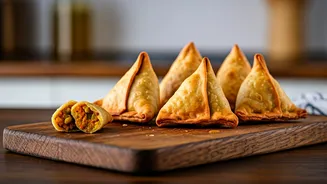
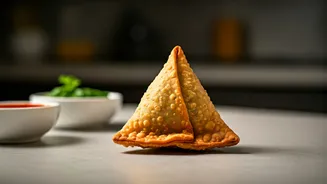
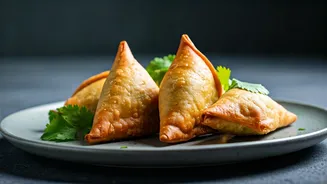
hand, requires only a light brushing of oil or ghee to achieve a golden, flaky crust. This simple switch drastically reduces the overall calorie and fat content. For a growing number of people who are more mindful of their dietary intake but unwilling to give up their favourite snacks, the baked version offers a guilt-free compromise. It allows them to indulge in the familiar spicy filling and satisfying crunch without derailing their health goals. This makes it a perfect fit for a daily snack rather than just an occasional treat.
2. Convenience and a Cleaner Kitchen
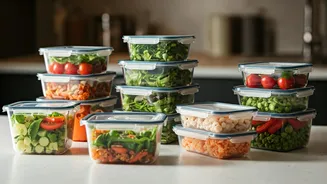
Anyone who has made samosas at home knows the commitment involved, especially the frying stage. It requires a large amount of oil, careful temperature management, and inevitably, a splattered stovetop and a lingering smell. Baking changes the game entirely. You can line a large baking tray with dozens of samosas, brush them with oil, and let the oven do all the work. This method is not only cleaner but also far more efficient for making large batches. It’s perfect for meal-preppers who want to stock their freezers with ready-to-bake snacks for the week or for hosts preparing for a party. The 'set it and forget it' nature of baking frees up time and energy, making the beloved snack more accessible for busy home cooks.
3. A Canvas for Culinary Creativity
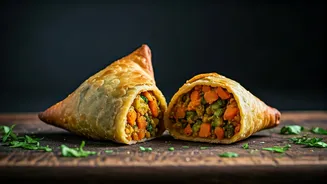
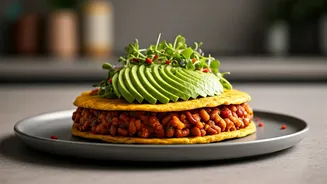
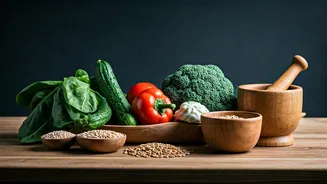
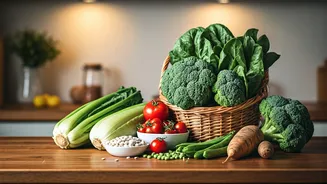
The shift from frying to baking has opened up a world of experimentation. Deep-frying limits the type of pastry you can use, as it needs to be sturdy enough to hold its shape in hot oil. Baking is far more forgiving and versatile. Home cooks and professional chefs are now playing with different flours for the dough, incorporating whole wheat, multigrain, or even millet flours for a nuttier flavour and added fibre. The fillings are also getting a makeover. While the classic potato and pea mixture remains a favourite, the stable, even heat of an oven is perfect for more delicate ingredients. Think paneer and spinach, mushroom and corn, spicy minced chicken, or even sweet fillings like a coconut-jaggery mixture. The baked samosa has become a blank canvas for flavour innovation.
4. The Perfect Modern Party Snack
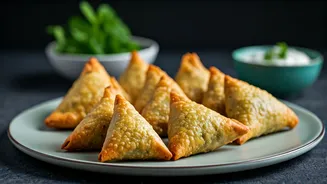
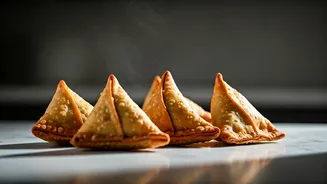
Baked samosas are an ideal snack for modern entertaining. They can be prepared well in advance and simply popped into the oven just before guests arrive, filling the house with a wonderful aroma. They emerge from the oven hot, crisp, and significantly less greasy than their fried counterparts, meaning no oily fingers for guests. Their slightly healthier profile also caters to the diverse dietary preferences you often find at gatherings today. Serving a platter of assorted baked samosas—some traditional, some with novel fillings—is a thoughtful way to show you’ve considered everyone's tastes and well-being. They hold up better over time on a buffet table, staying crisp for longer without becoming soggy as they cool.
5. It Still Tastes Like Home
Perhaps the most important reason for the baked samosa’s growing acceptance is that, when done right, it doesn't sacrifice the soul of the original. The magic of a samosa lies in the contrast between the crisp outer layer and the soft, spicy, flavour-packed filling. A well-made baked samosa delivers on this promise. The crust might have a slightly different, more biscuity texture than a fried one, but it’s still wonderfully satisfying. The key is in the filling—the familiar, comforting blend of spices, potatoes, and peas that tastes like nostalgia. It proves that a dish can evolve to fit a modern lifestyle without losing the essence of what made it so loved in the first place.