


Beyond the Postcard View
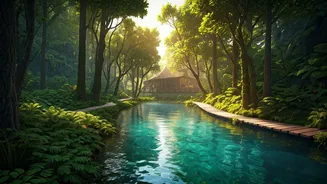
So, what exactly is a 'nature-first' break? It’s more than just booking a hotel with a nice view. It's a conscious choice to prioritise connection with the environment over ticking off a checklist of tourist hotspots. Think less about crowded monuments
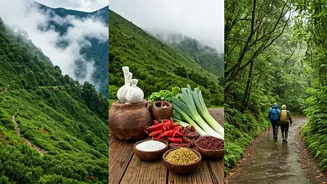
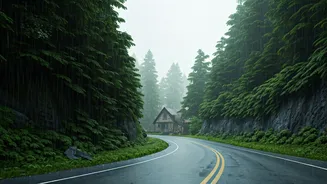
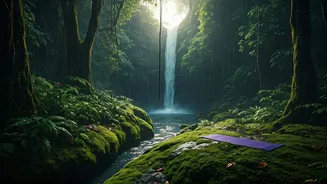
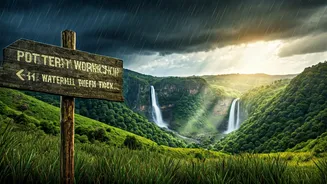
and more about immersive experiences: waking up to birdsong in a forest cabin, learning about organic farming at a farm stay, or trekking to a hidden waterfall. This trend represents a shift from passive sightseeing to active, mindful engagement. It’s about slow travel, where the journey and the stay are as important as the destination itself. The focus is on disconnecting from the urban grind and reconnecting with something more fundamental – the pace of the natural world.
The Post-Pandemic Effect
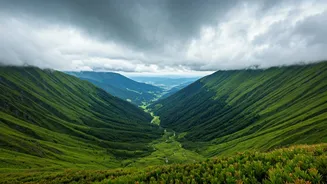
This movement didn't appear out of nowhere. The pandemic was a major catalyst, fundamentally altering our relationship with space and travel. After months of lockdowns and confinement, the allure of wide-open spaces became undeniable. Travellers began seeking out secluded, less-crowded destinations, driven by both a desire for safety and a deep-seated need for fresh air and freedom. The rise of remote work and 'workations' further fuelled this trend. With the laptop as the new office, professionals could escape the city for extended periods, trading their apartment balconies for mountain vistas in Himachal or serene beach shacks in Goa. This prolonged exposure to nature solidified it as a wellness necessity rather than just a weekend luxury.
Curated for the 'Gram
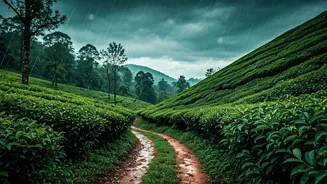
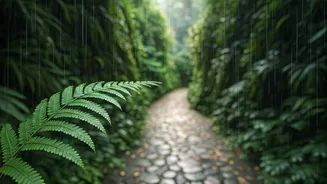
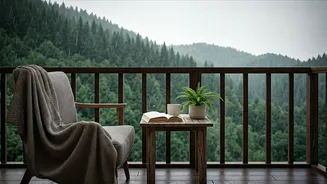
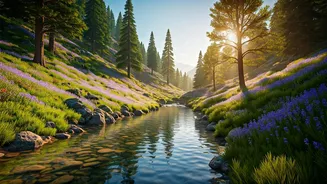
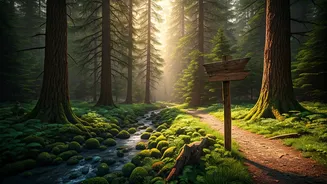
Here's where the modern twist comes in: the 'shareable appeal'. These nature-first experiences are incredibly photogenic. The aesthetic is specific: think rustic-chic decor, farm-to-table meals artfully arranged on earthenware, golden-hour light filtering through a pine forest, or a solitary figure looking out over a valley. For a generation fluent in visual storytelling, sharing these moments on Instagram or in a TikTok montage is part of the experience itself. It’s not just about showing off; it's about curating a personal brand that values wellness, authenticity, and a connection to the earth. A perfectly captured shot of a dew-kissed coffee plantation in Coorg or a stylish glamping tent in Rajasthan communicates a lifestyle choice that is both aspirational and deeply personal.
India's New Travel Map
This trend is reshaping India’s tourism landscape. While popular destinations remain, a new map of hyperlocal, experience-rich getaways is emerging. Boutique eco-resorts in the Western Ghats, offering yoga retreats and guided nature walks, are gaining popularity. Farm stays in Punjab and Maharashtra invite guests to participate in rural life, from milking cows to harvesting crops. In Kerala, it’s about slow-moving houseboats on the backwaters, far from the tourist rush. The mountains of Uttarakhand and Himachal Pradesh are now dotted with charming homestays and luxury camps that offer comfort without sacrificing the feeling of being in the wild. These destinations thrive not on grand infrastructure, but on providing an authentic slice of local life and pristine nature.
The Authenticity Paradox
Naturally, this trend raises an interesting question: if a trip is planned around its potential for a viral post, is the experience still authentic? There's a fine line between experiencing a moment and producing it for an audience. The pressure to capture the perfect sunrise can sometimes overshadow the simple joy of watching it. However, many argue that the two are not mutually exclusive. The desire to find and frame a beautiful shot often leads travellers to seek out more unique, off-the-beaten-path locations, encouraging a deeper exploration of a place. The 'shareable' aspect can act as a discovery engine, introducing others to sustainable travel options and inspiring them to look beyond conventional tourism. The key lies in finding a balance—to capture the memory, but not at the expense of living it.