
The Plant-Based Iron Challenge
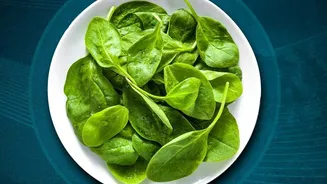
Leafy greens like spinach, kale, and fenugreek (methi) are nutritional powerhouses, packed with essential minerals. However, the iron found in these and other plant-based foods, known as non-heme iron, presents a challenge. Unlike heme iron from animal
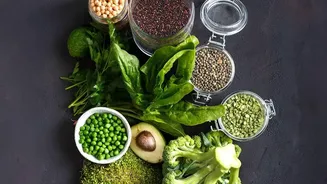
sources, which the body absorbs quite easily, non-heme iron is less bioavailable. This means your body has a harder time absorbing and using it. Several naturally occurring compounds in plant foods, such as phytates (found in whole grains and legumes) and oxalates (found in spinach and beets), can bind to this iron and inhibit its absorption. Even polyphenols in tea and coffee can significantly reduce how much iron your body takes in from a meal.
Vitamin C: The Absorption Superhero
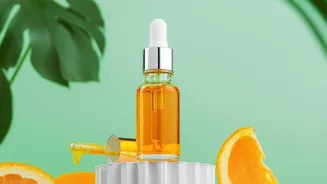
This is where Vitamin C, or ascorbic acid, comes to the rescue. When consumed in the same meal, Vitamin C acts as a powerful enhancer for non-heme iron absorption. It works its magic in two key ways. First, it helps convert the iron from its hard-to-absorb ferric form (Fe3+) into the much more soluble ferrous form (Fe2+), which your gut can readily take in. Second, it forms a soluble compound with the iron, keeping it available for absorption and preventing it from being locked up by inhibitors like phytates. So, how significant is this effect? Studies have shown that Vitamin C can increase non-heme iron absorption several times over. The claim that it 'doubles' absorption is not an overstatement; in some cases, depending on the meal's composition, the increase can be even more dramatic. This makes it one of the most effective and scientifically-backed strategies for boosting your iron levels from plant-based diets.
Does It Work for Other Minerals?
While the effect of Vitamin C is most pronounced and well-documented for non-heme iron, its benefits don't stop there entirely. Vitamin C is crucial for overall health, playing a key role in immune function and collagen synthesis, which is essential for healthy bones and skin. Some research also suggests a beneficial relationship between Vitamin C and other minerals. For instance, adequate Vitamin C is associated with better bone mineral density, especially when paired with calcium. However, it's important to note that the direct, dramatic absorption-boosting effect seen with iron is the most significant interaction. The main takeaway remains the powerful synergy between Vitamin C and plant-based iron.
Easy and Delicious Pairings
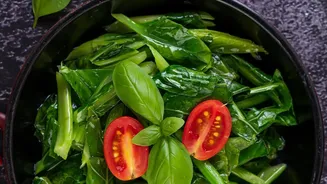
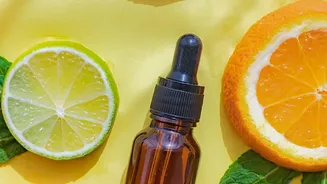
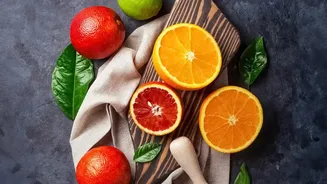
Putting this science into practice is both simple and delicious. The goal is to combine your iron-rich leafy greens with a source of Vitamin C in the same meal. A squeeze of lemon or lime is often all it takes. Think about a hearty spinach or dal curry finished with a generous squeeze of lime juice. A classic Indian kachumber salad with tomatoes, onions, and cucumber dressed with lemon juice is another excellent example. When making a green smoothie with kale or spinach, blend in a whole orange or some amla (Indian gooseberry) for a powerful nutrient boost. A simple spinach salad becomes far more beneficial when tossed with a lemon-based vinaigrette and some sliced bell peppers.
Beyond Just Citrus
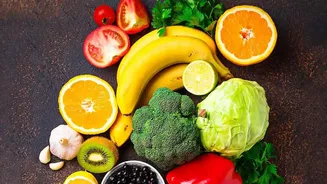
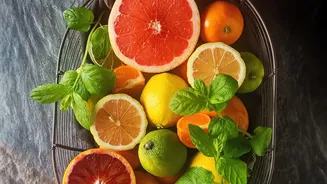
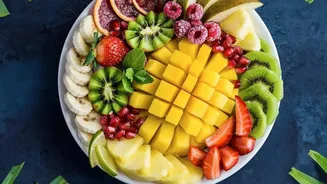
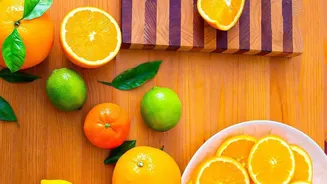
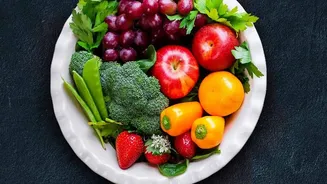
While citrus fruits like lemons, limes, and oranges are fantastic and convenient sources of Vitamin C, many other common foods are also rich in this nutrient. Brightly coloured fruits and vegetables are often a good indicator. Tomatoes, especially in a concentrated form like tomato paste, are a great source and pair naturally with many lentil and bean dishes. Bell peppers (capsicum), particularly the red and yellow varieties, are loaded with Vitamin C and can be added to stir-fries, salads, or curries alongside greens. Other excellent sources include strawberries, broccoli, cantaloupe, and kiwi, offering a wide variety of options to ensure you're always maximizing your mineral intake.