




The Search for Something More
The modern Indian traveller is evolving. The long-held tradition of visiting a destination simply to see its most famous landmarks is giving way to a more profound desire: to experience a place, not just observe it. Recent analysis shows a significant
shift in travel priorities, with a majority of Indian travellers now expressing a greater interest in exploring culture within India itself. This isn't just about a passive appreciation of history; it's an active search for immersion. Travellers are increasingly planning entire holidays around specific cultural experiences, whether it's attending a vibrant local festival, learning a traditional craft, or exploring the unique culinary landscape of a region. The motivation is clear: people want to forge a genuine connection with the places they visit, understanding the local way of life rather than just standing on the outside looking in. This trend reflects a broader global movement towards 'passion-tourism' where emotional and cultural resonance are the real destinations.
Introducing the Cultural Resonance Index
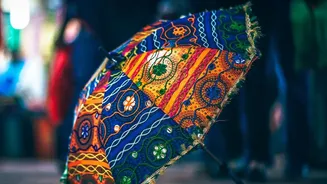
In response to this growing demand for authenticity, a consortium of tourism boards and data analysts has launched the 'Cultural Resonance Index'. This new tool moves beyond simple metrics like tourist footfall or the number of monuments. Instead, it measures and ranks destinations based on the depth and accessibility of their cultural offerings. The index was unveiled to address the finding that while culture has always been part of travel, it is now becoming the primary reason for the trip itself. The index aims to empower travellers by providing a clear guide to places where they can find truly immersive experiences. It’s designed for the tourist who wants to participate in a block-printing workshop in Rajasthan, learn about the intricacies of Kathakali in Kerala, or understand the living history of Varanasi's ghats. By quantifying these opportunities, the index provides a roadmap for a more meaningful way to travel.
How the Index Measures Culture
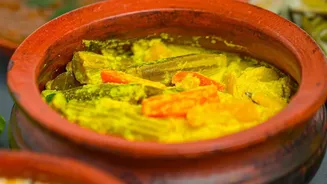
So, how does one measure something as intangible as culture? The Cultural Resonance Index uses a multi-faceted approach. It evaluates destinations on several key pillars that contribute to an authentic experience. These include the availability of community-led tours, the preservation of local heritage and crafts, the vibrancy of regional culinary traditions, and the accessibility of local festivals to visitors. For instance, a destination scores highly if it has robust support for local artisans, allowing travellers to engage with them directly. It also rewards places that offer homestays or heritage properties, which provide deeper insight into local life than a standard hotel. The index considers the 'cultural truth' of a place—how well its modern identity is connected to its historical roots. By analysing these factors, it creates a score that reflects a destination's true cultural wealth and its willingness to share it authentically with visitors.
A New Lens for Exploring India
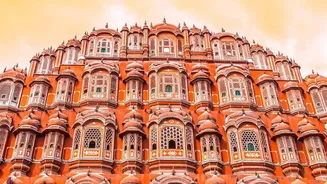
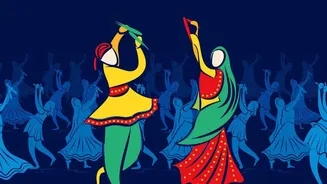
For Indian travellers, this index is a powerful tool for rediscovering our own nation's incredible diversity. With heritage and historical sites being the strongest motivator for cultural trips, the index helps spotlight lesser-known gems alongside established hubs. While destinations like Rajasthan and Kerala understandably rank high for their architectural marvels and living traditions, the index also brings focus to regions like Northeast India for its unique tribal festivals or Tamil Nadu for its magnificent temple culture. It encourages travellers to look beyond the major metros and explore Tier 2 and Tier 3 towns where many of India's richest cultural traditions are preserved. Whether it's planning a trip around Durga Puja in Kolkata, Ganesh Chaturthi in Maharashtra, or the Hornbill Festival in Nagaland, the index provides the data to back up the desire for a culturally rich itinerary.
Planning Your Own Immersive Journey
Inspired to plan a trip with culture at its heart? You can start even without a formal index. Begin by reversing your planning process: instead of picking a place, pick an experience you want to have. Do you want to learn a new skill, taste a specific regional cuisine, or witness a particular festival? Let that be your guide. Look for accommodations that offer cultural immersion, such as heritage hotels or family-run homestays. Prioritize activities that connect you with local people, such as hiring local guides for walking tours or participating in community-run workshops. Finally, travel slowly. The most meaningful cultural experiences often happen spontaneously—in a conversation at a local market or during an unplanned detour. Embracing this mindset is the first step towards a journey that is not just a vacation, but a genuine exchange.