





Breaking the Guilt Cycle
For years, the narrative around festive eating has been one of extremes. It's a cycle of restriction followed by overindulgence, where every celebration is framed as a 'cheat meal' — a term that implies doing something wrong. This black-and-white thinking
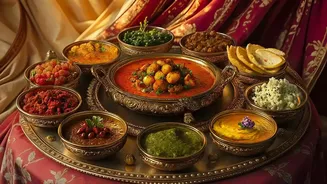
often leads to feelings of guilt and shame, which can ironically trigger more overeating. Nutritionists point out that this all-or-nothing mentality is not sustainable. Starving yourself before a party often backfires, leading to bloating and consuming more calories than you normally would. The new approach is not about deprivation but about ditching the 'cheat' label altogether and embracing moderation. After all, as experts note, it's what you do year-round that has the biggest impact, not what you enjoy over a few days of celebration.
The Power of Mindful Indulgence
The secret to enjoying festive food guilt-free lies in mindful eating. This practice is about being present and paying full attention to your food—the flavours, textures, and smells. By eating slowly and savouring each bite, you give your body time to register fullness, which helps prevent overeating. Listening to your body's hunger and satisfaction cues is a core component of this approach. Instead of mindlessly sampling every dish on the table, the focus shifts to choosing the treats you truly love and enjoying them without distraction. This conscious approach helps you feel satisfied with smaller amounts and fosters a healthier, more positive relationship with food, turning a moment of potential guilt into one of genuine pleasure.
Smart Strategies for the Festive Plate
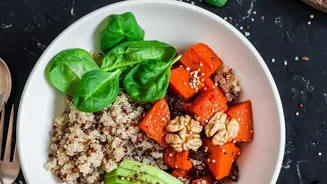
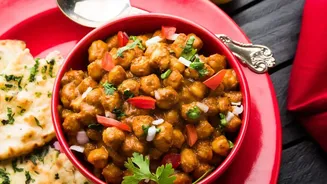
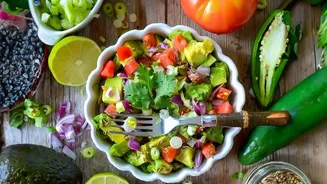
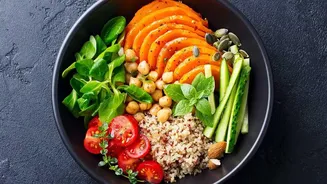
A balanced plate is a powerful tool for navigating festive spreads. Nutrition experts suggest a simple rule of thumb: fill half your plate with vegetables or salad, a quarter with protein (like dal, paneer, or chicken), and the final quarter with carbohydrates such as rice or roti. This ensures you get a mix of essential nutrients and fibre, which helps you feel full and regulates digestion. Another popular tip is to have a small, healthy snack before heading to a party. A piece of fruit, a handful of nuts, or a bowl of yoghurt can curb intense hunger, making you less likely to overindulge on high-calorie snacks upon arrival. Staying hydrated by drinking plenty of water is also crucial, as thirst is often mistaken for hunger.
Healthier Swaps and Preparation
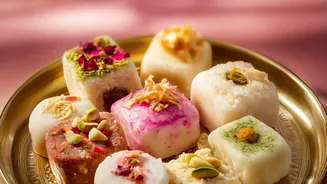
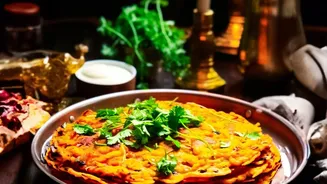
Enjoying traditional flavours doesn't have to mean compromising on health. Many families are now opting for smarter cooking methods and ingredient swaps. Baking or air-frying snacks like samosas and chaklis instead of deep-frying them is a popular choice. When making sweets at home, refined sugar can be replaced with natural sweeteners like jaggery, dates, or honey. Opting for homemade sweets and snacks gives you control over the ingredients, ensuring better quality fats and less sugar. Even when it comes to classic deep-fried foods, some nutritionists suggest that enjoying them guilt-free is possible if you use traditional, high-quality oils and avoid reusing the oil. These small changes allow for the preservation of tradition while supporting well-being.
Beyond the Meal: A Holistic Approach
A truly balanced festive season involves more than just food. Maintaining a level of physical activity is key. It doesn't have to be an intense gym session; even a brisk walk after a meal can aid digestion and help offset extra calories. Incorporating movement into family fun, like playing games or dancing, boosts your mood and well-being. Prioritising sleep is equally important, as late nights and fatigue can disrupt hunger hormones and lead to cravings. Finally, managing beverages is a simple but effective strategy. Limiting sugary cocktails and alternating alcoholic drinks with water helps reduce empty calories and keeps you hydrated. By taking a holistic view, the festive season becomes a time for comprehensive nourishment of body and spirit.