





A Shift Beyond the Standard Grains
For decades, Indian fields and kitchens were dominated by a handful of high-yield rice varieties, a legacy of the Green Revolution. While this ensured food security, it came at the cost of diversity. India was once home to an estimated 100,000 different
rice varieties, each adapted to a specific micro-climate and possessing a unique profile. Today, a new generation of chefs and discerning home cooks are leading a movement to bring these lost grains back to the table, driven by a search for flavour, health benefits, and a deeper connection to their culinary heritage. They are moving away from the polished, uniform grains that have become the norm and embracing the rich tapestry of indigenous rice.
A Quest for Flavour and Terroir
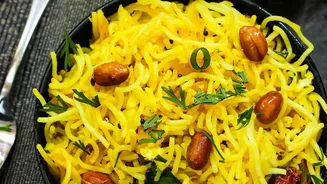
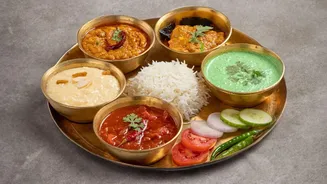
A primary driver of this rediscovery is taste. Young cooks are realising that heirloom rice offers a spectrum of aromas, textures, and flavours that mass-produced varieties simply cannot match. Much like wine, rice has terroir. West Bengal's Gobindobhog, a short-grain aromatic rice, has a sweet, buttery flavour perfect for kheer and khichuri. Assam's Joha rice is prized for its delicate aroma, while Kerala's red Matta rice has a robust, earthy character. Chefs are using these distinct characteristics to create innovative dishes. They are finding that a biryani made with fragrant Kaima rice or a risotto with sticky Bora rice from Assam offers a completely new culinary experience. This ingredient-led approach allows them to tell a story about a specific region through its native grain.
The Powerful Pull of Wellness
The trend is also deeply intertwined with a growing wellness consciousness. Many traditional rice varieties are nutritionally superior to their modern, highly polished counterparts. Indigenous black and red rice varieties, for example, are often rich in antioxidants, fibre, and minerals like magnesium and potassium. Some, like the famed Navara rice from Kerala, are known for their medicinal properties in Ayurveda. For health-conscious young Indians, switching to these traditional grains is a simple way to enhance the nutritional value of their daily meals without sacrificing a beloved staple. Many of these varieties are also more easily digestible and have a lower glycemic index, offering sustained energy release.
A Return to Roots and Sustainability
For many, choosing regional rice is an act of cultural and environmental preservation. These heirloom varieties are often more resilient and better adapted to local conditions, including droughts, floods, and saline soil. By creating a market for these grains, cooks and consumers support small-scale farmers who act as guardians of this crucial biodiversity. These farmers, through community seed banks and generations of knowledge, are ensuring that climate-resilient strains don't disappear. This farm-to-table connection resonates strongly with a generation that values sustainability and authenticity. Cooking with a heritage grain is a way to honour the wisdom of ancestors and invest in a more resilient agricultural future for India.