






The End of the Monolithic Holiday
For generations, the idea of a holiday in India was a singular, grand event. Families would save up, plan for months, and embark on a long trip, often for a week or more. That model is now rapidly changing. Reports indicate a significant pivot towards
what's being called a 'micro-holiday economy'. Instead of one big trip, travellers are now taking multiple shorter ones, sometimes as many as six a year, with some younger travellers even hitting double digits. According to a recent Airbnb report, a staggering seven in ten Gen Z travellers would rather take three short trips than one long annual holiday. It's a fundamental rewiring of how Indians perceive and consume leisure.
Economic Sense and Financial Flexibility
One of the most significant drivers of this trend is simple economics. Spreading travel costs across several smaller trips is far more manageable for many household budgets than saving for a single, expensive annual holiday. The rise of low-cost carriers has democratised air travel, making flights more affordable and accessible for a wider segment of the population. This, combined with a boom in budget-friendly and boutique accommodation options, means a weekend getaway is no longer a major financial decision. It can be planned and paid for with much less friction, turning travel from a rare luxury into a regular lifestyle choice.
The Modern Work-Life Paradox
Today’s 'always-on' work culture is a double-edged sword. While it creates stress and burnout—a key reason people seek escape—it can also offer flexibility. For many, taking an uninterrupted two-week leave is harder than ever. However, the rise of hybrid and remote work models means professionals can often blend work and leisure. Many now work remotely on a Friday or a Monday, easily extending a weekend into a three-day mini-vacation without dipping into their official leave balance. These quick breaks have become a necessary tool for managing work-related exhaustion, with experts suggesting short breaks every few weeks are more effective for preventing burnout than one long holiday.
A Generation Driven by Experience
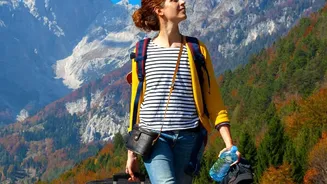
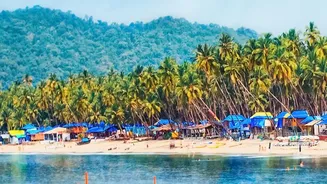
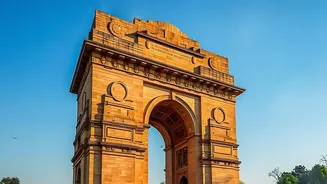
For younger Indians, particularly millennials and Gen Z, life is increasingly about collecting experiences rather than possessions. Travel is seen as an act of self-expression. This generation prioritises unique, personal, and authentic experiences, and taking multiple, varied trips aligns perfectly with this mindset. They might explore the mountains one month, a coastal town the next, and a historical city after that. This desire for variety is also amplified by social media, where a constant stream of new destinations and activities encourages a more diverse travel portfolio. Research shows that young travellers get more value from the shared moments of a trip, and who they travel with often matters more than the destination itself.
Spontaneity in a Connected World
The days of booking through a travel agent months in advance are fading. Technology has empowered travellers to be their own planners. With improved infrastructure, better roads, and more flights connecting smaller towns, weekend destinations are more accessible than ever. This has fuelled a culture of spontaneity. Travel reports show a significant number of bookings, especially for domestic trips and staycations, are made just days before travel, sometimes even on the same day. The decision to take a trip is no longer a monumental one; it’s a quick response to a long weekend, good weather, or simply the need to disconnect.