
A Different Kind of Green
For many elite cricketers, golf is more than just a hobby; it’s a necessary escape. After spending hours under immense pressure in noisy stadiums, the golf course offers a tranquil environment. Ajit Agarkar, a former Indian fast bowler who won a corporate
golf tournament, described it as a peaceful space with just the player, the ball, and the club. This switch from a team-based, high-octane sport to a solitary, methodical one provides a crucial mental reset. England captain Ben Stokes noted that a four-hour round of golf is a way to switch off from the stresses of international cricket, calling it a vital tool for relaxation and team bonding. It’s a chance to compete against oneself rather than an opposing team.
The Mental Crossover
The psychological demands of cricket and golf are surprisingly similar. Both require immense concentration, strategic thinking, and the resilience to recover from a poor shot or a bad delivery. Vernon Philander, a former South African cricketer, calls golf a game “played between the two ears,” highlighting the intense mental focus required. Legendary batsman Sachin Tendulkar, a more recent convert to the game, believes golf is one of the toughest sports due to the concentration it demands. This mental discipline, honed over years on the cricket pitch, gives cricketers a head start on the fairway. The ability to visualize a shot, plan a hole, and maintain composure under pressure are skills that translate directly from one green to another.
It's All in the Swing
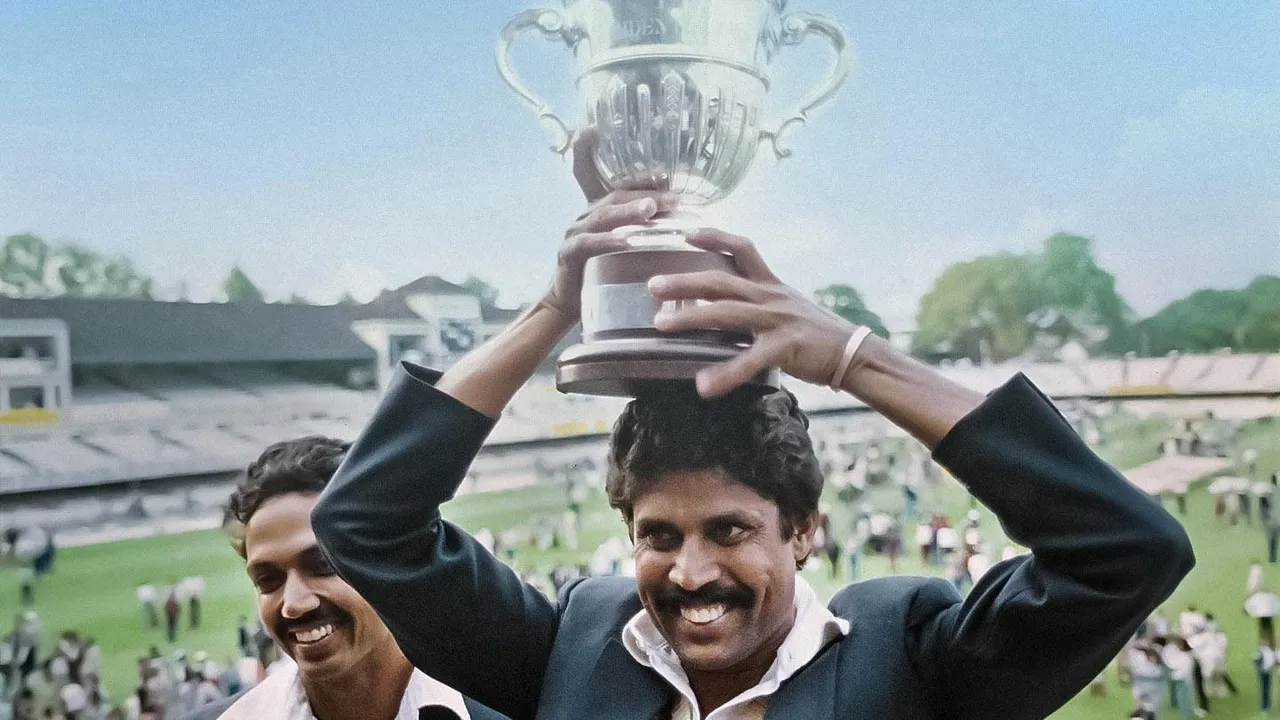
The technical parallels between a cricket stroke and a golf swing are a key reason for the crossover. While there are differences—a golf swing requires the right elbow to be tucked in, unlike a cover drive—the core mechanics are familiar. Both actions depend on timing, hand-eye coordination, and generating power through body rotation. Kapil Dev, India's 1983 World Cup-winning captain, notes that timing and grip are crucial in both sports to ensure a clean impact. South African batsman Temba Bavuma feels the effortlessness of his golf swing comes directly from his cricket technique, where he focuses on timing the ball into gaps. This natural adaptation of their existing skill set makes the transition to golf feel intuitive for many cricketers.
From Legends to the New Guard
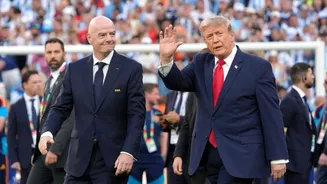
The trend of cricketers taking up golf spans generations and continents. In India, Kapil Dev is the original cricketer-golfer, taking up the sport immediately after retiring in 1994 and becoming an accomplished amateur player and now the president of the Professional Golf Tour of India. M.S. Dhoni is frequently seen on the course, even playing alongside former US President Donald Trump. Internationally, the list is long. Australians Ricky Ponting and Glenn Maxwell are known for their powerful games and low handicaps. Ponting was considered so naturally talented that golf legend Gary Player suggested he should have been a professional golfer. England's Kevin Pietersen and James Anderson, and West Indies icon Sir Viv Richards, are also passionate and skilled golfers.
The 19th Hole: Networking and Life After Cricket
Beyond the mental and physical aspects, golf provides a unique social platform. It offers a space for cricketers to unwind, connect with people outside their immediate circle, and even conduct business in a relaxed setting. Australian captain Alyssa Healy loves the social aspect, enjoying weekly games with different groups. For retired players, it offers a new competitive outlet. Ajit Agarkar, for example, has found success in the corporate golf circuit. Kapil Dev has noted that golf is a social equaliser where an ordinary person can play alongside a company CEO, creating unique networking opportunities. For many, it's not just a pastime but a pathway to a fulfilling life after their primary sporting career has ended.