




Squats and lunges are the undisputed champions of lower-body strength, essential for everything from climbing stairs to improving athletic power. But unlocking their true potential isn't about speed or reps—it's about getting the form right.
Why Perfect Form Is Your Foundation
Before chasing
a high number of reps or adding heavy weights, mastering the basic form of any exercise is critical. Proper technique ensures you are targeting the correct muscles—in this case, primarily the quadriceps, hamstrings, and glutes. More importantly, it protects your joints, especially your knees and lower back, from unnecessary strain and potential injury. Good form trains your body to move efficiently and safely, creating a solid foundation upon which all future strength gains are built. Rushing the process or using momentum can lead to imbalances and setbacks. Slow, controlled movements are your best tool for building real, lasting strength.
Breaking Down the Perfect Bodyweight Squat
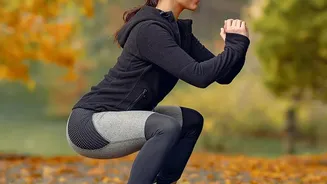
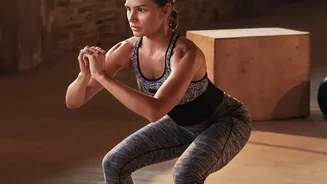
The bodyweight squat is a fundamental movement that mimics the daily action of sitting and standing. To perform it correctly, start by standing with your feet slightly wider than your hips, with your toes pointing slightly outward. Keep your chest up and engage your core. Initiate the movement by pushing your hips back as if you're about to sit in a chair, then bend your knees. Lower yourself until your thighs are parallel to the floor, or as deep as you can comfortably go while keeping your back straight and heels flat on the ground. Drive through your heels to return to the starting position, squeezing your glutes at the top. Your knees should track in line with your toes throughout the movement and not cave inward.
Common Squat Mistakes to Avoid
Several common errors can undermine your squat. One of the biggest is allowing your knees to collapse inward, which puts rotational stress on the joint. To fix this, consciously push your knees out. Another frequent mistake is lifting your heels off the floor, which often indicates tight ankle mobility or that you're leaning too far forward. Focus on keeping your weight distributed across your entire foot. Finally, watch out for rounding your lower back, sometimes called a 'butt wink', especially at the bottom of the squat. This can strain your spine. If this happens, reduce your depth until you can maintain a neutral spine.
The Essential Guide to the Forward Lunge
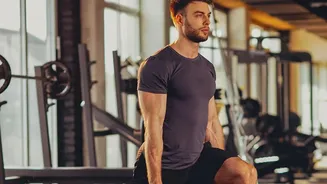
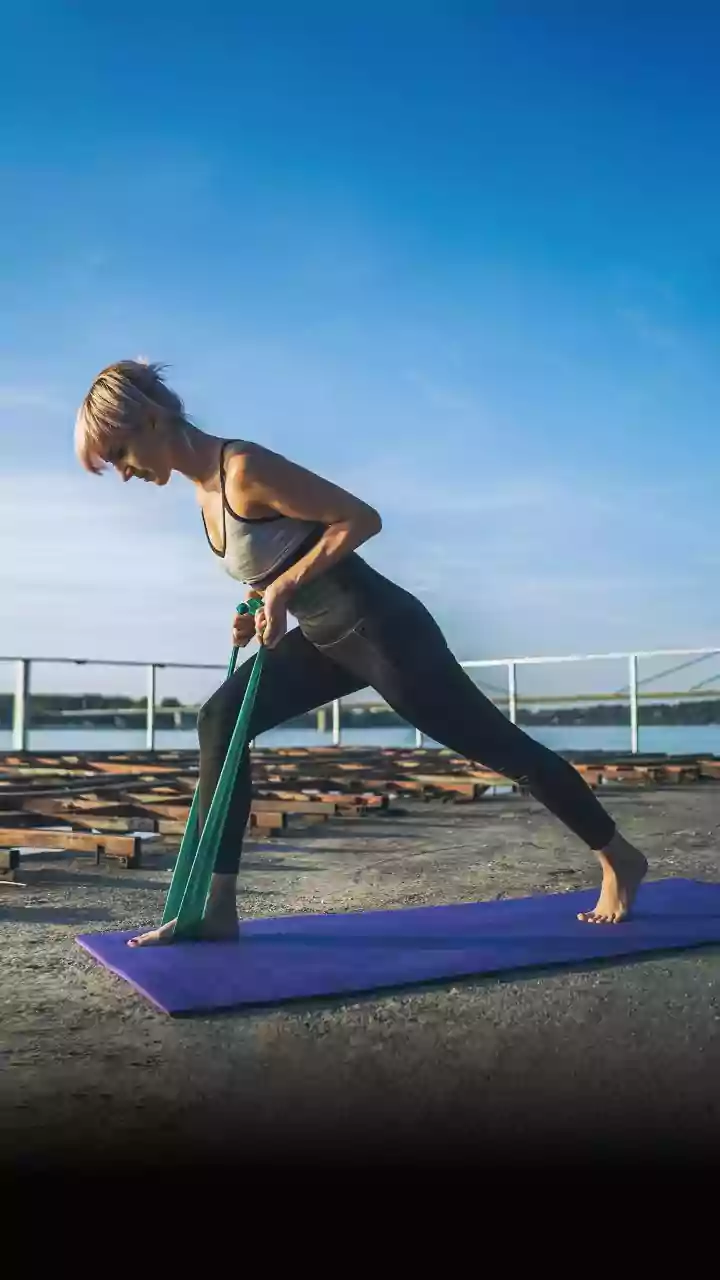
Lunges are excellent for building single-leg strength and stability. To start, stand tall with your feet hip-width apart and your core engaged. Take a controlled step forward with one leg. Lower your hips until both knees are bent at approximately a 90-degree angle. Your front knee should be directly above your ankle, and your back knee should hover just above the floor without touching it. Keep your torso upright and your weight in your front heel. Push off your front foot to return to the starting position. Repeat on the other side. Maintaining a hip-width stance, rather than stepping as if on a tightrope, is key for balance.
Lunge Pitfalls and How to Fix Them
The most frequent lunge mistake is letting the front knee travel too far past the toes, which places excessive pressure on the knee joint. Taking too short of a step is often the cause. Ensure your stride is long enough to achieve those 90-degree angles. Another issue is an unstable or wobbling front knee, which points to weak hip stabilisers like the gluteus medius. Slowing down the movement and focusing on keeping the knee aligned over your foot can help. Leaning your torso too far forward is also common, often due to a weak core or trying to maintain balance. Keep your chest lifted and your gaze forward to maintain an upright posture.
Building Your Thighs Strengthening Routine
Incorporating both squats and lunges into your routine provides a comprehensive lower body workout. As a beginner, aim for 2–3 sets of 8–12 quality repetitions of each exercise, using just your body weight. Focus entirely on slow, controlled movements. Once you can comfortably complete your sets with perfect form, you can progress by increasing the number of reps or adding light weights, like dumbbells. Consistency is key. Performing these exercises two to three times a week will effectively strengthen your quads, glutes, and hamstrings, leading to stronger thighs and improved functional fitness for daily life.