





The Myth of 'Guilt-Free'
Walk down any supermarket aisle and you'll find packages screaming “baked, not fried,” “all-natural,” “high-fibre,” and “no added sugar.” These phrases are designed to make us feel good about our choices. The problem is, these terms are often marketing
ploys, not guarantees of health. In India, the food regulator FSSAI is cracking down on unsubstantiated health claims, but the front of the pack remains a brand's advertising space. A snack can be “baked” yet loaded with unhealthy fats, or “natural” while being packed with hidden sugars like maltodextrin or fruit juice concentrate. The term “guilt-free” has become a confusing catch-all that focuses on emotion rather than nutrition. True healthy snacking isn't about eliminating guilt; it's about gaining clarity.
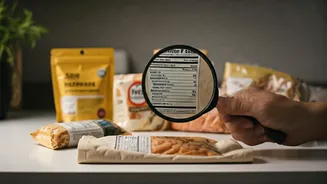
Rule 1: Ignore the Front, Read the Back
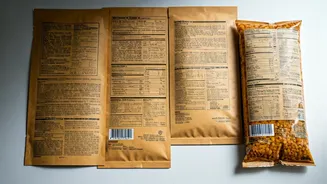
The single most important shift is to ignore the flashy claims on the front of the package and flip it over. The real story is in the nutrition label and the ingredients list. Ingredients are listed in descending order by weight, so the first three ingredients make up the bulk of the product. If you see refined flour (maida), sugar, or hydrogenated oils in the top three, the snack is likely not as healthy as it claims, regardless of any “multigrain” or “high-protein” badges on the front. A shorter ingredient list with recognizable, whole-food items is almost always a better sign.
Rule 2: Master the Serving Size Trick
Manufacturers often list nutritional information for an unrealistically small serving size. A packet of biscuits might show values for just three biscuits, knowing most people will eat at least double that. Before you check the calories or sugar, look at the serving size. Then, be honest about how many servings you're likely to consume and multiply the numbers accordingly. This simple step reveals the true nutritional cost of your snack and is one of the most common traps for consumers trying to make healthy choices.
Rule 3: Become a Sugar Detective
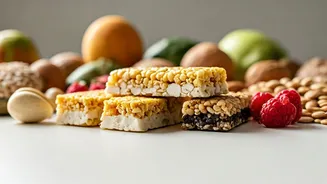
Sugar hides under many names: high-fructose corn syrup, dextrose, maltodextrin, brown rice syrup, and agave nectar are just a few. Even products with “no added sugar” can contain fruit juice concentrate, which is still a form of sugar. On the nutrition panel, look for “Total Sugars.” A good rule of thumb for a single serving of a packaged snack is to aim for under 5 grams of sugar. Anything over 10-12 grams per serving should be considered a treat, not a daily health food. Many so-called healthy options like flavoured yogurts and granola bars can contain as much sugar as a dessert.
Rule 4: Prioritise Protein and Fibre
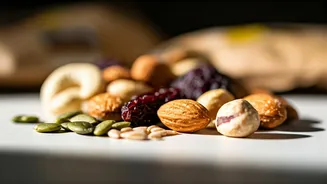
What makes a snack truly satisfying and beneficial is its ability to keep you full and provide sustained energy. Protein and fibre are the key players here. They slow digestion, prevent blood sugar spikes, and stop you from feeling hungry again minutes after eating. When you read the label, check for protein and fibre content. A snack with less than 2g of protein per serving won't offer much satiety. This is why whole foods often make the best snacks. Options like roasted chana, a handful of nuts, sprouts chaat, paneer cubes, or a hard-boiled egg are naturally rich in these nutrients.
Rule 5: Choose Whole Foods First
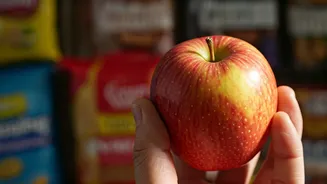
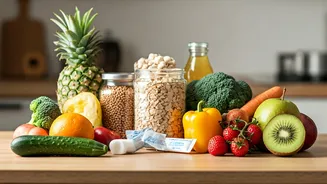
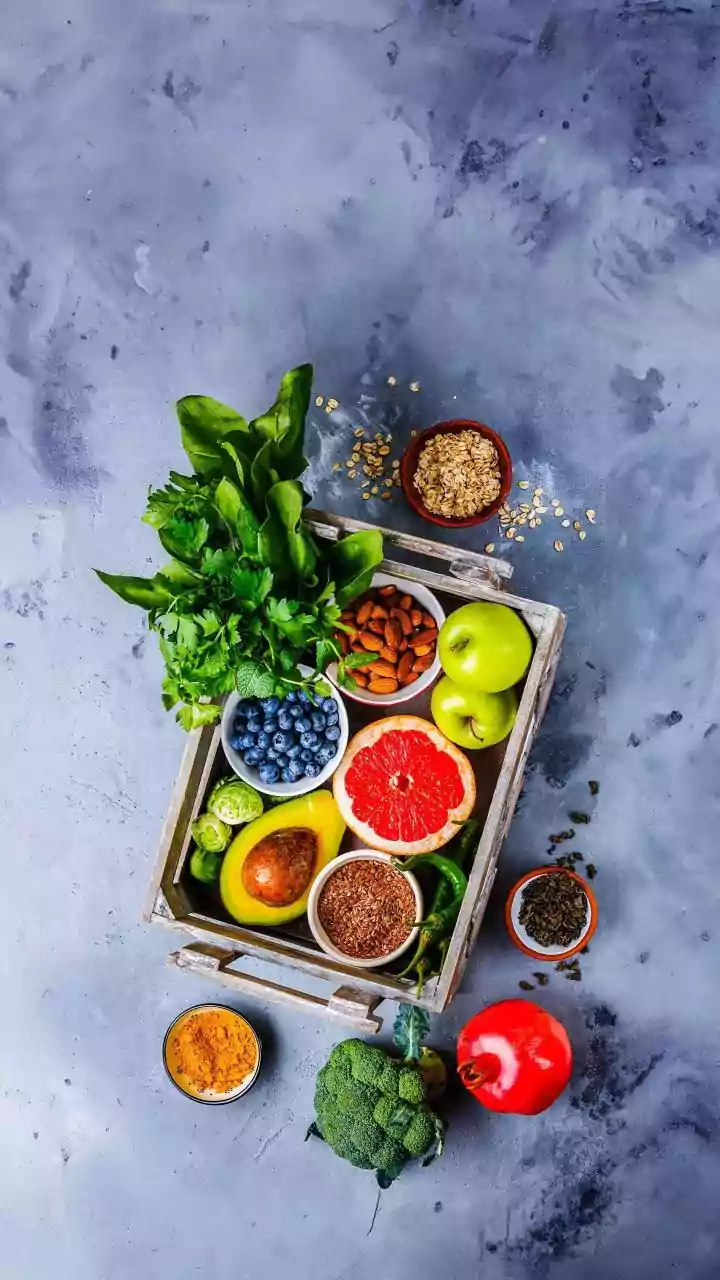
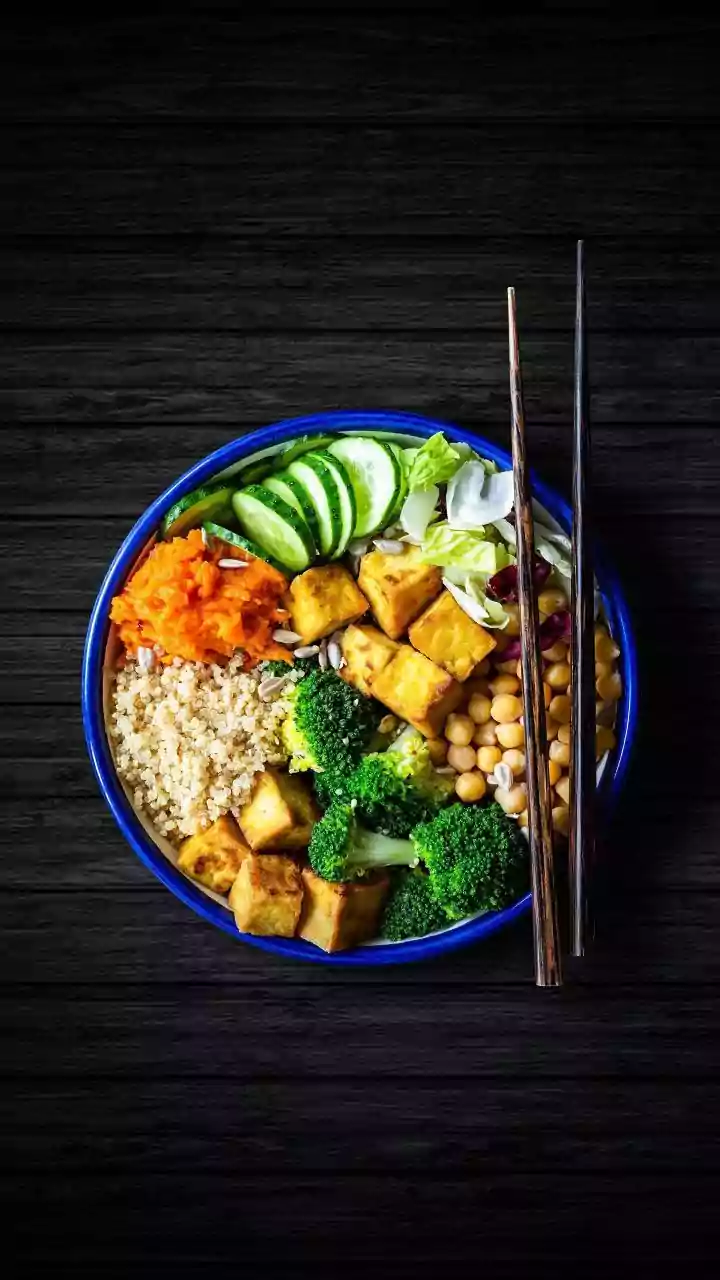
The easiest way to avoid the confusion of packaged snacks is to choose whole, unprocessed foods whenever possible. Traditional Indian snacking habits have always embraced this. Think of roasted makhana, fresh fruit chaat, or a simple bowl of curd with seeds. These options are naturally free from hidden sugars, trans fats, and long lists of artificial ingredients. While packaged snacks offer convenience, building your snacking routine around whole foods ensures you're getting nutrients without the misleading marketing. A balanced snack often combines a source of protein, fibre, and healthy fat—like an apple with peanut butter or hummus with cucumber sticks.