



A New Era of Accessibility
For years, the promise of India was tempered by the challenges of getting around. That narrative is changing, and fast. A nationwide infrastructure overhaul is making the country more accessible than ever. The government's UDAN scheme is connecting once-remote
towns to the national air map, with plans for over 100 new aerodromes. This means destinations that once required long, arduous journeys are now just a short flight away. Major investments in expanding national highways and developing new railway lines are also cutting down travel times between cities. This focus on connectivity isn't just about convenience; it’s about unlocking the country's vast potential. Initiatives like Swadesh Darshan 2.0 and special funding for developing 50 new tourist destinations are channelling investment into creating integrated travel circuits instead of isolated attractions. For the 2027 traveller, this translates to smoother, faster, and more integrated journeys, allowing for deeper exploration with less time spent in transit.
Beyond the Beaten Path
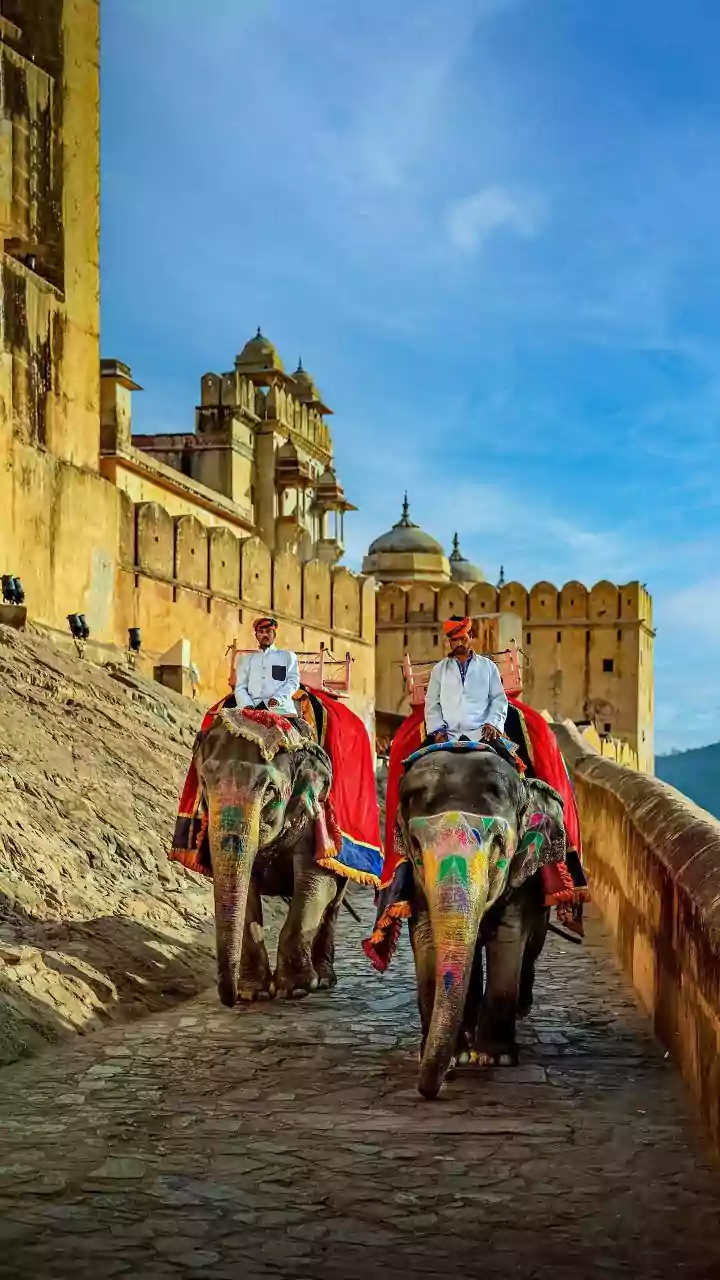
While the Golden Triangle will always be iconic, the future of travel in India lies in its lesser-known corners. A remarkable 55% of Indian travellers are already looking to explore offbeat destinations in the coming year, a trend that points to a broader shift away from crowded tourist hubs. This desire for authenticity is being met with a focused push to develop and promote new locations. States are receiving funding to transform overlooked spots into sustainable tourist sites, from the historical ruins of Rang Ghar in Assam to the tranquil Matsyagandha Lake in Bihar. This move helps ease the pressure on popular places while spreading the economic benefits of tourism to more communities. Travellers in 2027 will find a country ready to showcase its incredible diversity, from the eco-lodges of the Western Ghats to the emerging adventure hubs in the Himalayas. The narrative is shifting from a few key highlights to a mosaic of countless unique experiences, inviting visitors to create their own unique itineraries.
The Rise of Conscious Travel
The global conversation around sustainability has found fertile ground in India. The government has introduced a National Strategy for Sustainable Tourism, aiming to build a more resilient, inclusive, and resource-efficient industry. This isn't just policy; it's a movement that is reshaping travel on the ground. There is a growing network of eco-friendly accommodations, community-led tourism projects, and conservation-focused experiences. Travellers are increasingly seeking trips that have a positive impact, whether by staying in a homestay that supports a local family or visiting a national park where tourism funds wildlife protection. This trend toward slower, more mindful travel aligns with a deeper desire to connect with a place and its people authentically. India's approach goes beyond just reducing environmental impact; it's about actively using tourism as a force for good, preserving both natural landscapes and cultural heritage for generations to come.
A Global Hub for Wellness
India has long been the cradle of ancient wellness traditions like Ayurveda and yoga, but today it is a booming, modern wellness destination. The Indian wellness tourism market is projected to grow significantly, reaching an estimated USD 61.51 billion by 2034. This growth is driven by a new generation of travellers seeking to disconnect, recharge, and prioritise their health. The options are more diverse than ever, ranging from luxurious, all-inclusive retreats like Ananda in the Himalayas to traditional Ayurvedic centres in Kerala and yoga ashrams in Rishikesh. This trend isn't just for international visitors; a rising health consciousness within India is also fuelling demand. For the 2027 traveller, India offers an unparalleled opportunity to embark on a journey of personal wellbeing, combining ancient healing practices with world-class hospitality in some of the world's most serene settings.
A Culinary Renaissance
Travel is increasingly driven by the palate, and India's culinary landscape is finally getting the global recognition it deserves. Food is no longer an afterthought but a primary motivation for visiting, with travellers seeking authentic, experience-based journeys. The culinary tourism market in India is projected to be worth nearly USD 16 billion in 2026, a testament to its growing appeal. This renaissance is about more than just great restaurants. It’s about immersive experiences: taking cooking classes, touring spice plantations, and exploring bustling street food markets. Government initiatives are helping to promote regional food experiences and GI-tagged products, connecting travellers directly with local farmers and producers. This farm-to-table approach not only enriches the visitor experience but also provides vital economic support to rural communities. In 2027, discovering India through its food will be one of the most rewarding ways to travel.