





The Myth of the 'Perfect' Diet
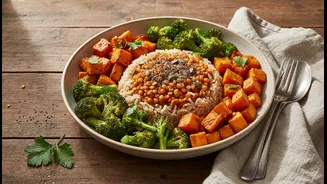
Scroll through social media, and you'll be flooded with images of flawless meals and promises of a 'perfect' diet that will solve all your problems. One day it’s keto, the next it’s paleo, then it’s a juice cleanse. The goalposts are always moving, creating
a culture of nutritional anxiety. This relentless pursuit of an ideal diet often leads to a cycle of restriction, guilt, and eventual failure. The problem is that a universally 'perfect' diet doesn't exist. Nutritional needs are highly individual, depending on age, activity level, genetics, and cultural context. What works for a celebrity or influencer might not work for you. This chase for perfection can quickly become an unhealthy obsession. It can lead to a condition known as orthorexia nervosa, an extreme fixation on eating only 'pure' or 'healthy' foods. This obsession can ironically lead to nutritional deficiencies and significant emotional distress, damaging your relationship with food and isolating you from social situations involving meals.
The Power of an 'Adequate' Diet
So, what's the alternative? An 'adequate' diet. The term sounds modest, but its power lies in its practicality and focus on foundations. According to the World Health Organization, a healthy diet is built on four principles: adequacy, balance, moderation, and diversity. Adequacy means getting enough energy, macronutrients (carbohydrates, proteins, fats), and micronutrients (vitamins, minerals) to meet your body's functional needs without causing deficiencies. For the average Indian adult, this means building meals around a variety of whole foods. Think of the classic Indian thali: a balanced plate featuring whole grains like roti or brown rice, a protein source like dal or paneer, plenty of seasonal vegetables, and a side of yoghurt. This approach ensures you get a wide range of nutrients consistently, which is far more beneficial than sporadic, 'perfect' eating days followed by days of compensatory indulgence.
Meeting Your Body's Real Needs
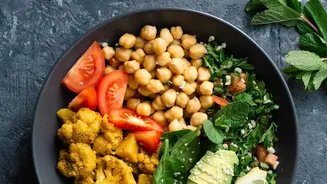
Focusing on adequacy shifts your mindset from restriction to nourishment. Instead of asking, "What should I cut out?" you start asking, "What can I add to meet my needs?" Your body requires carbohydrates for energy, protein for repair, and fats for hormone function. It needs fibre for digestion and a spectrum of vitamins and minerals for everything from immunity to bone health. An adequate Indian diet might include whole grains and millets for energy, legumes and dairy for protein, a variety of colourful vegetables and fruits for vitamins, and moderate use of healthy fats like mustard oil or ghee. The goal is not to count every calorie but to build a plate that is colourful, diverse, and satisfying. This approach provides steady energy, supports long-term health, and frees you from the constant mental gymnastics of a restrictive diet.
Embracing the 80/20 Rule
A practical way to implement an adequate diet is through the 80/20 rule. This principle suggests focusing on eating nutritious, whole foods 80% of the time, while allowing yourself to enjoy your favourite treats for the other 20% without guilt. This isn't a licence to overindulge, but rather a framework for balance and sustainability. It acknowledges that life includes celebrations, festivals, and cravings. Having a piece of cake at a birthday party or enjoying a samosa on a rainy day doesn't derail your health goals; in fact, allowing for this flexibility can make your healthy habits more sustainable in the long run. It prevents the feeling of deprivation that often leads to bingeing and helps you cultivate a healthier, more positive relationship with all foods.
Consistency Over Intensity
Ultimately, health is not a destination you arrive at through a week of perfect eating. It is a result of the small, consistent choices you make every day. An adequate diet, eaten consistently, is far more powerful than a 'perfect' diet followed inconsistently. Chasing perfection leads to burnout and a sense of failure, whereas aiming for adequacy builds confidence and lasting habits. By focusing on meeting your body's fundamental needs with a variety of whole foods, you create a foundation of health that is resilient, enjoyable, and truly sustainable. It allows you to enjoy food, participate fully in your culture, and live a life free from food-related guilt and anxiety. Let your diet be good enough, and you’ll find it’s more than enough for a healthy, happy life.