





The Modern Packing Solution
Vacuum compression bags are reusable plastic pouches designed to shrink soft, bulky items by removing air. They work through an airtight zip seal and a one-way valve. Once you've packed your clothes inside, you use a small, often travel-sized, hand pump
or simply roll the bag to force the air out through the valve. This process removes the air trapped between fabric fibers, dramatically reducing the volume of items like towels, sweaters, and other garments by as much as 60-80%. The result is a compact, dense package that takes up significantly less room in your weekend bag or carry-on, transforming how much you can comfortably fit.
The Beach Trip Game-Changer
For a humid beach weekend, these bags offer a dual advantage. Firstly, the airtight seal protects your clean, dry clothes from the damp, salty air upon arrival. Your evening outfits and sleepwear remain fresh and dry, no matter how humid it gets. Secondly, and perhaps more importantly, they solve the problem of the return journey. You can isolate wet swimsuits, sandy towels, and damp clothes in a compression bag. The waterproof, sealed environment prevents moisture from seeping into the rest of your luggage, protecting your electronics and clean souvenirs. It also contains any musty smells, ensuring everything else in your suitcase arrives home fresh.
Beyond Space: The Organizational Edge
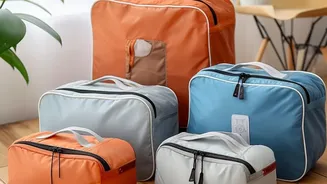
While the space-saving aspect is the main draw, the organizational benefits are just as compelling. You can use different bags to separate clothing types: one for beachwear, one for evening outfits, and another for undergarments. This compartmentalization makes finding what you need effortless, saving you from rummaging through your entire suitcase for a single item. Upon your return, having a designated bag for dirty laundry simplifies the unpacking process. You can take the laundry bag straight to the washing machine, keeping soiled clothes separate from anything you didn't wear.
Tips for Effective Compression
To get the most out of your vacuum bags, a few techniques help. Rolling your clothes tightly before placing them in the bag can help minimize creasing, which is a common downside of compression. Be careful not to overfill the bags; stop at the indicated 'fill line' to ensure you can get a perfect, airtight seal. When arranging the compressed pouches in your suitcase, stack them like flat panels to create a stable, organized interior. Finally, it's wise to pack one extra, empty bag. It takes up almost no space and is invaluable for separating dirty or damp laundry for the trip home.
What to Watch Out For
Despite their benefits, there are potential drawbacks. The most significant is that while these bags reduce volume, they don't reduce weight. It can be easy to pack more than you normally would and accidentally exceed airline weight limits for carry-on or checked baggage. Be mindful of the total weight as you pack. Additionally, compression can cause deep wrinkles in certain fabrics. Materials like linen and crisp cotton are more prone to creasing. It's best to either use the bags for more wrinkle-resistant items or be prepared to use a hotel iron or a travel steamer. For delicate natural fibers like wool or silk, prolonged compression is not recommended as it can damage the fibers.