


The Renaissance of Spice
For generations, the Indian spice box—the treasured 'masala dabba'—has been the heart of the kitchen. But today, that heart is beating to a new rhythm. The desire for 'spice' is no longer just about heat or the familiar garam masala. It’s about exploration.
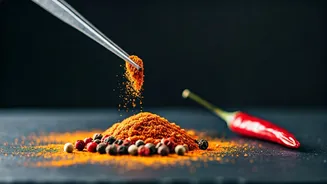
Home cooks are moving beyond generic powders and rediscovering the nuance of regional Indian cuisine. We're seeing a renewed interest in forgotten masalas from Chettinad, the smoky flavours of Naga chillies, and the complex sweetness of Kashmiri spices. This spice renaissance is also going global. A bottle of Gochujang now sits comfortably next to the tamarind paste, and Sriracha is drizzled with the same enthusiasm as green chutney. The internet and global travel have opened our palates. We don't just want to eat Thai green curry at a restaurant; we want to master it at home, sourcing authentic galangal and kaffir lime leaves. This isn’t about replacing Indian flavours, but expanding the definition of what a well-stocked Indian kitchen can be.
The Undeniable Allure of Ease
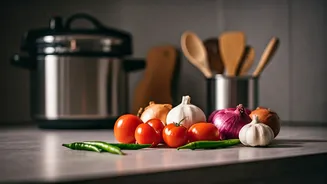
Let’s be honest: life is busy. The romance of grinding your own spices from scratch wears thin on a Tuesday night after a long day at work. This is where 'ease' becomes non-negotiable. But today’s convenience is not about compromising on quality. It's about smart shortcuts that deliver maximum flavour for minimum effort. This trend has fuelled a boom in high-quality, preservative-free cooking pastes, sauces, and ready-to-use 'tadka' mixes.
Think of it as culinary outsourcing. Why spend 30 minutes chopping onions and tomatoes when a premium base gravy can get you there in five? Meal kits, which provide pre-portioned ingredients for a specific recipe, are also gaining traction, taking the guesswork out of trying new dishes. The modern home cook isn’t lazy; they are efficient. They value their time and are willing to invest in products that allow them to create wholesome, delicious meals without spending hours chained to the stove.
Bring on the Drama
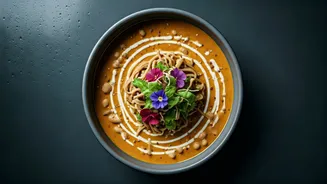
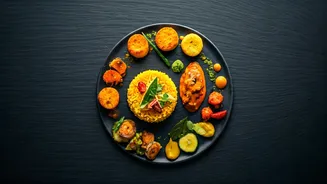
Perhaps the most fascinating shift is the demand for 'drama'. What does that even mean in a home kitchen? It’s the desire to replicate the experience of eating out, right at home. It’s the sizzle, the presentation, and the Instagram-worthy plating. It’s the ‘wow’ factor. The pandemic lockdowns played a huge role here, forcing us to become our own chefs, bartenders, and food stylists.
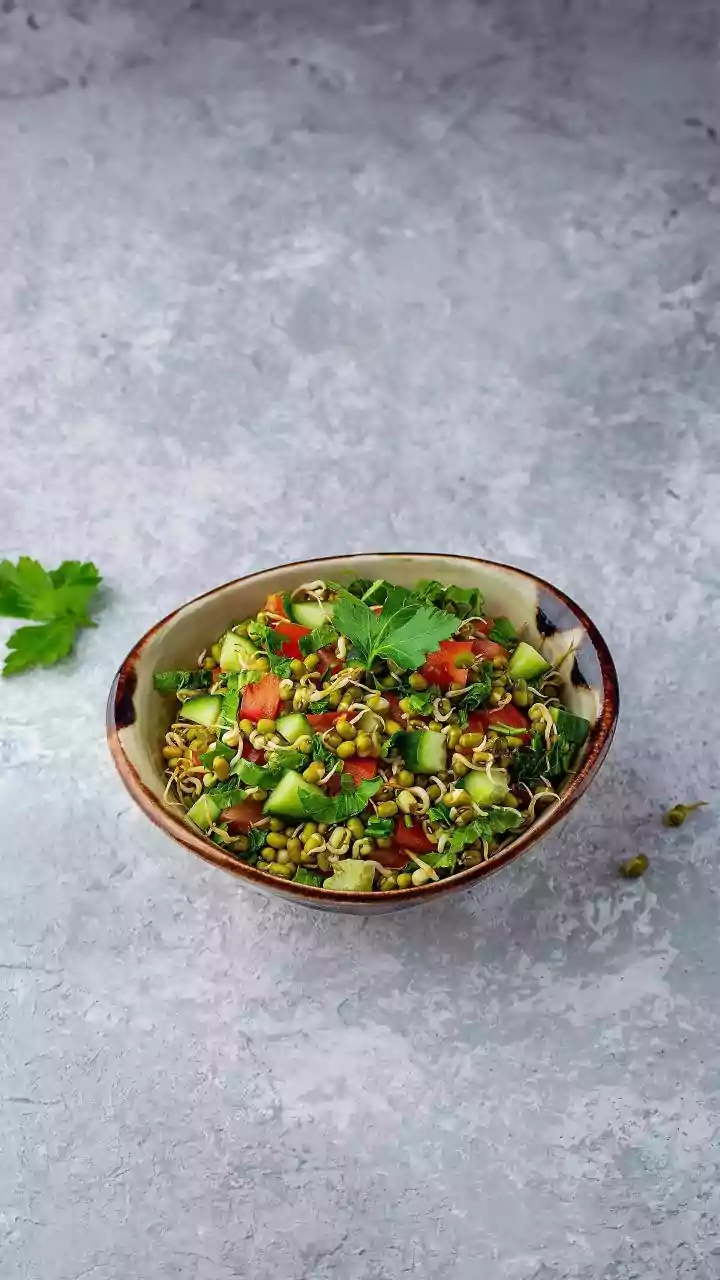
This theatricality shows up in many ways. It’s the smoke from a 'dhungar' technique infusing a dal makhani. It’s the perfect, dramatic pull of cheese from a homemade pizza. It’s arranging a simple salad to look like a piece of art. Social media, with its endless scroll of beautiful food, has turned cooking into a performance. We’re not just feeding our families; we’re creating content, sharing our successes, and turning a daily chore into a moment of creative expression. A dramatic sizzling sound or a beautifully plated dish provides instant gratification that a simple dal and rice just can't match.
The Delicious Contradiction
At first glance, these three desires—spice, ease, and drama—seem to contradict each other. How can something be both easy and dramatic? How can it be both authentic in its spice and quick to prepare? Yet, this is the magic of the modern Indian kitchen. The home cook of today is a master of this balancing act.
They might use a store-bought ginger-garlic paste (ease) to form the base of an exotic Thai curry (spice), which they then serve in a beautiful ceramic bowl, garnished with fresh herbs and a final drizzle of chilli oil (drama). The innovation isn't just in the recipes, but in the process. It's about knowing when to lean on convenience and when to put in the effort for that special touch. This fusion of old and new, fast and slow, simple and spectacular, is what makes home cooking today so incredibly exciting.