






Beyond the Great Walks
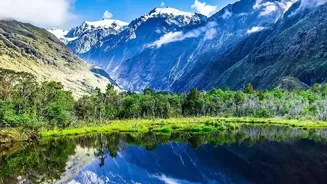
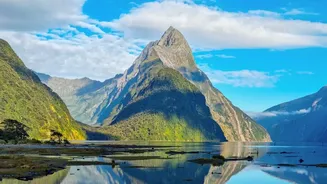
Fiordland is a hiker’s paradise, home to a trio of New Zealand’s ‘Great Walks’: the Milford, Kepler, and Routeburn Tracks. These well-maintained trails are justifiably popular, offering stunning alpine vistas and valley floors. However, for the seasoned
tramper seeking a more profound challenge, the Dusky Track offers a true wilderness experience. This demanding 84-kilometre route connects Lake Hauroko and Lake Manapouri, taking eight to ten days to complete. It’s a formidable undertaking, crossing rugged mountain ranges and muddy valleys punctuated by 21 three-wire bridges. Hikers must be self-sufficient and prepared for rapidly changing conditions, as sections can become impassable after heavy rain. The reward is unparalleled solitude and a raw encounter with Fiordland’s backcountry.
The Southern Fiords' Remote Majesty
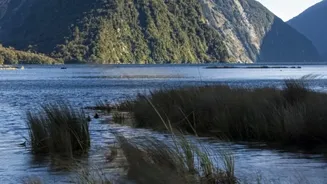
While Milford and Doubtful Sounds attract the most attention, Fiordland’s southern coastline hides even more remote and seldom-visited fiords. Preservation Inlet and the adjacent Chalky Inlet are the country's southernmost fiords, accessible primarily by multi-day expedition vessels or helicopter. This isolation has preserved a unique historical and ecological landscape. Once the site of early whaling stations and a brief gold rush in the 1890s, the area is now a quiet sanctuary where rusting relics from a bygone era lie in the regenerating forest. The journey itself, often spanning several days, is part of the appeal, allowing visitors to disconnect completely. These fiords offer a quieter experience, where the silence is broken only by the sound of waterfalls, birdsong, and the splash of dolphins or seals.
The Deep Lakes of the Interior
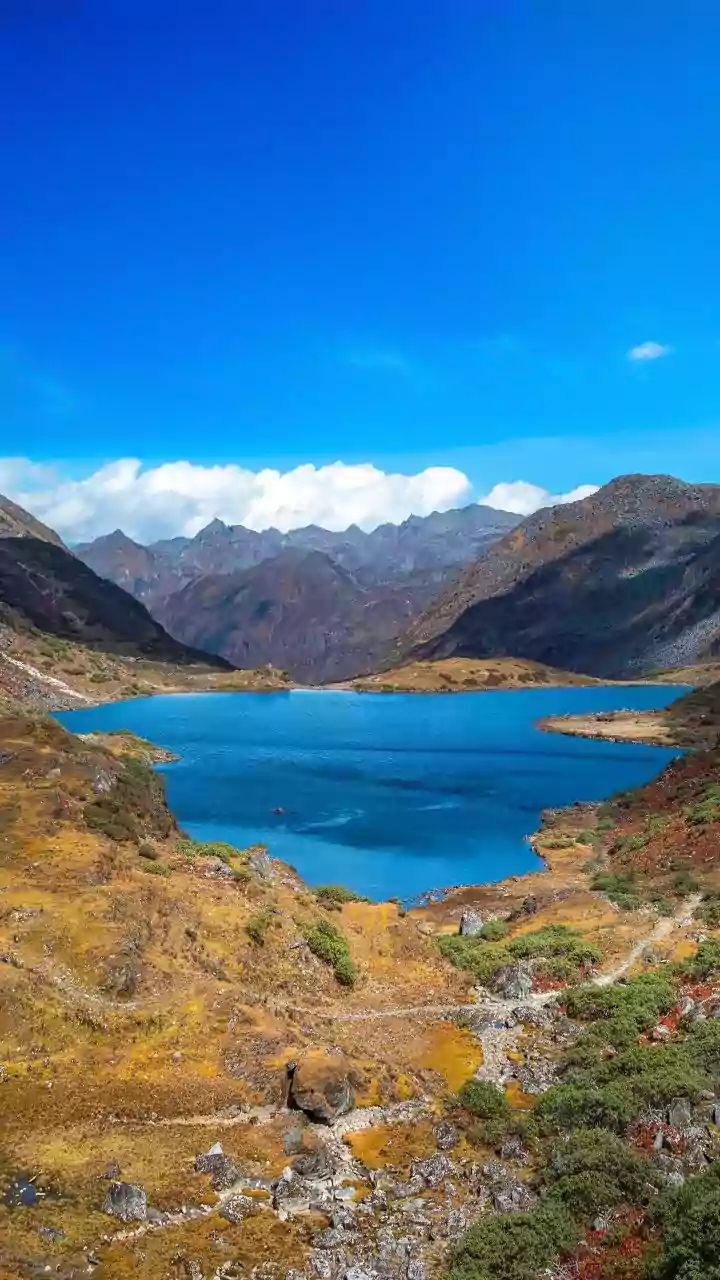
Fiordland's grandeur isn’t confined to its coastline. Inland, vast glacial lakes offer another dimension of exploration. Lake Hauroko, New Zealand's deepest lake at 462 metres, is a prime example. Its name translates to 'the soughing of the wind', a nod to the powerful winds that can sweep its surface. The lake is a gateway for various activities, including fishing, kayaking, and hiking. It also serves as a starting point for the demanding Dusky Track. A short walk from the car park reveals ancient totara trees over 1,000 years old, while a steeper track leads to a lookout with stunning panoramic views. Nearby, Lake Monowai provides another 'off the beaten track' opportunity for boating and tramping in a different, but equally handsome, part of the national park.
Planning for True Wilderness
Venturing into Fiordland’s more remote corners requires careful planning. Access to areas like Lake Hauroko involves driving on unsealed roads, and services are minimal, so arriving with ample fuel and food is essential. For advanced hikes like the Dusky Track, a high level of fitness, experience, and proper equipment are non-negotiable. Because of the rugged terrain and potential for flooding, trampers should carry emergency supplies, extra food, and a personal locator beacon, as there is no mobile phone coverage. Access to the start and end of these remote tracks often requires pre-booked boat or helicopter transport. For those wanting to explore the southern fiords like Preservation Inlet, guided multi-day cruises are the most practical option, offering expert navigation and insight into the area's rich history and wildlife.