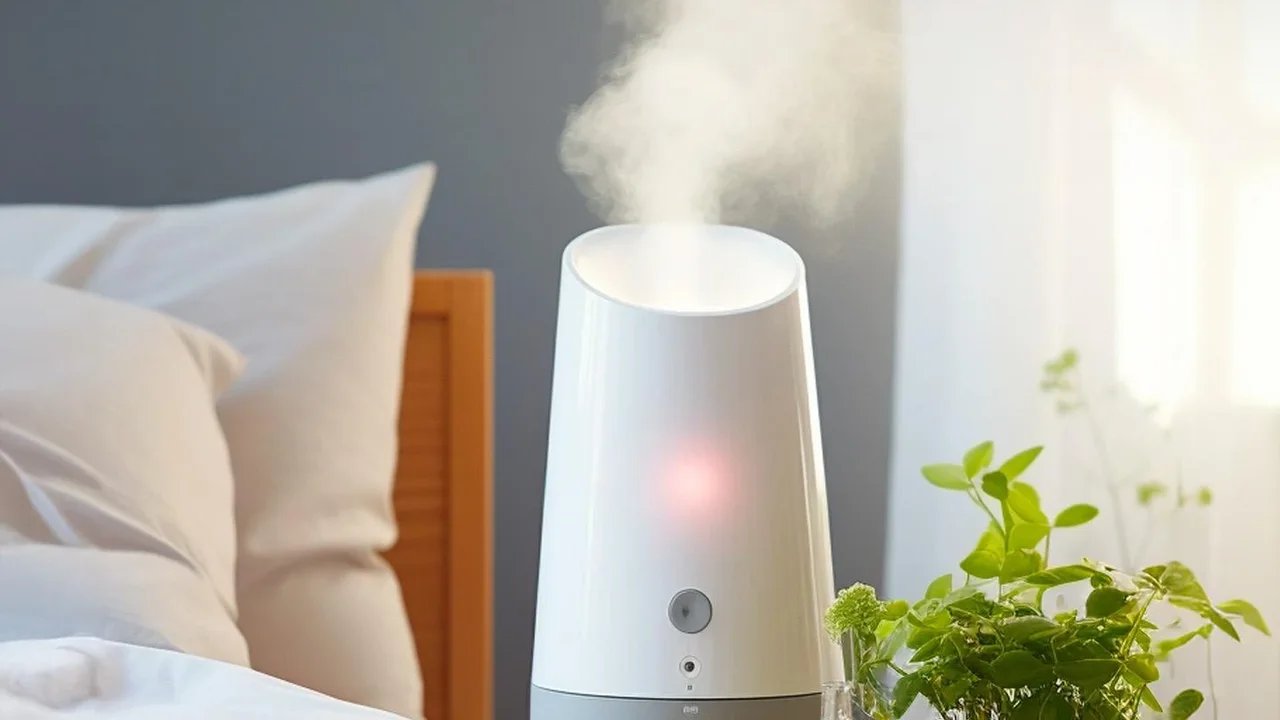







Why Humidity Disrupts Your Sleep
It’s not just the heat; it's the moisture in the air that makes sleeping so difficult. High humidity prevents your sweat from evaporating efficiently, which is one of your body's primary ways of cooling down. This leaves you feeling clammy and overheated,
leading to tossing, turning, and disrupted sleep cycles. An ideal humidity level for sleep is between 40% and 50%. When it creeps above 60%, the air starts to feel heavy and can interfere with your breathing and overall comfort. Thinking about your sleep environment as a complete system—where fabrics and airflow work together—is the first step toward winning the battle against humidity.
Choose Fabrics That Breathe
The materials you sleep on and under are your first line of defense. Synthetic fabrics like polyester are notorious for trapping heat and moisture, creating a personal sauna in your bed. Instead, opt for natural, breathable fibers that excel at moisture management. Linen is a classic choice, known for its hollow fibers and loose weave that allow for constant airflow. It can absorb a significant amount of moisture before feeling damp, keeping you dry. Bamboo is another excellent option, often feeling silky-smooth and outperforming even cotton in its ability to wick moisture away and dry quickly. For cotton lovers, a percale weave is the way to go; its crisp, one-over-one-under structure promotes breathability, unlike denser sateen weaves. These fabrics don't just feel better—they actively help your body regulate its temperature all night long.
Rethink Your Entire Bed Setup
Your sheets are just the start. That heavy duvet you love in winter is working against you in the summer. Swap it for a lighter, lower-tog quilt, or even just a flat sheet. Many people find a lightweight bamboo or linen coverlet provides the perfect amount of coverage without adding suffocating warmth. Also, consider what’s underneath you. Your mattress protector and even the mattress itself can trap heat. Look for protectors made from breathable materials. Finally, don’t forget your pillows. Switching to a pillow made with shredded foam, buckwheat, or other breathable materials can prevent your head from becoming a heat sink and make a surprisingly big difference in your overall comfort.
Master the Art of Airflow
Even without air conditioning, you can dramatically cool your room with smart fan placement and ventilation. The goal is to create consistent air movement. During the day, keep blinds and curtains closed to block the sun's heating effect. In the evening, if the outside air is cooler, open windows on opposite sides of your home to create a cross-breeze. Using fans strategically is key. Instead of just pointing a fan at yourself, try positioning a box fan in your window facing outward to push hot air out of the room. This creates negative pressure that pulls cooler air in from other open windows. An oscillating fan in the corner can also help circulate air, preventing stagnant, humid pockets from forming. For an extra cooling boost, place a shallow bowl of ice in front of your fan; the airflow will pick up the cool moisture as the ice melts, creating a makeshift air conditioner.
Consider a Dehumidifier
If you live in a persistently humid climate, a dehumidifier can be a game-changer for your sleep quality. By pulling excess moisture from the air, these appliances create an environment where your body can cool itself more naturally. This not only helps you feel less sticky but also improves air quality by inhibiting the growth of allergens like dust mites and mold, which thrive in damp conditions. Many modern dehumidifiers have quiet or night modes and can be set to maintain an ideal humidity level, switching on only when needed. Running one for an hour or so before bedtime can prepare your room for a much more comfortable and restful night.