

The Right Rainwear is Non-Negotiable
Staying dry is your top priority. While a rain jacket works, most experienced trekkers in the Ghats swear by a rain poncho. A good poncho is large enough to cover both you and your backpack, offering superior protection and better ventilation than a fitted
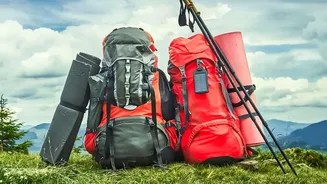
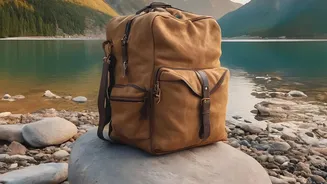
jacket. This prevents the sweaty, stuffy feeling that can come with hours of hiking in a humid climate. Also, ensure your backpack has its own rain cover for a second layer of defence. For protecting items inside, think in layers: line your entire backpack with a large, heavy-duty plastic bag before packing anything.
Rethink Your Footwear Strategy
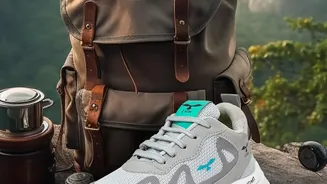
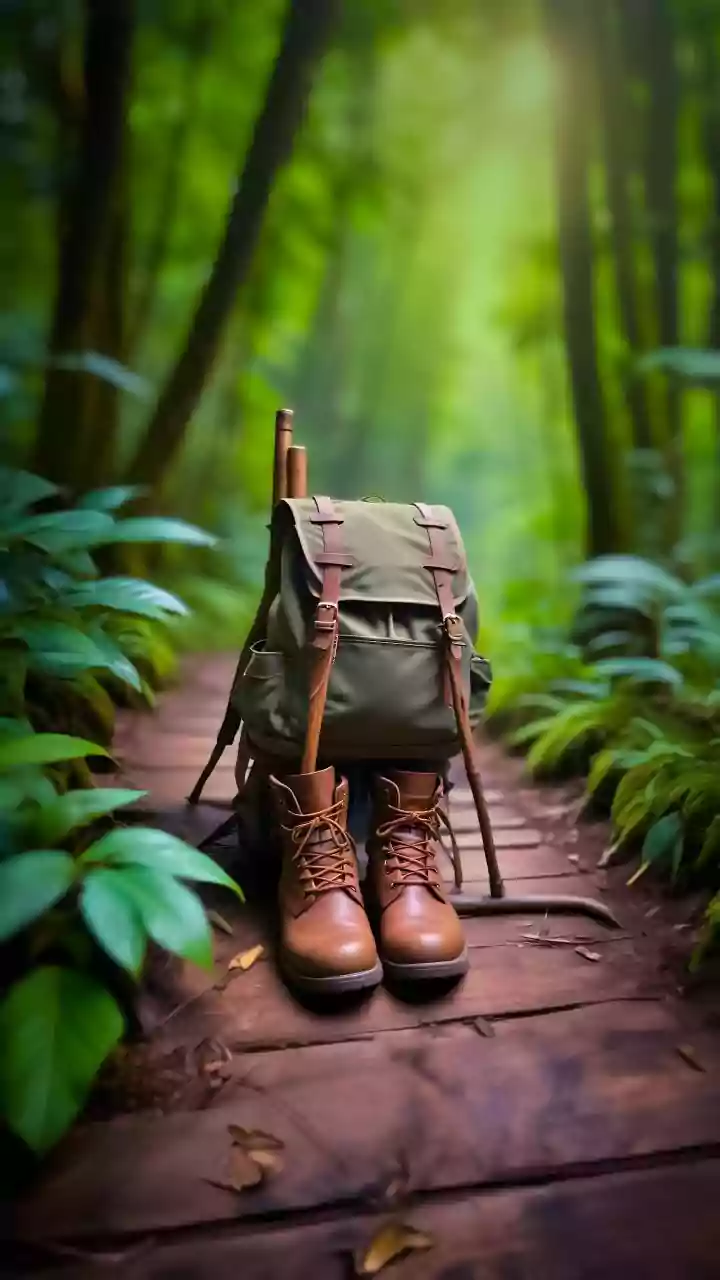
This might sound counterintuitive, but waterproof boots can be a mistake during heavy monsoon treks. Once water gets in over the top—and it will—a waterproof lining traps it inside, leaving your feet waterlogged. Instead, opt for lightweight, quick-drying trekking shoes with excellent grip. The key is to find footwear with soles that drain water and have deep lugs for traction on slippery, moss-covered rocks and muddy trails. Pair these with synthetic, quick-drying socks, and avoid cotton at all costs. Always pack at least two or three extra pairs of socks.
Pack Light, Pack Dry, Pack compartmentalised
Your clothing choices are crucial. Forget cotton and jeans, which absorb moisture, become heavy, and take ages to dry. Your wardrobe should consist of quick-dry synthetic t-shirts and trekking pants. The golden rule is to pack everything in separate plastic bags or waterproof dry sacks before putting them in your main rucksack. Keep at least one complete set of clothes sealed in a dedicated dry bag. This set is your emergency dry layer, to be opened only when you reach your campsite for the night. This discipline ensures you always have something warm and dry to change into, which is vital for comfort and preventing hypothermia.
Essential Gear for Safety and Comfort
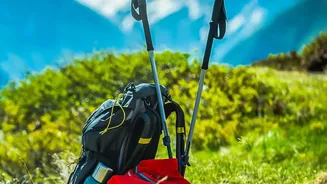
Beyond clothing, a few items are indispensable. A headlamp is crucial, as visibility can drop quickly and you might find yourself on the trail after dusk. Given the humidity, your electronics are vulnerable; a power bank, phone, and any camera gear should be stored in double-sealed ziplock bags or dedicated waterproof pouches. Trekking poles are highly recommended for added stability on slippery descents. A basic first-aid kit containing antiseptic wipes, bandages, blister pads, and any personal medications is non-negotiable.
Dealing with Leeches and Insects
The monsoon brings the forest to life, and that includes leeches and insects. Full-length trekking pants tucked into your socks offer the first line of defence. Many trekkers use anti-leech socks, which are knee-length and made of a fabric that leeches cannot easily bite through. Carrying a small 'leech kit' is a common practice; this might contain salt, a sanitiser, or a lighter to help detach them if they latch on. A good insect repellent is also a must-have to protect against mosquito and other insect bites, especially when you stop for rests or at the campsite.