




Rethink Your Water Source
One of the most significant sources of microplastic ingestion is water. Studies have shown that bottled water can contain substantially more plastic particles than tap water. Switching to tap water is a positive first step. To further reduce your exposure,
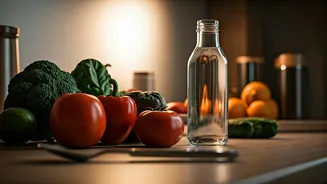
consider investing in a water filter. Reverse osmosis (RO) systems and carbon block filters rated for sub-micron filtration are considered highly effective at removing microplastics from drinking water. Using a reusable stainless steel or glass bottle for water on the go not only cuts down on your exposure but also reduces single-use plastic waste.
Choose Food Containers Wisely
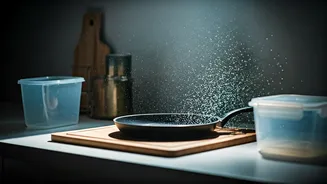
How you store and reheat food plays a crucial role. Plastic containers can leach microplastics and even smaller nanoplastics into your food, and this process accelerates dramatically with heat. Research has shown that microwaving food in a plastic container can release millions of particles. Never microwave food in plastic, even if it's labelled "microwave-safe." Instead, opt for glass, food-grade stainless steel, or ceramic containers for both storing and reheating food. If you get takeout, transfer the food to a non-plastic container for storage and reheating as soon as you get home. Also, consider swapping plastic cutting boards for wood, as knives can shave off tiny plastic fragments into your ingredients.
Be Selective with Seafood and Salt
Microplastics are pervasive in marine environments and can make their way up the food chain. Filter-feeding shellfish like mussels, clams, and oysters can be significant sources because they are often consumed whole, including their digestive tracts where plastics accumulate. While you don't need to eliminate seafood, which offers many nutritional benefits, being mindful of consumption can help. Some experts suggest opting for smaller fish and ensuring larger fish are properly gutted, as most plastics are in the digestive organs which are typically removed. Sea salt is another known source of microplastics. Some studies suggest that rock salt or Himalayan pink salt, mined from ancient seabeds, may contain fewer plastics, while others indicate they too can be contaminated. Lake salts may have the lowest concentrations.
Look Out for Hidden Plastics
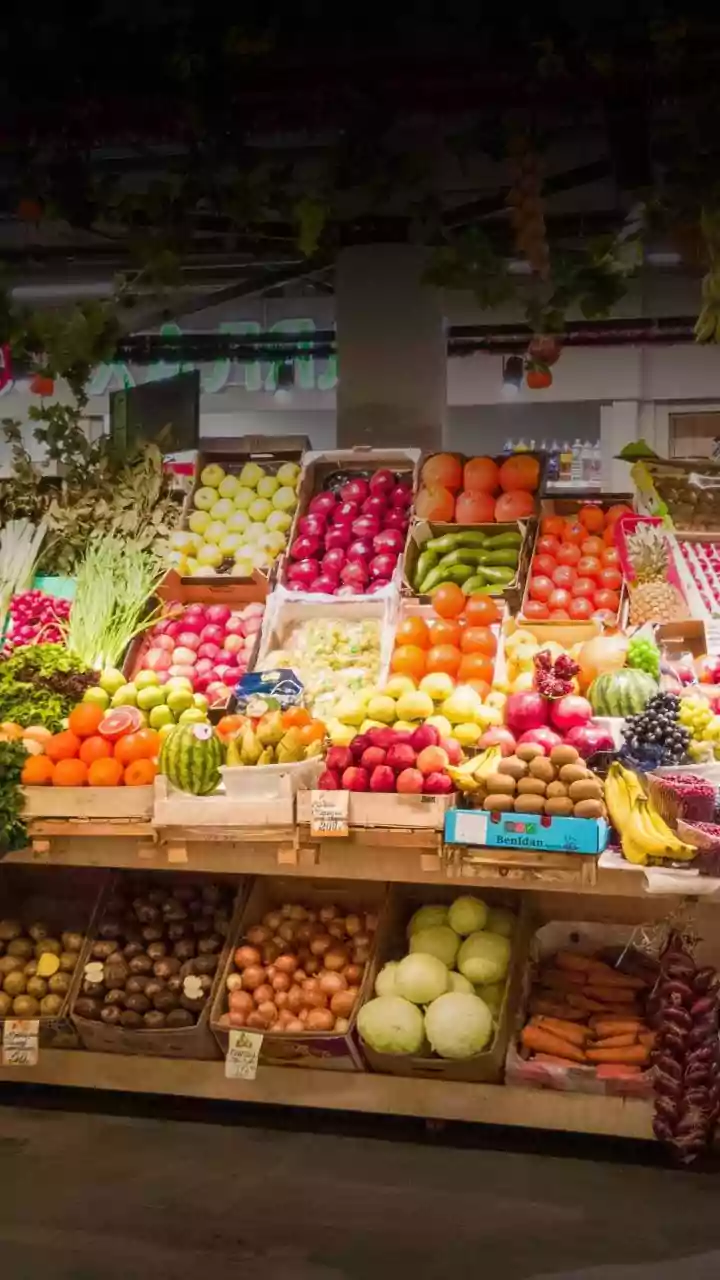
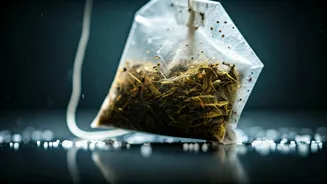
Microplastics can turn up in unexpected places. Many “silky” teabags, for example, are made of nylon or PET plastic, which can release billions of particles when steeped in hot water. Choosing loose-leaf tea with a stainless steel infuser is a simple and effective alternative. Non-stick cookware is another potential source; when scratched or damaged, these coatings can release microplastics into your food. Opting for stainless steel, cast iron, or ceramic cookware is a safer bet. Finally, a significant amount of microplastics in our homes comes from dust, which can settle on food. Thoroughly rinsing fruits and vegetables under filtered water can help remove surface-level contamination.
Reduce Your Overall Plastic Footprint
While focusing on food is important, limiting your overall use of plastic is key to reducing both personal exposure and environmental contamination. Simple habits like using reusable shopping and produce bags, avoiding single-use plastics like straws and cutlery, and choosing products in glass or cardboard packaging over plastic can make a big difference. The more plastic is produced and discarded, the more it breaks down into the tiny particles that find their way back into our soil, water, and food systems. By making more conscious consumer choices, you contribute to a broader solution while simultaneously protecting your health.