






The Calorie Conundrum
A calorie is simply a unit of energy. On a label, it tells you how much energy a food provides. However, it says nothing about how your body will use that energy or the quality of the nutrients that come with it. Think of 100 calories of a sugary drink
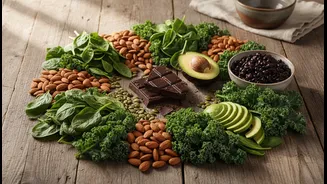
versus 100 calories of almonds. The fizzy drink delivers a quick sugar rush and little else, leaving you hungry again soon. The almonds, however, provide protein, healthy fats, and fibre, which take longer to digest and keep you feeling full. This highlights the crucial difference between calorie density (calories per gram) and nutrient density (vitamins and minerals per calorie). Focusing only on the number ignores the entire story of what you're putting into your body.
The Power of Protein
Protein is often called a building block of the body for good reason. But its power goes beyond just building muscle. It is the most satiating of all macronutrients, meaning it helps you feel fuller for longer. When you eat protein, it triggers the release of gut hormones that signal fullness to your brain, while suppressing the 'hunger hormone' ghrelin. It also has a higher thermic effect of food (TEF), meaning your body uses more energy to digest protein compared to fats and carbohydrates. Including adequate protein in your meals can help stabilise blood sugar levels, reduce cravings, and prevent overeating later.
The Fibre Factor
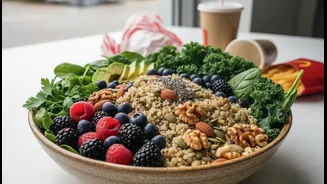
Fibre is the unsung hero of a healthy diet. This indigestible carbohydrate adds bulk to your meals and slows down digestion. This process has two key benefits: it helps you feel physically full and it slows the absorption of sugar into your bloodstream, preventing sharp spikes and crashes in energy. A diet rich in fibre, which is found in fruits, vegetables, legumes, and whole grains, is also crucial for maintaining a healthy gut microbiome. When you combine protein and fibre in a meal, you get a powerful one-two punch for appetite control and sustained energy.
Why Ingredients Matter
The conversation about food quality isn't complete without discussing the 'food matrix' and the degree of processing. The food matrix refers to the physical structure of a food and how its nutrients are naturally packaged. In whole foods, nutrients are encased within cell walls that our bodies have to work to break down. This process slows digestion and can even reduce the total number of calories we absorb. Ultra-processed foods (UPFs), on the other hand, have had their matrix completely destroyed. These industrial formulations are designed for hyper-palatability and long shelf life, often with added sugars, unhealthy fats, and additives. Even if a UPF is fortified with vitamins, its fundamental structure makes it behave very differently in the body compared to a whole food with a similar calorie count.
A Smarter Way to Eat
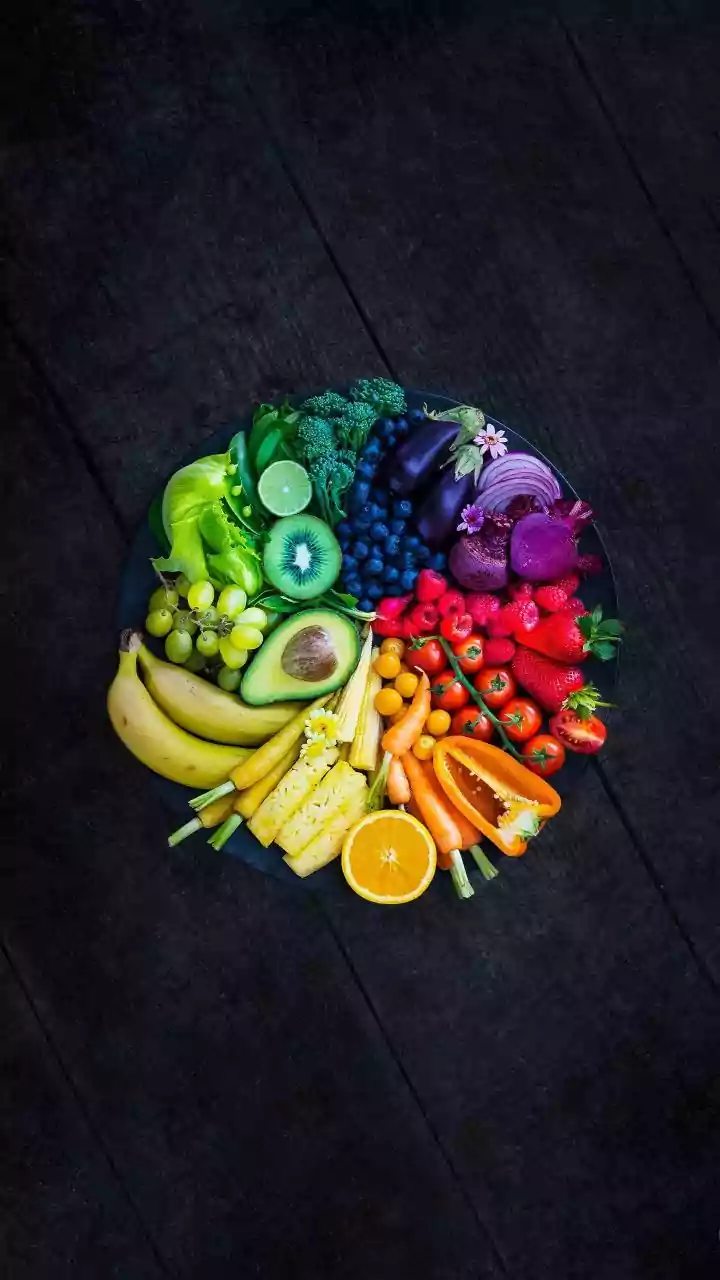
Moving beyond calorie counting doesn’t mean a free-for-all. It means shifting your focus from quantity to quality. Instead of asking "How many calories?", start asking "What's in this?". Prioritise whole and minimally processed foods. Fill your plate with colourful vegetables, lean proteins, and fibre-rich grains and legumes. When looking at a packaged food, scan past the calorie count and read the ingredient list. If it’s short and features recognisable ingredients, you’re likely on the right track. If it reads like a chemistry experiment, it might be best to leave it on the shelf. This approach fosters a healthier relationship with food, centred on nourishment, not just numbers.