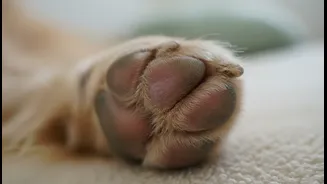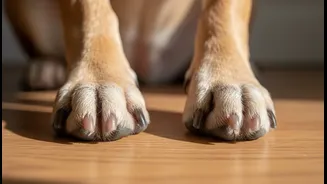

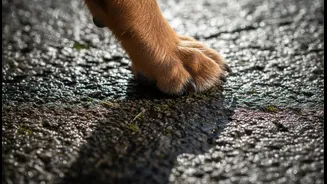
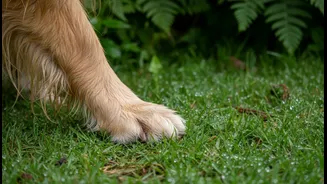
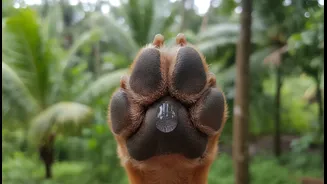


The Look of Normal Paws
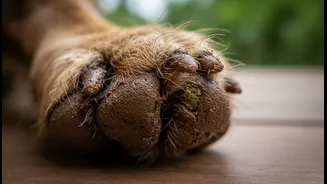
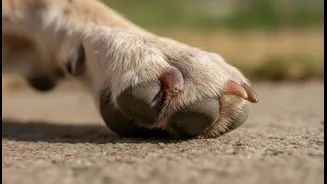
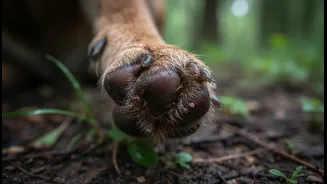
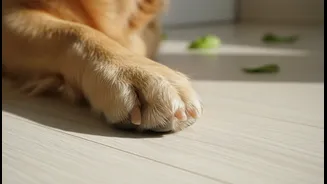
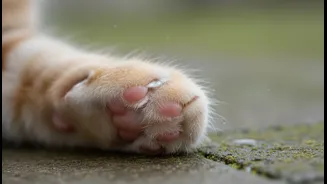
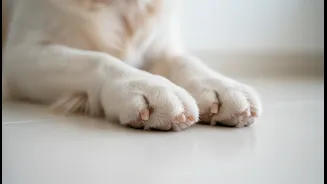
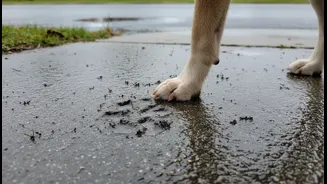
First, let's establish a baseline. A healthy dog's paw pads should be smooth or slightly calloused, depending on their activity level. After a walk in wet grass or a puddle, their paws will be damp, but they should dry relatively quickly. There should be no
persistent odor, discoloration, or signs of irritation. The skin between the toes should be its normal color without any redness or swelling. Some dogs naturally have a faint "corn chip" smell due to normal skin bacteria, which isn't cause for alarm on its own.
Red Flags for a Fungal Infection
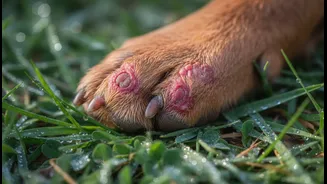
A fungal foot infection, most commonly caused by an overgrowth of yeast called Malassezia, looks and feels very different. The most telling sign is a change in your dog's behavior. If you notice persistent, almost obsessive licking and chewing of the paws, it's a major red flag. This is a primary symptom of the intense itchiness caused by the infection. Visually, you should look for: - Redness and Inflammation: The skin between the toes and on the paw pads will appear red, pink, or inflamed. - Discoloration: The fur around the paws, especially in light-colored dogs, may be stained a reddish-brown color from the saliva due to constant licking. You might also see brownish discharge or discoloration at the base of the nails. - Odor: A distinct musty or foul odor, different from the normal paw smell, often accompanies a yeast infection. - Skin Changes: The skin may become greasy, scaly, or crusty. In chronic cases, the skin can thicken and darken, a condition known as hyperpigmentation. - Swelling and Sensitivity: The paws may be swollen, and your dog might show pain or reluctance when you try to touch their feet. This can sometimes lead to limping.
What Causes These Infections?
Yeast is a normal inhabitant of a dog's skin. An infection occurs when there is an overgrowth, which is usually triggered by an underlying issue. The most common culprit is allergies. Environmental allergies (to pollen, grass, or mold) or food sensitivities can cause skin inflammation that disrupts the skin's natural balance, allowing yeast to multiply. Moisture is another significant factor. Paws that are frequently wet from swimming, walking in damp conditions, or excessive licking create the perfect warm, humid environment for yeast to thrive in the tight spaces between the toes. A compromised immune system can also make a dog more susceptible to these infections.
The Vicious Cycle of Licking
Once an infection starts and the itching begins, dogs instinctively lick the area for relief. However, this only makes the problem worse. The constant moisture from saliva further damages the skin barrier and creates an even more hospitable environment for the fungus, leading to more growth, more itching, and more licking. This self-perpetuating cycle can cause the infection to become more severe and can lead to secondary bacterial infections.
When to See the Veterinarian
While it's helpful to recognize the signs, self-diagnosing your dog's paw condition is not recommended. Many other issues, from bacterial infections and parasites to embedded foreign objects like thorns, can cause similar symptoms. If you notice any of the red flags—especially persistent licking, redness, odor, or changes in the skin's texture—it's time to schedule a veterinary appointment. A professional diagnosis is crucial for effective treatment. Prompt care can prevent the infection from worsening and causing significant pain.
Diagnosis and Treatment
To diagnose a fungal infection, your veterinarian will likely perform a physical exam and may take a skin sample via a scraping or tape impression. By examining the sample under a microscope (a procedure called cytology), they can confirm the presence of excess yeast organisms. Once diagnosed, treatment typically involves a multi-pronged approach. This may include topical treatments like medicated shampoos or wipes to control the yeast on the surface. For more severe or recurrent infections, your vet may prescribe oral antifungal medications. Crucially, your vet will also work to identify and manage the underlying cause, such as allergies, to help prevent the infection from returning.