



Bold, versatile, and undeniably sharp, the undercut hairstyle makes a statement. It’s a cut defined by contrast, pairing shorter sides with a longer top, but its adaptability is its true strength. Here is a complete guide to understanding and perfecting
it.
What Exactly Is an Undercut?
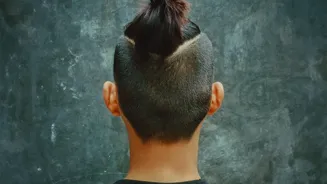
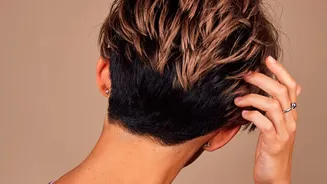
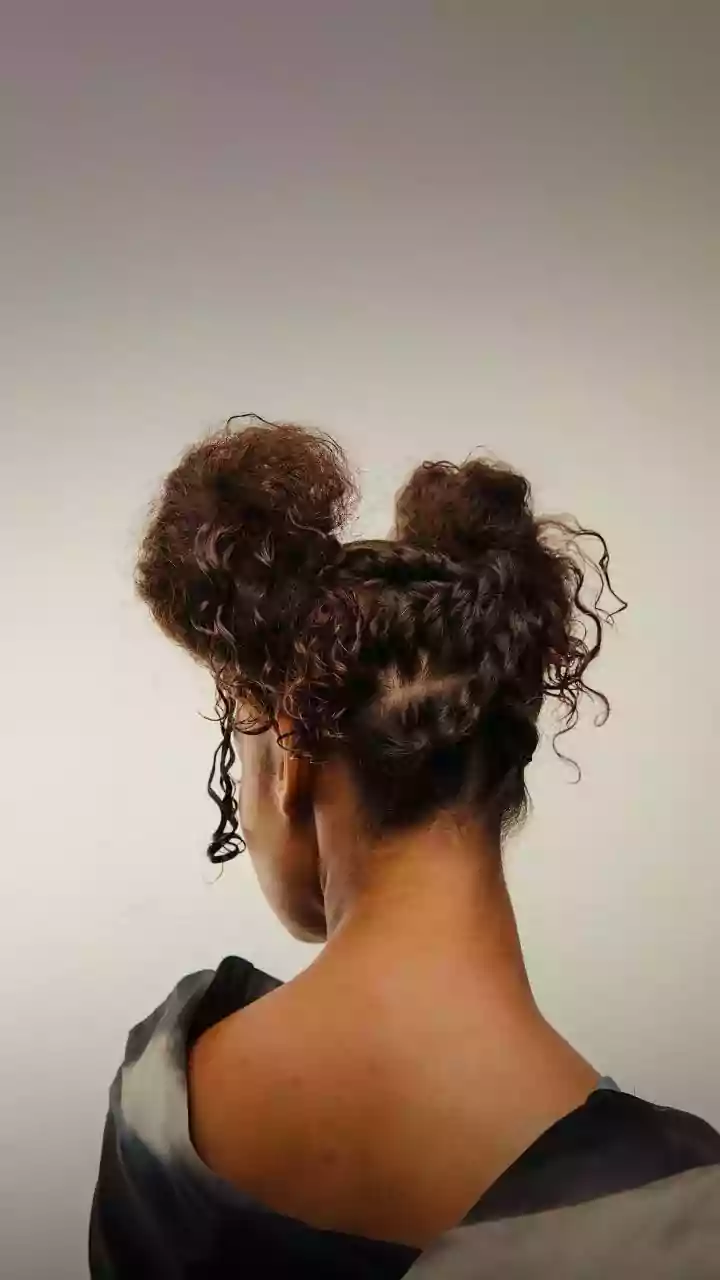
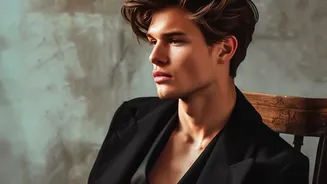
At its core, an undercut is a hairstyle where the hair on the sides and back of the head is cut significantly shorter—often buzzed or clipped—while the hair on top is left much longer. The key feature is the stark contrast and clear 'disconnection' between the two lengths, unlike a fade, which gradually blends them. This high-contrast look draws attention to your facial features and allows for immense styling creativity on top. While it rose to prominence again in the 2010s, its roots trace back to the early 20th century. It can be adapted for nearly any hair type, including straight, wavy, and curly textures.
Popular Variations to Consider
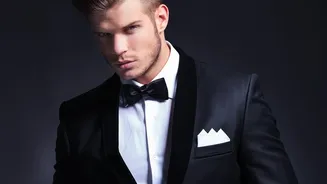
The beauty of the undercut lies in its customisation. A 'disconnected' undercut features a sharp, unblended line between the long top and short sides, creating a dramatic effect. In contrast, a 'faded' undercut uses a gradual taper on the sides, which can range from a low fade to a high, skin-close cut for a modern finish. For those seeking subtlety, a 'nape' undercut involves shaving only the section at the nape of the neck, which can be hidden when hair is down. More adventurous options include adding shaved geometric designs or pairing the cut with styles like a pompadour, quiff, or slick-back on top.
Is an Undercut Right for You?
Almost anyone can wear an undercut, but certain factors can help you find the perfect version. Your face shape is a key consideration; styles with more height on top can help elongate a round face, while softer, side-swept looks can complement a square jawline. Hair texture also plays a role. Thick hair is ideal as the undercut removes bulk, making it lighter and easier to manage. Those with fine hair can still rock the style, often benefiting from a textured top to create the illusion of more volume. Before committing, consult a stylist about the best placement and length for your specific hair type and head shape.
Essential Styling Products
The right product is crucial for controlling the longer top section. For a sleek, shiny, slicked-back look, a water-based pomade is your best bet. If you prefer a natural, textured finish with low shine, opt for a matte clay or fiber paste. For creating volume and a more casual, tousled appearance, a sea salt spray applied to damp hair works wonders. For maximum hold and a more structured style like a pompadour, a strong-hold wax or gel will keep everything in place throughout the day.
A Simple Styling Routine
To get the most out of your undercut, start with damp, towel-dried hair. Apply a pre-styler like a sea salt spray or light cream to give your hair some grip. Using a blow-dryer is key for volume; direct the heat at the roots while lifting your hair up and back with a brush or your fingers. Once dry, take a small amount of your chosen styling product (pomade, clay, or wax), rub it between your palms, and apply it evenly, starting from the roots and working your way to the tips. Shape your hair into your desired style—whether slicked back, pushed to the side, or textured and messy.
Keeping Your Undercut Sharp
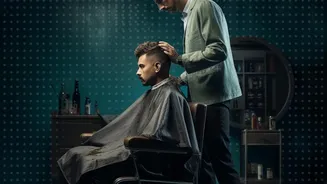
Maintenance is non-negotiable for a crisp undercut. Because the sides are so short, they will appear to grow out quickly. To maintain the sharp contrast, plan to visit your barber or stylist for a touch-up every two to four weeks. If you have an intricate design shaved in, you may need more frequent visits to keep the lines clean. The hair on top can go longer between cuts, typically needing a trim every six to eight weeks. Between appointments, be sure to condition the longer hair to keep it healthy and manageable.