



An Invisible Threat From the Sun
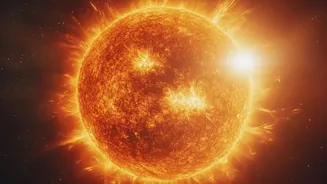
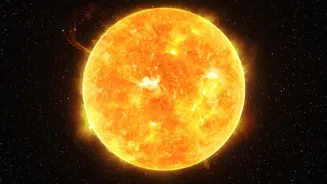
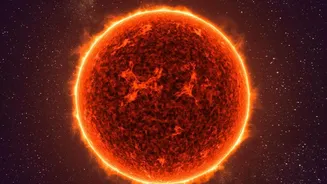
A coronal mass ejection, or CME, is a massive explosion in the sun's atmosphere that hurls enormous clouds of plasma and magnetic fields into space. While Earth's magnetic field protects us on the ground, when these eruptions are aimed at our planet,
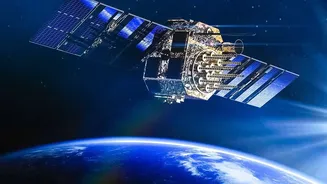
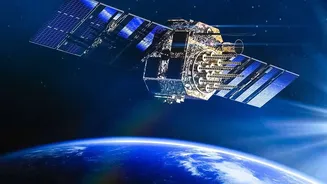
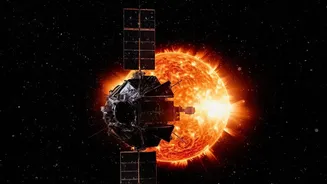
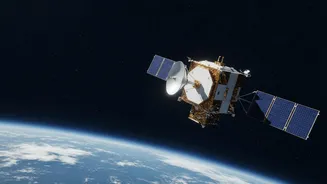
they pose a significant danger to the technology we have in orbit. The primary threat comes from high-energy particles that are accelerated by the CME. These particles can bombard satellites, causing a range of problems from minor glitches to complete system failure. The effects include degradation of solar panels, phantom commands that can make a satellite point in the wrong direction, and internal electrical discharges that can permanently damage sensitive electronics.
The Challenge of Predicting a Solar Storm
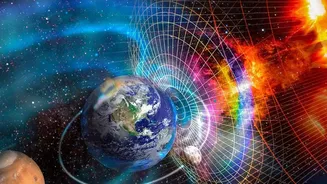
Forecasting the impact of a CME is incredibly complex. It’s not enough to see that an eruption has happened; scientists need to know its speed, trajectory, and, crucially, the orientation of its magnetic field. If the CME’s magnetic field is oriented opposite to Earth’s, it can more easily dump energy and particles into our planet's magnetosphere, triggering a powerful geomagnetic storm. Predicting this has been a major challenge for space weather forecasters. The loss of 38 Starlink satellites in 2022 after a series of moderate solar storms highlighted how difficult it can be to anticipate the atmospheric effects, even from seemingly lesser events.
A Breakthrough in Simulation Technology
This is where new simulation models are changing the game. Advanced tools like EUHFORIA (European Heliospheric Forecasting Information Asset) are providing a more complete picture of how CMEs travel and evolve. Developed by an international team, EUHFORIA uses data from solar observations to run complex magnetohydrodynamic (MHD) simulations. These models can predict the arrival time and impact of a CME with greater accuracy by simulating its journey through the solar wind. Recent advances, such as coupling these models with others that simulate solar energetic particles (SEPs), promise to deliver even more reliable forecasts about the specific radiation hazards a satellite might face.
From Better Forecasts to Safer Satellites
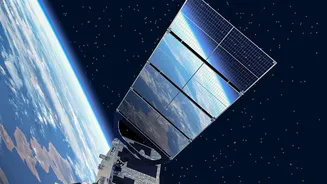
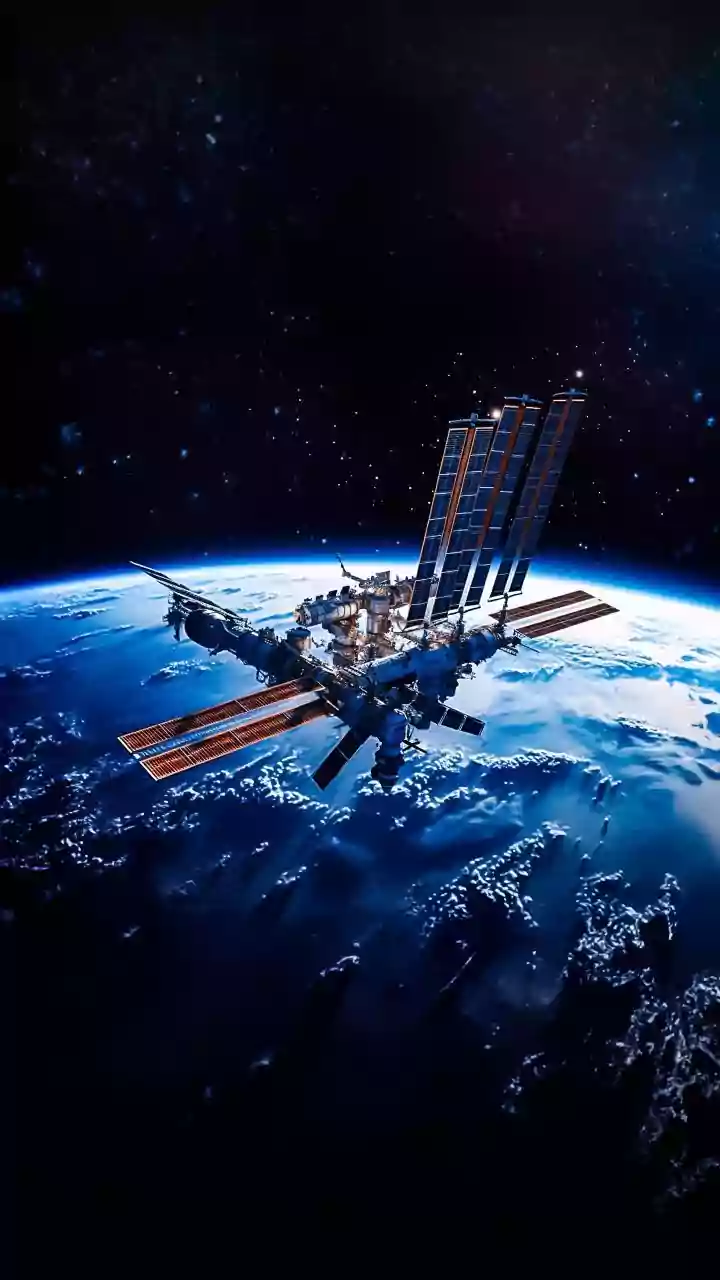
For satellite operators, a more reliable forecast is invaluable. An accurate warning allows them to take protective measures. This can include temporarily shutting down sensitive electronic systems, reorienting the spacecraft to shield critical components, or postponing complex maneuvers until the storm has passed. These actions can mean the difference between a satellite weathering the storm or suffering permanent damage. As we launch more and more satellites for 5G, Earth observation, and navigation services like India's own NavIC system, the ability to protect these expensive assets becomes economically critical.
Why It Matters for Us in India
The stability of our satellite infrastructure has a direct impact on life on the ground. The digital economy, modern banking systems, aviation, and even disaster management increasingly rely on space-based assets. India's Aditya-L1 solar observatory is a key step toward developing our own domestic space weather prediction capabilities. Improved forecasting models are a crucial piece of a global effort to build resilience against solar storms. As our reliance on technology deepens, understanding and preparing for the weather in space is just as important as forecasting it here on Earth.