




The Ancient Superfood: What is Ragi?
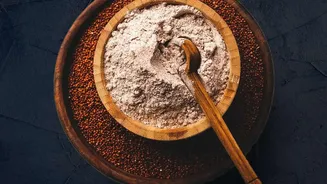
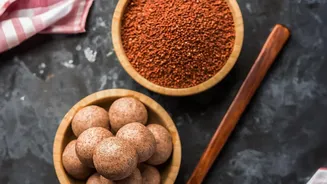
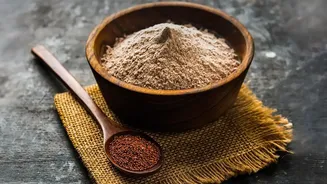
Ragi, also known as finger millet, is a nutrient-dense grain that has been a staple in parts of India for thousands of years. This humble millet is experiencing a resurgence in popularity, and for good reason. It's a nutritional powerhouse, naturally
gluten-free, making it an excellent choice for individuals with celiac disease or gluten sensitivity. Ragi boasts an impressive profile of essential minerals, including being a fantastic plant-based source of calcium, crucial for bone health. It's also rich in iron, which can help combat anaemia, and high in dietary fibre. This high fibre content aids in digestion, promotes a feeling of fullness to support weight management, and helps in the slow release of sugar into the bloodstream, which is beneficial for managing blood sugar levels.
Crafting the Perfect Batter
The heart of a great ragi crepe, or dosa, is its batter. There are two main approaches: the traditional fermented method and a quicker, instant version. The fermented batter often involves soaking whole grains or a mix of ragi flour and urad dal (split black gram) for several hours before grinding and leaving it to ferment overnight. This process develops a deeper, slightly sour flavour reminiscent of traditional dosas and can improve digestibility. For those short on time, an instant batter is just as effective. This typically involves mixing ragi flour with rice flour for crispness, and sometimes a binding agent like curd (yoghurt) or buttermilk. The key to a good instant batter is its consistency; it should be thin and watery, much like the batter for rava dosa, to create a lacy, crisp texture. You can let this instant batter rest for 15-30 minutes before cooking to allow the flours to hydrate properly.
Cooking Crispy Crepes: Tips for Success
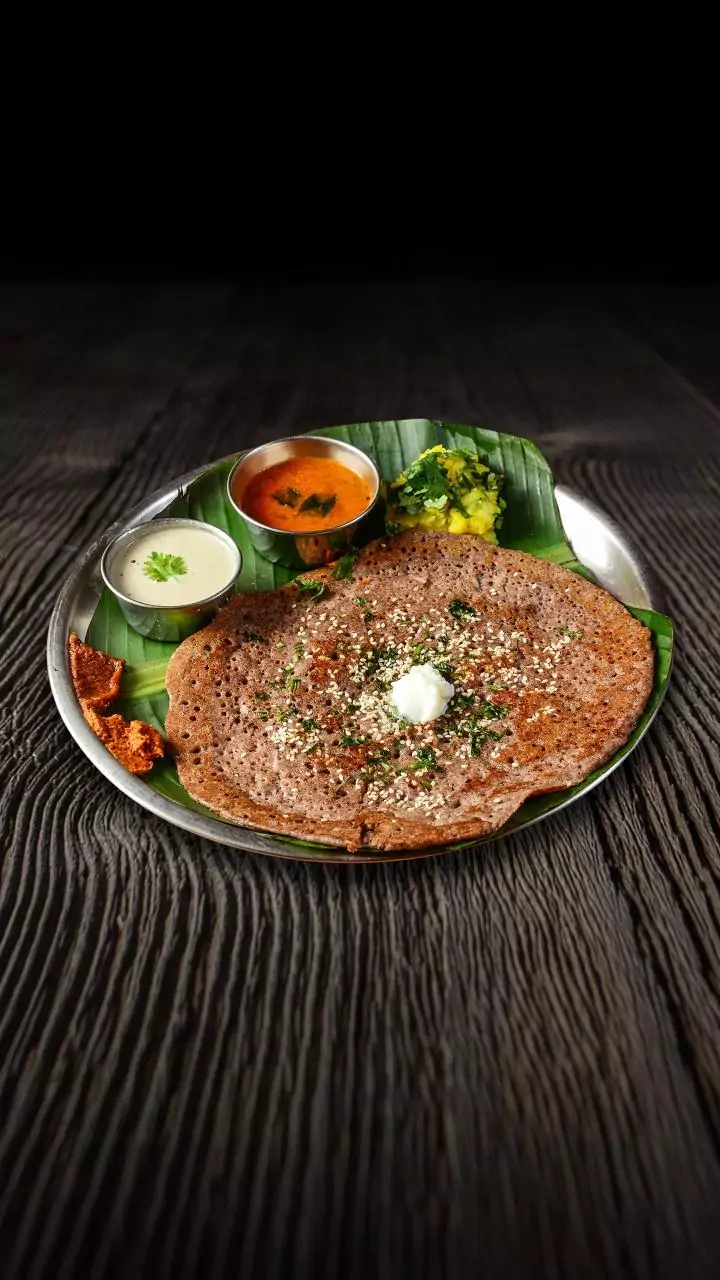
Cooking ragi crepes requires a bit of technique, but it's easy to master. The most important tool is a hot griddle or non-stick tava. Ensure your pan is sufficiently hot before pouring the batter; a sprinkle of water should sizzle and evaporate immediately. For thin, lacy crepes made with an instant batter, pour the batter from the outside of the pan in a circular motion, moving towards the centre. Don't try to spread it with the back of a ladle like a regular dosa. Small gaps are expected and contribute to the crispy texture. For thicker, fermented batters, you can spread it in a gentle circular motion. Drizzle a little oil or ghee around the edges to help it crisp up. The crepe is ready to flip when the edges start to lift away from the pan. Cook for another minute on the other side until golden and cooked through.
Savoury Variations and Serving Ideas
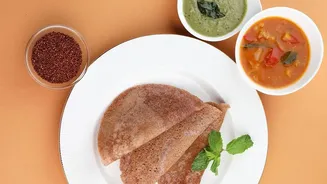
While the basic ragi crepe is delicious on its own, it’s a perfect canvas for savoury flavours. You can easily elevate the batter by mixing in finely chopped onions, green chillies, fresh coriander, curry leaves, and cumin seeds. These additions infuse the crepes with aroma and a mild spice that complements the earthy flavour of the ragi. For an even more substantial meal, add grated vegetables like carrots or finely chopped spinach directly into the batter. Serve these savoury crepes hot off the griddle with classic South Indian accompaniments like coconut chutney, tomato chutney, or a flavourful sambar. They also make a fantastic, healthy snack for any time of the day, not just for breakfast.