
When the Air Quality Index (AQI) in your city hits 'poor' or 'very poor', your first instinct is to stay indoors. But your home may not be the safe haven you think it is. Here’s how to truly clean the air you breathe every day.
The Invisible Intruder: Understanding Poor Air
When we talk about poor
AQI, we're primarily concerned with fine particulate matter, or PM2.5. These are microscopic particles, thirty times smaller than a human hair, that come from vehicle exhaust, industrial emissions, construction dust, and smoke. Because they are so small, they can easily bypass your body’s natural defences, penetrating deep into your lungs and even entering your bloodstream. This is why checking the daily AQI has become a crucial habit for many families. While you can't control the air outside, you have more power than you think to control the air inside.
Your Home's Hidden Entry Points
Simply closing your windows and doors isn't enough. Most homes are not airtight. Outdoor pollutants can infiltrate your living space through a variety of unseen gaps and cracks. Common culprits include worn-out seals around windows and door frames, gaps around electrical outlets and switch plates, unsealed attic hatches, and openings where pipes or wires enter your home. These small leaks collectively act like an open window, constantly allowing polluted outdoor air to seep inside and degrade your indoor air quality.
The First Line of Defence: Seal the Gaps
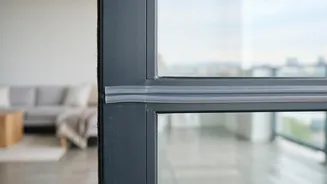
The most effective first step is to reduce the amount of outdoor air getting in. This is known as air sealing. Start by carefully inspecting your home for obvious leaks. You can often feel drafts near windows and doors. Use caulk or weatherstripping to seal these gaps. For larger gaps, expandable foam spray can be a good solution. Pay special attention to the areas where different materials meet, like the frame of a window against a wall. Sealing these entry points creates a physical barrier that significantly cuts down on the number of pollutants that can infiltrate your home.
The Power of High-Efficiency Filtration
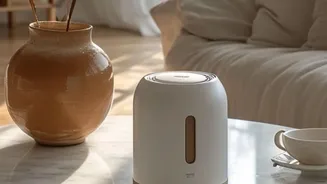
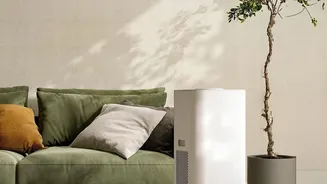
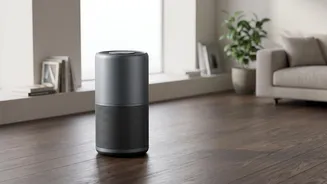
Once you've sealed your home, the next step is to clean the air that's already inside. This is where air purifiers come in. Look for a portable air cleaner with a True HEPA (High-Efficiency Particulate Air) filter. These filters are certified to capture at least 99.97% of airborne particles that are 0.3 microns in size, which is the hardest size to trap. This makes them extremely effective at removing PM2.5, dust, pollen, and pet dander from the air. When buying a purifier, check its Clean Air Delivery Rate (CADR) to ensure it's powerful enough for your room size.
Don't Foul Your Own Nest
Outdoor pollution isn't the only threat. Many daily activities generate indoor pollutants that can build up, especially when windows are sealed shut. Cooking, especially frying or using a gas stove, can release significant amounts of PM2.5 and other gases. Burning incense or candles, using harsh cleaning chemicals, and even some hobbies can also worsen your indoor air. Always use an exhaust fan that vents to the outside when you cook. Opt for low_VOC (Volatile Organic Compound) paints and cleaning supplies, and avoid scented air fresheners, which can release harmful chemicals.
Ventilate Smartly
While sealing your home is crucial on high_pollution days, a completely airtight home can trap indoor_generated pollutants. The key is to ventilate strategically. Keep an eye on the AQI throughout the day. If you notice a period where the air quality improves, even for an hour or two, use that opportunity to open your windows and exchange the stale indoor air for fresher outdoor air. For the rest of the time, rely on your exhaust fans and air purifiers to manage the air quality, ensuring you're removing pollutants without reintroducing them from outside.