





The Science of Getting Stronger
It might feel like the real work happens when you’re lifting, running, or pushing through that final set, but muscle growth actually occurs during periods of rest. Intense exercise creates microscopic tears in your muscle fibres. This is a normal and
necessary part of getting stronger. However, it's during the recovery period that your body gets to work repairing these tears. Cells called fibroblasts mend the damaged tissue, not only healing it but building it back stronger and more resilient than before. This process, known as muscle protein synthesis, is what leads to increased muscle mass and strength. Without adequate rest, you rob your body of the essential time it needs to complete this crucial repair cycle, effectively stalling your progress.
Dodging Burnout and Injury
Continuously pushing your body without a break is a fast track to overtraining syndrome, a condition where your body can no longer keep up with the demands placed upon it. The warning signs can be both physical and mental. You might notice your performance plateaus or even declines, with once-manageable workouts feeling impossibly hard. Other red flags include persistent muscle soreness, nagging aches, a higher-than-usual resting heart rate, and even getting sick more often as your immune system becomes compromised. Mentally, overtraining can manifest as irritability, a lack of motivation, mood swings, and poor sleep quality. Taking regular rest days is your primary defence against these issues, helping to prevent overuse injuries like stress fractures and tendonitis.
A Reset for Your Brain and Hormones
The benefits of rest extend far beyond your muscles. Intense exercise, while beneficial, is a form of stress that elevates the stress hormone cortisol. Chronically high cortisol levels can interfere with muscle growth, disrupt sleep, and hinder recovery. A well-timed rest day helps bring these hormone levels back into balance. It’s also a vital mental break. Stepping away from the gym can reduce mental fatigue, restore motivation, and prevent the psychological burnout that can derail a fitness routine. Many people find that after a day off, they return to their workouts feeling more focused, energised, and mentally sharp.
Finding Your Perfect Rest Rhythm
So, how many rest days do you actually need? There isn't a single answer, as the ideal frequency depends on factors like your fitness level, workout intensity, and overall goals. As a general guideline, most experts suggest taking at least one to two rest days per week. Someone new to exercise might benefit from even more, perhaps three or four days, as their body adapts. A person engaging in high-intensity training several times a week may need more recovery time than someone doing moderate-intensity workouts for shorter durations. The most important rule is to listen to your body. Persistent fatigue, unusual soreness, and a lack of motivation are clear signals that you need to pull back and take a break.
What 'Rest Day' Really Means
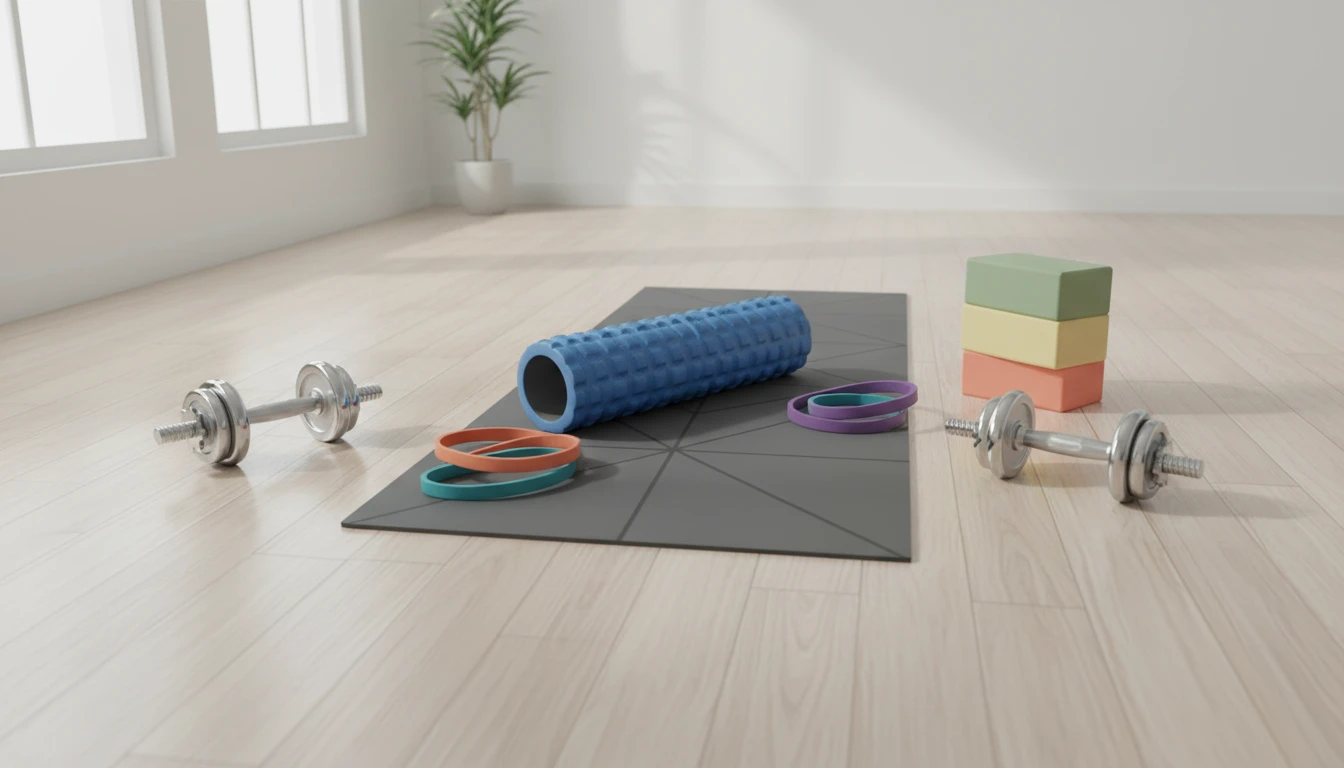
A rest day doesn't have to mean sitting on the couch all day—though that is a perfectly valid option known as passive recovery. Another effective approach is active recovery, which involves light, low-intensity movement. This could include a leisurely walk, gentle yoga, stretching, or foam rolling. The goal of active recovery is to boost blood flow to the muscles without putting them under significant strain. This can help reduce soreness and speed up the removal of metabolic waste products from muscle tissue. Whether you choose active or passive recovery, the most critical component of any rest day is getting adequate sleep—aiming for seven to nine hours is ideal. Sleep is when your body does the majority of its repair work, releasing growth hormone and regenerating cells.